

The Calming Cartridge Guide to Finding Your Zen
How to Choose Anxiety Reducing Weed Vapes
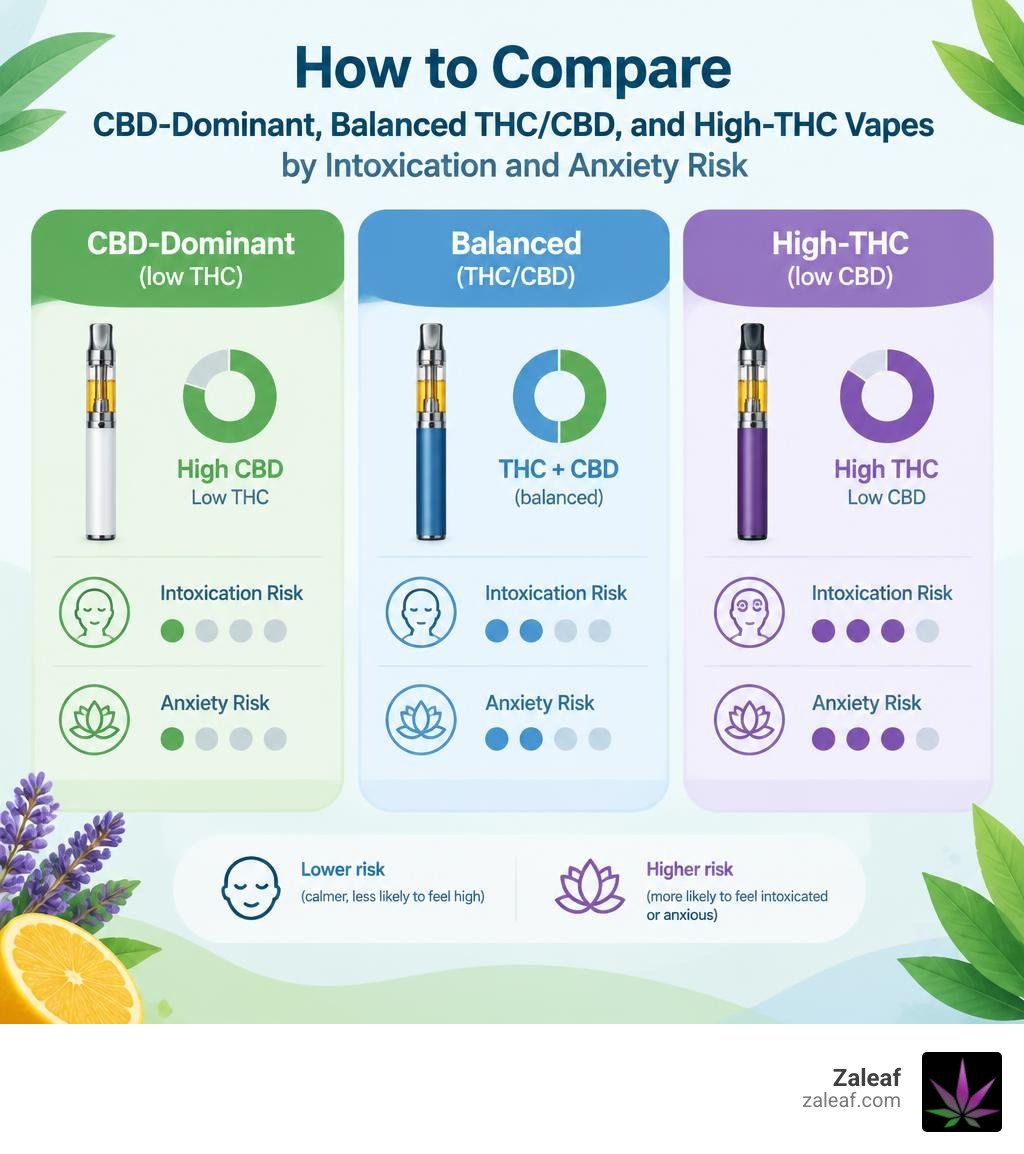
If you are looking for anxiety reducing weed vapes, start with the cannabinoid profile, not the flavor or strain name. A CBD-dominant vape may be less likely to cause intoxication than a high-THC one. A balanced THC/CBD vape may soften some of THC's effects, but it can still cause a racing heart or anxiety. No vape is proven to treat an anxiety disorder, and any product containing THC may lead to a positive drug test.
Many people try cannabis for stress relief, yet short-term calm does not tell us whether it helps anxiety over time. This guide will help you weigh the evidence, risks, and product testing before you choose.
I'm Max Shemesh, owner and CEO of Zaleaf. My experience developing cannabinoid formulations and prioritizing third-party testing shapes this guide to anxiety reducing weed vapes.
Glossary for anxiety reducing weed vapes:
The Science Behind Anxiety Reducing Weed Vapes: Cannabinoids and the Brain
To understand how vaporized cannabis interacts with our nervous system, we have to look directly at the body's endocannabinoid system (ECS). The ECS is a complex cell-signaling network responsible for regulating emotional homeostasis, mood, fear extinction, and stress resilience.
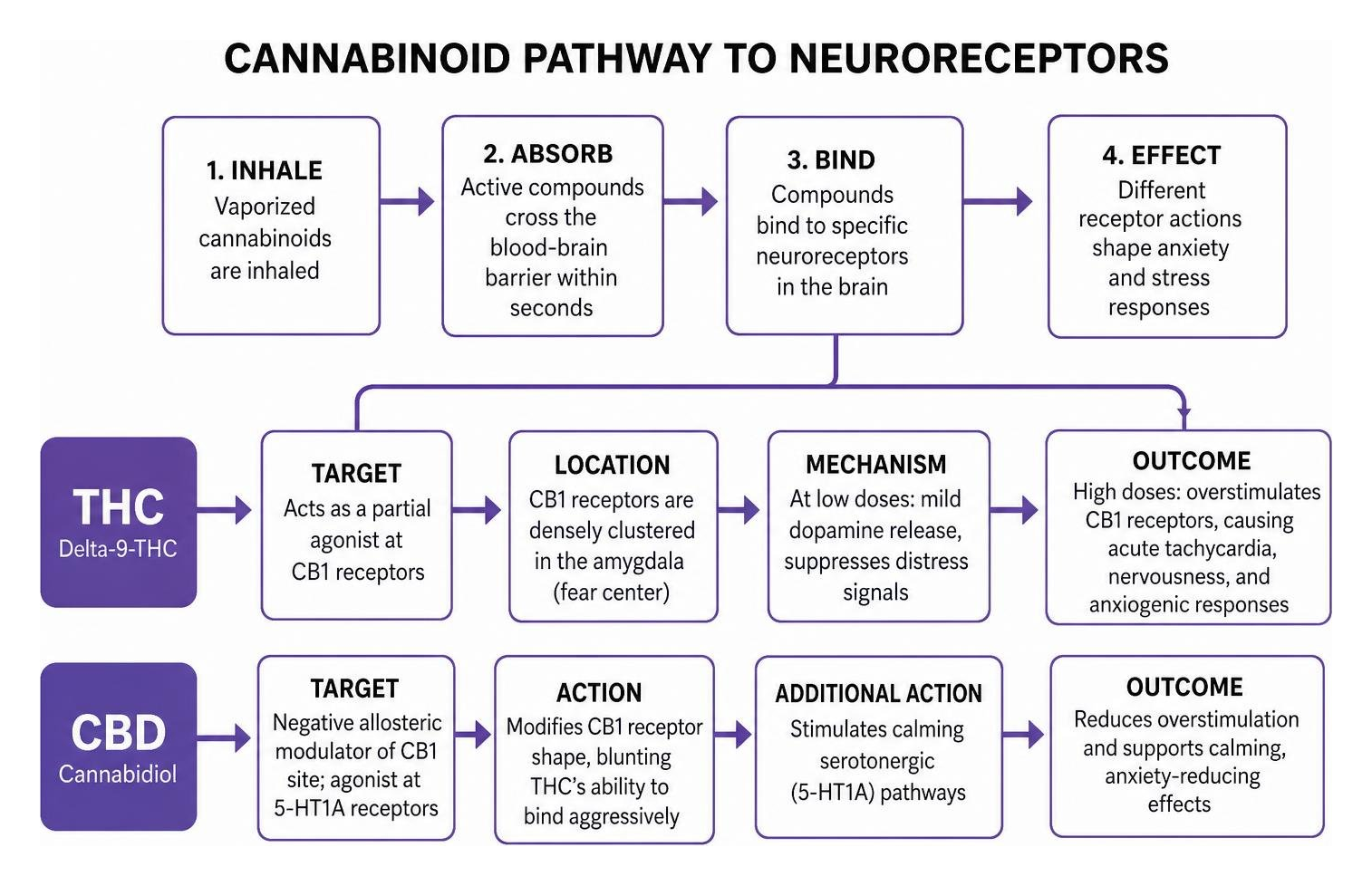
When you inhale vaporized cannabinoids, active compounds cross the blood-brain barrier within seconds, binding to specific neuroreceptors. A thorough scientific review on THC and CBD impact on anxiety highlights that these two primary cannabinoids interact with human neurochemistry in fundamentally contrasting ways (Lichenstein, 2022). Understanding these mechanisms is essential when exploring whether cannabis is good for anxiety or simply a temporary distraction.
THC vs. CBD: How Cannabinoid Ratios Impact Stress
Delta-9-tetrahydrocannabinol (THC) acts as a partial agonist at CB1 receptors, which are densely clustered in the amygdala—the brain's fear and emotional processing center. At low doses, THC can stimulate mild dopamine release and suppress distress signals. However, THC exhibits a sharp biphasic dose-response curve: higher concentrations overstimulate CB1 receptors, frequently triggering acute tachycardia, nervousness, and anxiogenic (anxiety-producing) responses (Gold, 2020).
Cannabidiol (CBD), on the other hand, does not directly activate CB1 receptors in the same way. Instead, it functions as a negative allosteric modulator of the CB1 site and an agonist at 5-HT1A serotonin receptors. This means CBD physically modifies the CB1 receptor shape, blunting THC's ability to bind aggressively while stimulating calming serotonergic pathways.
Choosing full-spectrum vape formulations for stress relief leverages this exact dynamic. Co-administering equal amounts of CBD alongside vaporized THC significantly attenuates the rapid pulse and paranoia that pure THC can induce (Lichenstein, 2022).
Terpenes and the Entourage Effect: The Calming Power of Limonene
Aromatic terpenes provide far more than fresh botanical scent—they play a functional pharmacological role in mood modulation. For years, the cannabis industry discussed the "entourage effect" theoretically, but recent human clinical trials provide definitive evidence.
A breakthrough clinical trial on vaporized limonene mitigating THC paranoia demonstrated that co-administering vaporized d-limonene alongside THC selectively reduced feelings of anxiety, nervousness, and paranoia compared to consuming THC alone (Spindle et al., 2024). Crucially, d-limonene achieved this without reducing THC blood plasma concentrations or diminishing its therapeutic qualities.
Other complementary terpenes include:
- Linalool: The floral terpene found in lavender that modulates glutamate neurotransmission to promote relaxation.
- Myrcene: An earthy compound that enhances cannabinoid permeability and imparts soothing physical sensations.
- Beta-Caryophyllene: A peppery sesquiterpene that binds directly to peripheral CB2 receptors to lower physiological stress.
Opting for enhanced terpene profiles for targeted anxiety relief ensures that delicate aromatics remain intact. Maintaining hardware vaporization temperatures around 200°C to 210°C preserves these volatile compounds without thermal degradation.
Evaluating the Evidence: Do Inhaled Cannabis Vapes Truly Relieve Anxiety?

Scientific scrutiny reveals a nuanced picture when testing vaporized cannabis against acute stress. In a controlled, multimodal study on acute cannabis stress responses, researchers tracked both subjective emotions and objective biological markers.
The findings showed that cannabis intoxication modulates stress biomarkers divergently:
- Neuroendocrine Markers: Inhaled THC provoked an initial drop in salivary cortisol, easing acute stress perception.
- Cardiovascular Arousal: Simultaneously, higher THC doses (40 mg) caused significant heart rate spikes compared to placebo.
- Expectancy Factors: Placebo participants also reported decreases in perceived tension, indicating that the ritual of inhalation carries a strong psychological expectancy effect.
For a deeper dive into these clinical dynamics, our comprehensive guide to cannabis for anxiety explores how biological markers differ from subjective feelings of calm.
Real-Time Symptom Relief vs. Paradoxical Clinical Findings
Observational data from naturalistic settings frequently paints a more positive picture than isolated laboratory trials. A large-scale observational research on inhaled cannabis for acute distress analyzed 2,306 sessions and found that 95.5% of consumption sessions resulted in immediate symptom reduction, with users experiencing an average 3.47-point drop in anxiety on an 11-point visual analog scale (Stith et al., 2020).
Why the disconnect between clinical trials showing THC triggers anxiety and real-world consumers reporting relief?
- Pacing and Self-Titration: Real-world vapers inhale ad libitum (at their own pace), stopping as soon as mild relaxation sets in, whereas clinical trials often administer large, fixed bolus doses.
- Cannabinoid Buffers: Commercial whole-plant extracts retain natural CBD and calming terpenes that buffer against acute panic.
- Tolerance: Regular cannabis consumers develop tolerance to the cardiovascular and anxiogenic side effects that often overwhelm intermittent or first-time consumers (Lichenstein, 2022).
Health Risks, Adolescent Considerations, and Long-Term Consequences
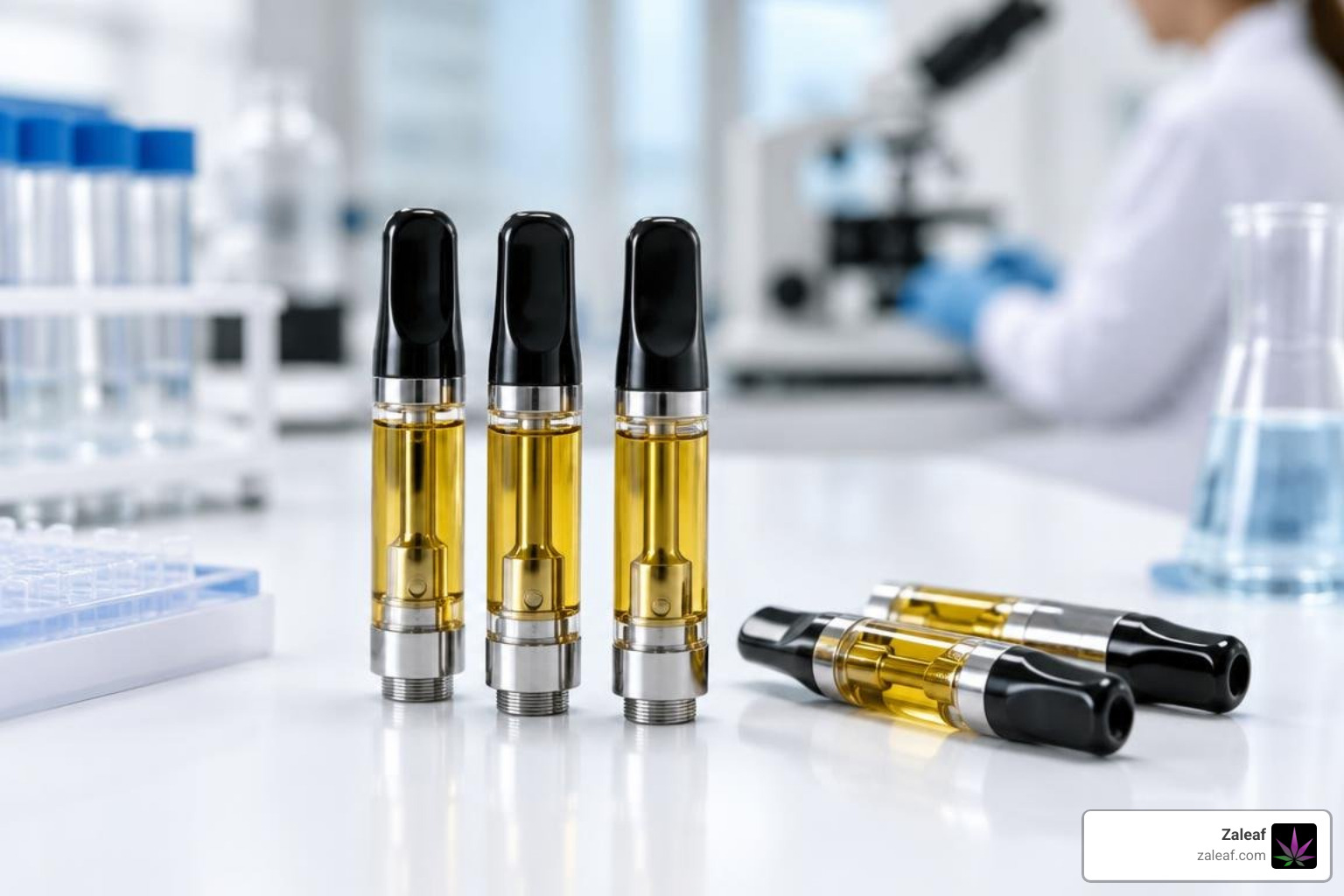
While millions of adults find momentary relief with cannabis vapes, understanding the associated health risks is vital for responsible wellness decisions. Consistent long-term research reveals clear distinctions between adult therapeutic use and vulnerable demographics.
Understanding the Risks for Adolescents and Young Adults
The adolescent brain undergoes critical prefrontal cortex synaptic pruning through approximately age 25. Regular exposure to high-potency THC during this developmental window can disrupt natural endocannabinoid signaling along the amygdala-prefrontal pathway (Gold, 2020).
Large-scale public health surveys, including data from the National Youth Tobacco Survey examining nearly 70,000 adolescents, have uncovered alarming correlations:
- Anxiety Prevalence: 54.5% of youth reporting CBD-only vaping and 45.5% reporting THC-only vaping exhibited clinically significant anxiety symptoms, compared to just 29.4% of non-vapers.
- Self-Medication Paradox: Adolescents who vape CBD are 1.7 times more likely to experience significant anxiety symptoms, frequently turning to vapes to self-medicate underlying, unaddressed distress.
- Addiction Vulnerability: Approximately 1 in 10 adult cannabis consumers develops a cannabis use disorder, but that figure climbs to 1 in 6 among those who begin regular use before age 18.
Reviewing safety and selection standards in the 2026 anxiety pen guide helps consumers identify clean hardware and maintain strict age-appropriate boundaries.
Physical and Respiratory Safety: Harm Reduction in Vaping
Respiratory safety depends heavily on cartridge purity and extraction methods. A medical overview on vaping CBD safety and quality considerations highlights critical manufacturing standards:
- Eliminate Harmful Cutting Agents: Pure extracts should never contain vitamin E acetate, PEG, or MCT oil, which have been historically linked to lipid-induced lung inflammation.
- Heavy Metal Screening: Quality cartridges utilize medical-grade ceramic or glass heating elements to prevent lead, cadmium, or nickel leaching into the vapor.
- Third-Party Certificates of Analysis (COA): Independent lab verification ensures the product is free from residual solvents, harmful pesticides, and microbial impurities while confirming accurate cannabinoid potency.
Selecting the Ideal Profile: Ratios, Strains, and Hardware
Finding the right cartridge requires matching specific cannabinoid ratios to your personal tolerance and anxiety triggers.
| Formulation Profile | Cannabinoid Ratio | Psychoactive Intensity | Primary Anxiety Use Case |
|---|---|---|---|
| CBD-Dominant | 20:1 to 10:1 CBD:THC | None to Minimal | Daytime focus, physical tension, non-intoxicating calm |
| Balanced (1:1) | 1:1 CBD:THC | Mild, manageable | Situational social stress, mild evening unwind |
| THC-Dominant with Terpenes | 4:1+ THC:CBD (High Limonene/Myrcene) | Moderate to High | Nighttime decompression, acute distress in tolerant adults |
To tailor your experience further, explore the top cannabis strains for soothing anxiety based on terpene richness.
Choosing the Best Formulations for Anxiety-Reducing Weed Vapes
To minimize adverse reactions, look for:
- Full-Spectrum or Live Resin Extracts: These preserve natural minor cannabinoids and delicate monoterpenes like limonene and linalool that naturally buffer against panic.
- Variable-Voltage Batteries: Run your battery at low heat (2.4V to 2.8V) to smoothly vaporize terpenes without charring the oil.
- Microdosing Precision: Take one small 2-second draw and wait 10 to 15 minutes to evaluate your nervous system's response before taking another.
Evidence-Based Alternatives and Healthy Coping Strategies
Cannabinoids represent only one possible tool in a broader stress-resilience toolkit. Integrating non-pharmacological, evidence-based practices builds sustainable long-term mental health:
- Cognitive Behavioral Therapy (CBT): The gold-standard clinical intervention for identifying cognitive distortions, reframing catastrophizing thoughts, and developing proactive behavioral coping mechanisms.
- Physiological Sigh Breathwork: Taking two quick nasal inhalations followed by a long, slow oral exhalation immediately activates the parasympathetic nervous system, lowering acute heart rate within seconds.
- Mindfulness Meditation: Daily 10-minute mindfulness practices strengthen prefrontal regulatory control over the amygdala, reducing baseline stress reactivity over time.
- Aerobic Exercise: Engaging in 30 minutes of moderate cardiovascular movement stimulates endogenous anandamide production—your body's own natural endocannabinoid bliss molecule.
- Sleep Architecture Optimization: Maintaining consistent sleep-wake cycles and limiting screen exposure before bed stabilizes cortisol rhythms and enhances emotional resilience.
Frequently Asked Questions About Anxiety Vapes
Are Anxiety Reducing Weed Vapes Safe for Daily Stress Management?
Relying exclusively on daily cannabis vaping for emotional regulation carries risks of tolerance development and psychological habituation. Over time, your body may downregulate natural CB1 receptor sensitivity, requiring higher doses to achieve the same calming sensation (Gold, 2020). For sustainable wellness, practice periodic cannabinoid cycling, keep dosages low, and consult a qualified healthcare professional regarding chronic anxiety disorders.
What Is the Best CBD to THC Ratio for Calming Anxiety?
For most individuals prone to nervousness, a balanced 1:1 CBD-to-THC ratio or a CBD-dominant formula (such as 10:1 or 20:1) offers the most reliable relief (Lichenstein, 2022). The presence of CBD tempers THC-induced heart rate acceleration and CB1 overstimulation, providing a smooth, grounded experience.
Why Can High-THC Weed Vapes Sometimes Trigger Panic or Paranoia?
High doses of vaporized THC aggressively bind to CB1 receptors within the amygdala, hyper-activating fear circuits and elevating heart rate (Gold, 2020). In the absence of buffering terpenes like d-limonene or balancing CBD, this sudden cardiovascular spike can be misinterpreted by the brain as an impending panic attack (Spindle et al., 2024).
Conclusion
Finding genuine tranquility through cannabis requires an informed, conscious approach. While real-world evidence confirms that carefully formulated, terpene-rich vaporizers can provide fast, short-term relief from situational tension (Stith et al., 2020), high-dose isolated THC can easily backfire without proper botanical buffers.
At Zaleaf, we specialize in 100% legal cannabis products engineered with enhanced cannabinoid and terpene profiles specifically tailored for mood-specific relaxation. Every formulation undergoes rigorous 3rd party testing to verify absolute purity, potency, and safety—with fast shipping, discrete packaging, and no ID or medical card required.
To continue discovering evidence-based guides, mindful consumption routines, and cannabinoid science, explore the latest wellness and cannabis insights on our blog.
References
Lichenstein SD. "THC, CBD, and Anxiety: A review of recent findings on the anxiolytic and anxiogenic effects of cannabis' primary cannabinoids.." Current addiction reports, 2022. PMCID PMC10722902. Gold M. "Medicinal Marijuana, Stress, Anxiety, and Depression: Primum non nocere.." Missouri medicine, 2020. PMCID PMC7723145. Spindle TR, Zamarripa CA, Russo E, Pollak L, Bigelow G, Ward AM, Tompson B, Sempio C, Shokati T, Klawitter J, Christians U, Vandrey R. "Vaporized D-limonene selectively mitigates the acute anxiogenic effects of Δ9-tetrahydrocannabinol in healthy adults who intermittently use cannabis.." Drug and alcohol dependence, 2024. PMID 38498958. Stith SS, Li X, Diviant JP, Brockelman FC, Keeling KS, Hall B, Vigil JM. "The effectiveness of inhaled Cannabis flower for the treatment of agitation/irritability, anxiety, and common stress.." Journal of cannabis research, 2020. PMCID PMC7819324.