

The Great Debate: Is Cannabis Truly Good for Anxiety and Depression?

Why Cannabis and Anxiety Are at the Center of a National Conversation
Is cannabis good for anxiety? The answer is complex. While cannabis may offer temporary relief for some, it can worsen anxiety for others. The difference often comes down to dosage, cannabinoid ratios, and individual biology.
Quick Answer:
- CBD (cannabidiol) appears to reduce anxiety at all tested doses and is generally considered safer.
- THC (tetrahydrocannabinol) can decrease anxiety at low doses but increase it at high doses.
- Cannabis is not a cure and should not replace professional treatment or therapy.
- Individual factors like age, mental health history, and medication use significantly affect safety.
- Starting with high-CBD, low-THC products and consulting a healthcare provider is strongly recommended.
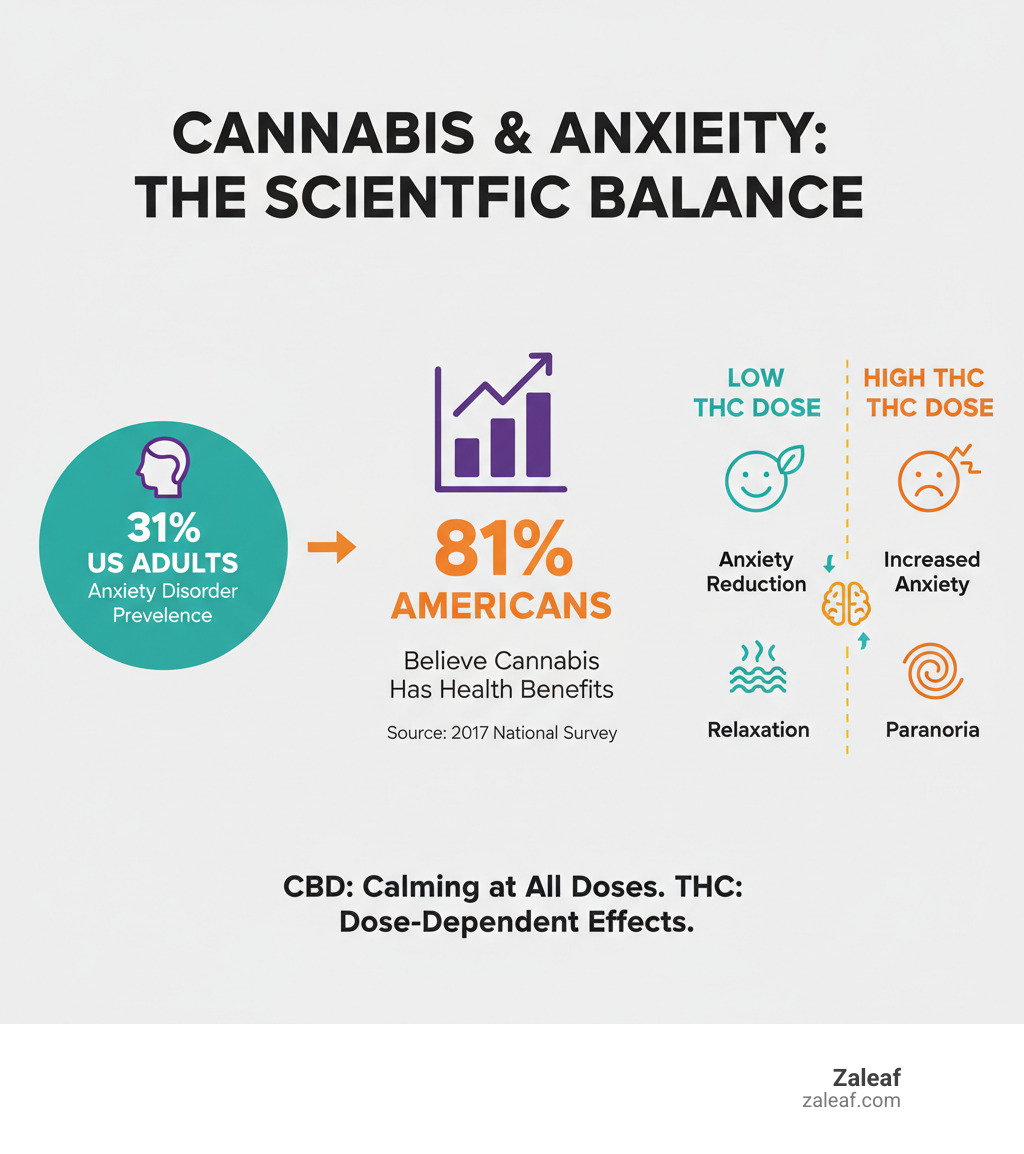
A 2017 national survey found that 81% of Americans believe cannabis has health benefits, with nearly half citing anxiety and stress relief. At the same time, anxiety disorders affect 31% of the U.S. population, yet less than half receive treatment. This gap has led many to explore cannabis as an alternative.
However, while many users report feeling calmer, clinical research is more nuanced. The type of cannabis matters enormously. Modern strains can contain 20-30% THC—more than double the average from a decade ago—and this potency can trigger the anxiety it's meant to relieve. Meanwhile, CBD has shown consistent promise in reducing anxiety without the psychoactive risks of high-THC products.
This guide covers the science, safety, and product selection for using cannabis for anxiety. As Max Shemesh, CEO of Zaleaf, I'm committed to providing transparent, third-party tested products and honest education. My goal is to help you make an informed decision based on evidence, not hype.
The Science Behind Cannabis and Anxiety: THC vs. CBD
To understand how cannabis affects anxiety, we need to look at the endocannabinoid system (ECS). The ECS is your body's master regulator, working to keep things like mood, stress, sleep, and pain in balance. This network has two main receptor types: CB1 and CB2 receptors. CB1 receptors are mostly in the brain and central nervous system, influencing how you think and feel. CB2 receptors are primarily in the immune system. The active compounds in cannabis, called cannabinoids, interact with these receptors, mimicking your body's natural compounds and altering how you feel.
The Double-Edged Sword: How THC Affects Anxiety
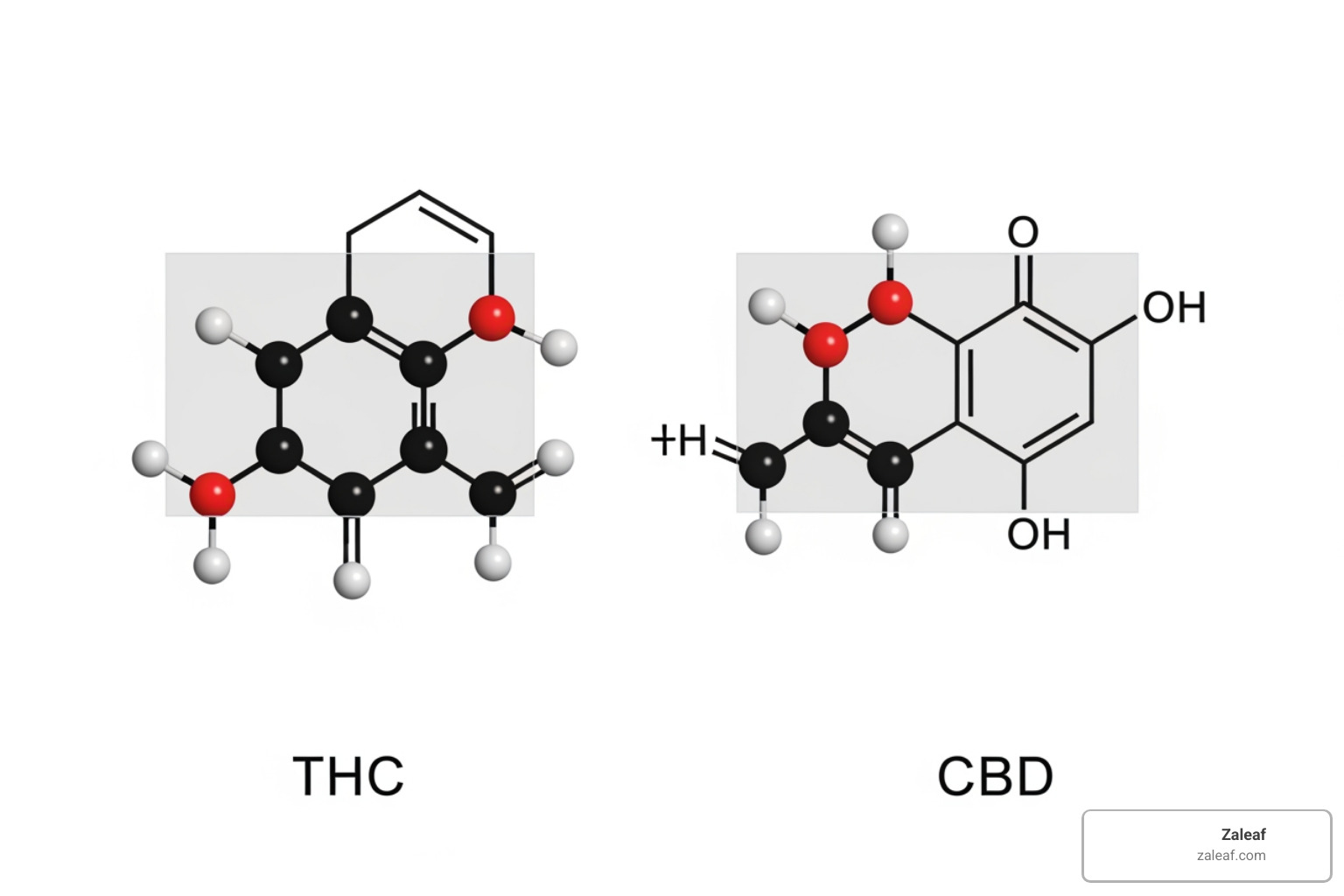
Delta-9-tetrahydrocannabinol (THC) is the cannabinoid known for causing a "high." It binds to CB1 receptors in the brain, which is why many people feel relaxed, leading them to ask, is cannabis good for anxiety?
However, THC has a "biphasic dose-response," meaning low and high doses can have opposite effects. At lower doses, THC may reduce stress. For example, one study found that 7.5 mg of THC helped people feel less stressed. But that same study showed a slightly higher dose of 12.5 mg increased anxiety. Higher amounts of THC are often linked to anxiety, a racing heart, and paranoia. This is a significant concern today, as modern cannabis strains with 20-30% THC make it easy to accidentally take too much. You can learn more in our article, How THC Shapes the Cannabis Experience: A Deep Dive. For more on dosing, check out this research on evidence that low-dose THC can relieve stress.
CBD: The Calming Cannabinoid?
Unlike THC, cannabidiol (CBD) is non-psychoactive and won't make you feel high. It works with the ECS in a gentler way, and its effects on anxiety are more predictable and positive. Research suggests CBD reduces anxiety at all doses tested, offering relief without the intoxicating effects of THC.
A 2015 review found CBD could be a helpful treatment for anxiety, especially social anxiety. Many Zaleaf customers report that CBD-rich products help calm the overwhelming feelings tied to social anxiety disorder. CBD has also shown promise for easing symptoms of Post-Traumatic Stress Disorder (PTSD), like flashbacks and irritability. If you're asking is cannabis good for anxiety but want to avoid a "high," CBD is worth exploring. Dive deeper into its benefits by reading CBD Oil, Your Guide to Its Potential Health Advantages.
The Entourage Effect: Terpenes and Cannabinoid Ratios
The cannabis plant contains over a hundred cannabinoids and other compounds like terpenes. Terpenes create the plant's distinct smells and flavors, but they also work with cannabinoids to alter the effects of cannabis. This synergy is known as the "entourage effect."
One important terpene is d-limonene, found in citrus and many cannabis strains. A recent study in the Journal of Drug and Alcohol Dependence found that d-limonene can reduce THC-induced anxiety. Researchers noted that when d-limonene was used with THC, people felt significantly less "anxious/nervous" and "paranoid." This shows that certain terpene combinations can make THC more pleasant. You can read more about this recent study on d-limonene's effects.
Understanding the entourage effect highlights why cannabinoid and terpene ratios are so important. For anxiety relief, products with a high CBD to low THC ratio and calming terpenes are often a good starting point. At Zaleaf, we focus on enhancing these natural profiles to create products for specific moods. Find more about how these compounds work together in The Full Spectrum Story: What You Need to Know About Hemp's Powerhouse Compounds.
Is Cannabis Good for Anxiety? Weighing the Pros and Cons
When people ask is cannabis good for anxiety, the answer involves balancing temporary relief against potential risks. What works for one person might worsen symptoms for another, depending on biology, product type, and usage.
While many individuals use cannabis for anxiety, clinical research tells a more cautionary story. A systematic review on cannabinoids for mental disorders found no benefit for anxiety or depression and noted it could worsen outcomes for those with existing mental health struggles. This contrast between user experience and scientific evidence is why the question is so complex.
Potential Benefits: Short-Term Relief and Anecdotal Evidence
Despite mixed research, millions feel cannabis helps their anxiety. A 2017 national survey showed nearly half of respondents cited anxiety and stress relief as a potential benefit. Many users report an increased sense of calm, improved relaxation, and better sleep. For those with specific anxiety disorders, some find meaningful temporary symptom management. This might mean attending a social event, experiencing fewer PTSD flashbacks, or reducing the frequency of panic attacks.
In one study of medical marijuana users, 37.8% used it for anxiety relief and 55.1% to improve relaxation. Another study found 58.1% of medical cannabis users in Washington State used it for anxiety and felt it improved their symptoms. These numbers reflect real people finding relief, fueling the conversation around cannabis and anxiety. Our article on Cannabis for Wellness: Exploring Its Role in Relaxation, Pain, and Stress explores these applications further.
The Risks and Side Effects of Using Cannabis for Anxiety
On the other side of the scale are the risks. Cannabis can create or worsen anxiety, particularly with high-THC products or frequent use.
The most immediate risk is that high doses of THC can trigger paranoia, racing thoughts, and an increased heart rate, turning an attempt to find calm into a distressing experience.
The long-term picture is also concerning. The comprehensive review mentioned above found that cannabis use was associated with an increased risk for the onset of a psychotic or mental health disorder. Another meta-analysis found positive associations between anxiety and both cannabis use and cannabis use disorders. While reductions in cannabis use are associated with improvements in anxiety, depression, and sleep, initial use can be detrimental.
Cognitive impairment is another concern, especially for younger users. Regular use can negatively impact memory, focus, and thought patterns. Then there's Cannabis Use Disorder. Dependence is a real risk, with signs including cravings, increased tolerance, difficulty stopping use, and experiencing withdrawal symptoms like restlessness or anxiety. Some find themselves in a cycle of using cannabis to cope, only to feel addicted. For more on potential adverse effects, see The Unwanted Trip: Common Side Effects of Cannabis Edibles.
The bottom line is that while cannabis might provide temporary relief, it's not a one-size-fits-all solution. The risks are real and must be weighed carefully against any potential benefits.
Who Should Be Cautious? Important Safety Considerations
When considering if cannabis is good for anxiety, individual biology, health conditions, and medications play a massive role in its safety and effectiveness. Certain people face serious risks, particularly with high-THC products. Consulting a healthcare professional before trying cannabis for anxiety is essential for making an informed decision based on your personal health profile.
High-Risk Groups: Who Should Avoid Cannabis?
For some, the dangers of cannabis outweigh any possible benefits. If you fall into one of these categories, we strongly recommend avoiding cannabis, especially products high in THC.
Adolescents and young adults are particularly vulnerable. The brain develops until around age 25, and cannabis use can interfere with this process, impacting memory, attention, and cognitive function. Since most mental disorders begin before age 25, this is a risky time to experiment with substances that affect brain chemistry. Adolescent use also increases the risk of dependence later in life.
Pregnant and breastfeeding individuals should avoid cannabis. Research links cannabis use during pregnancy to an increased risk of low birth weight. Cannabis compounds can also transfer to a baby through breast milk, potentially affecting their developing brain. For more information, you can review studies on cannabis use during pregnancy.
If you have a personal or family history of psychosis or schizophrenia, high-THC cannabis can be dangerous, as it's linked to an increased risk of psychotic episodes. Similarly, if you have bipolar disorder, cannabis can trigger manic or depressive episodes. Anyone with diagnosed psychiatric disorders should approach cannabis with extreme caution, as it could worsen symptoms.
Navigating Cannabis Use with Other Medications
Cannabis is a pharmacologically active substance that can interact with other medications, reducing their effectiveness or causing unexpected side effects.
Psychiatric medications like benzodiazepines and SSRIs are particularly prone to interactions. Cannabis can interfere with how your body metabolizes these drugs, leading to increased side effects or reduced benefits. It can also interact with blood thinners, seizure medications, and other prescription drugs. An open conversation with your healthcare provider is crucial to avoid dangerous interactions. The Canadian Task Force recommendations on cannabis use with mood disorders provide valuable guidance.
Consumption Methods: Is Vaping or Smoking Safer for Anxiety?
How you consume cannabis is as important as what you consume. Smoking and vaping deliver THC rapidly, which can be problematic for anxiety. When THC hits your system all at once, it's easier to consume too much and trigger anxiety instead of relieving it. Furthermore, smoking irritates the lungs, and the CDC has linked vaping to potentially life-threatening lung injuries. You can read more at the CDC's page on vaping linked to lung injuries.
Edibles, tinctures, and capsules offer a different approach. They take longer to kick in (30 minutes to 2 hours), but this slower onset is beneficial for managing anxiety. It allows for more careful dose control and reduces the risk of accidentally overconsuming and triggering panic. These methods also bypass the respiratory risks of inhalation. For those interested in edibles, our guide Sweet Relief: Comparing Anxiety Gummies for Calmness offers detailed information. If you're still curious about vapes, Finding Peace: The Role of Vape Pens in Managing Anxiety provides a balanced perspective.
A Practical Guide to Using Cannabis for Anxiety Safely
If you and your healthcare professional decide to explore cannabis for anxiety, a cautious, informed approach is essential. Our goal at Zaleaf is to empower you to make safe and effective choices.
Choosing the Right Product
Navigating the wide array of cannabis products is easier with a few key principles for anxiety relief:
- Prioritize CBD-dominant or CBD-only products: For beginners, products with high CBD and low (or no) THC are the safest starting point, offering anxiety-reducing benefits without THC's psychoactive risks.
- Consider cannabinoid and terpene profiles: The "entourage effect" means terpenes can alter cannabinoid effects. Look for products with calming terpenes like linalool or myrcene. At Zaleaf, we improve these profiles for mood-specific effects.
- Indica vs. Sativa vs. Hybrid: While generalizations, Indica strains are often associated with relaxing effects. Sativas are more energizing but can sometimes worsen anxiety. Hybrids offer a balance. Explore more in Beyond the Buzz: What Sativa, Indica, and Hybrid Vape Pens Really Do.
"Start Low and Go Slow": A Dosing Guide
This is the most critical advice for using cannabis for anxiety, especially with THC.
- Microdosing is key: Begin with the lowest possible dose, such as 1 to 2.5 milligrams of THC.
- Be patient: Edibles and tinctures have a delayed onset. Wait at least 1-2 hours before considering another dose to avoid accidental overconsumption.
- Gradual increase: If needed, increase your dose in small increments (e.g., another 1-2.5 mg) during subsequent uses.
- Listen to your body: The goal is relief, not intoxication. If you feel increased anxiety or discomfort, you've likely taken too much.
For more guidance, see the Canadian Centre on Substance Use and Addiction's practical guide to assessing your cannabis use and our guide, Dose Like a Pro: Mastering THC Gummies Dosage for Beginners.
Legal and Purchasing Considerations
The evolving legal landscape makes informed purchasing essential.
- Understand local laws: Cannabis legality varies by state. Hemp-derived products like CBD and some forms of Delta 8 THC often operate under different regulations from the 2018 Farm Bill. Learn more in The Legal Landscape of Delta 8 THC Products.
- Choose reputable sources: Always purchase from trusted, licensed dispensaries or reputable online retailers like Zaleaf. We offer 100% legal cannabis products with fast, discreet shipping, with no ID or medical card required for our compliant offerings.
- Demand third-party lab testing: Reputable companies provide a Certificate of Analysis (COA) from an independent lab. This report verifies cannabinoid content and confirms the product is free of contaminants. This transparency is crucial for your safety. Zaleaf is committed to this, as explained in Beyond the Label: The Essential Guide to Third-Party Lab Testing.
Frequently Asked Questions about Cannabis and Anxiety
It’s natural to have questions when exploring how cannabis might fit into your wellness journey. Let's clear up some common doubts.
Can cannabis cure anxiety permanently?
No, cannabis is not a permanent cure for anxiety. Think of it as a temporary tool for symptom management, not a magic bullet. It doesn't address the root causes of anxiety disorders. Lasting change typically involves therapy, lifestyle choices, and sometimes, traditional medications. Cannabis can be a supportive tool, but it's not a standalone solution.
Is it better to use CBD or THC for anxiety?
For managing anxiety, CBD is generally the safer and more consistently helpful option. It can reduce anxiety at all tested doses without causing a "high," avoiding the potential for increased anxiety or paranoia that can come with THC.
If you are curious about THC, choose products with a high CBD-to-THC ratio and always start with very low doses. For beginners or anyone prone to anxiety, CBD-only products are the recommended starting point to explore calming benefits without psychoactive effects.
Can I become addicted to using cannabis for my anxiety?
Yes, it is possible to develop a dependence on cannabis, known as Cannabis Use Disorder (CUD). This is a real risk, especially with frequent or heavy use.
Signs of CUD include strong cravings, increased tolerance (needing more for the same effect), difficulty cutting down, and spending excessive time on cannabis-related activities. Continuing to use despite negative consequences in your life or experiencing withdrawal symptoms (irritability, anxiety, sleep issues) when you stop are also red flags. If this sounds familiar, please reach out to a healthcare professional.
Conclusion
So, is cannabis good for anxiety? The answer is complex. Cannabis is not a cure-all, but a tool that requires careful understanding and a personalized approach.
The key is understanding the interplay of THC and CBD, the importance of dosing, and your body's unique response. While high-THC products can increase anxiety, CBD generally offers a more consistent, calming experience. The "entourage effect," where terpenes like d-limonene can shape your experience, is also a crucial factor.
Your journey with cannabis for anxiety is personal. It requires you to be an informed, cautious explorer. This means understanding THC:CBD ratios, practicing the "start low and go slow" approach to dosing, and considering your individual health profile. We urge caution for high-risk groups, including young adults, expectant mothers, or anyone on other medications.
Our mission at Zaleaf is to empower you to make informed decisions. We are committed to safety and transparency, ensuring all our products undergo rigorous third-party testing so you can feel confident in your choices.
If you're ready to explore further, we invite you to find our curated selection of wellness-focused cannabis products. Each is designed with carefully considered cannabinoid and terpene profiles to help you find an option that aligns with your needs. Explore our wellness-focused cannabis products to learn more about finding the right option for you.