

Target Anxiety Naturally Using Terpene Enhanced Vape Formulas
How to Choose a Terpene-Enhanced Vape for Calm
For enhanced terpene anxiety relief, look for a third-party-tested vape that lists its cannabinoids and terpenes. A CBD-forward formula with little or no THC may be a better starting point if THC makes you feel uneasy. Limonene, linalool, and beta-caryophyllene are worth looking for, but a terpene label alone cannot tell you how a vape will affect you.
The evidence is promising but narrow: in one controlled study, vaporized d-limonene reduced anxiety caused by THC. That does not show that terpene vapes treat anxiety disorders. THC can worsen anxiety, and even products sold for relaxation may pose a drug-test risk if they contain THC.
I'm Max Shemesh, owner and CEO of Zaleaf. My experience developing third-party-tested, mood-focused cannabinoid formulas guides how I assess enhanced terpene anxiety relief and the vape profiles covered next.
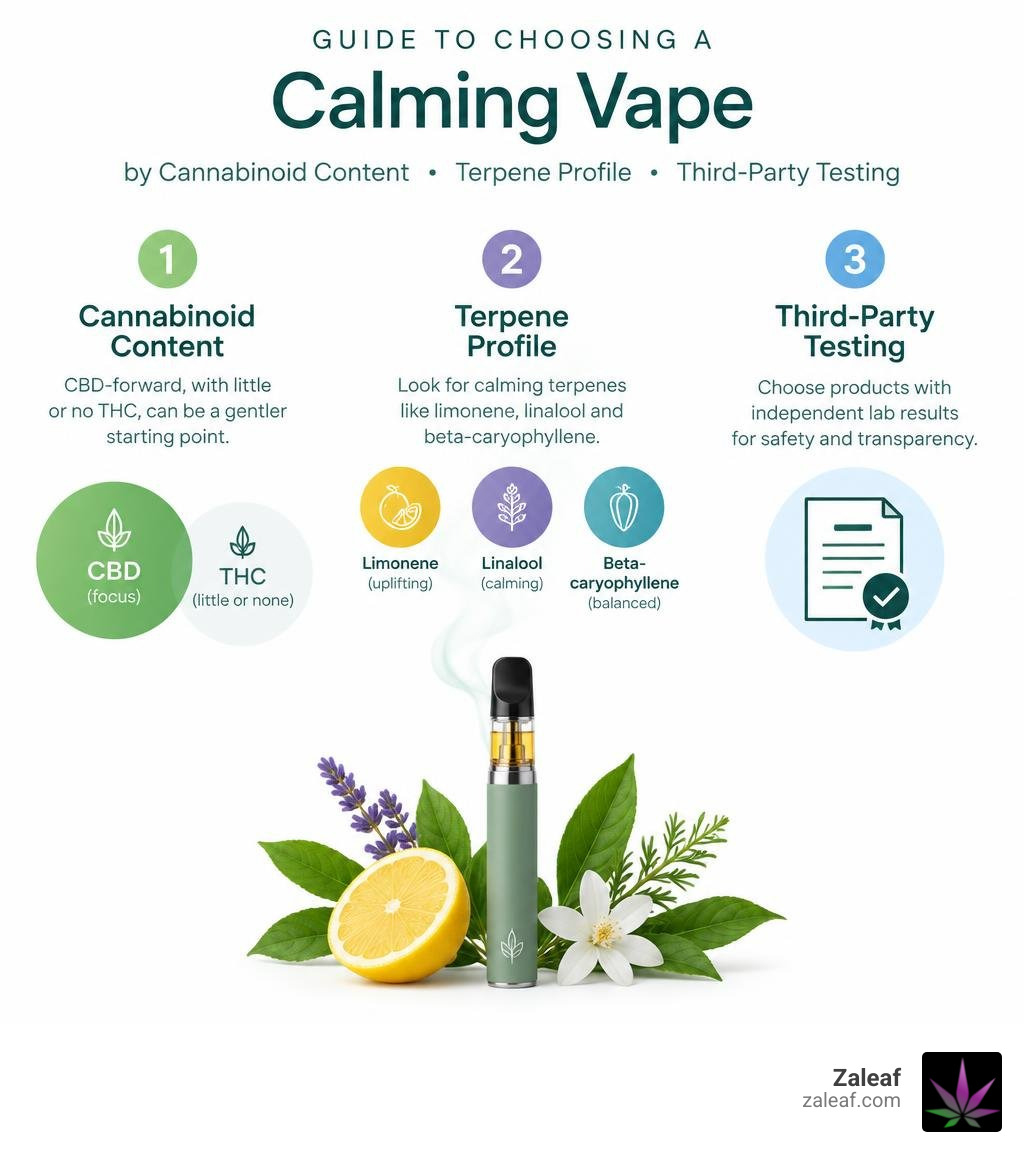
Quick look at enhanced terpene anxiety relief:
The Science of Enhanced Terpene Anxiety Relief
The therapeutic value of the cannabis plant extends well beyond primary cannabinoids like THC and CBD. In nature, cannabis inflorescences accumulate hundreds of milligrams of secondary metabolites known as terpenes. Terpenes can comprise anywhere from 8% to 20% of the total cannabinoid content by weight. These aromatic hydrocarbon molecules produce the distinct scents of citrus, pine, lavender, and pepper across botanical species. More importantly, they actively shape how cannabinoids interact with human neurobiology.
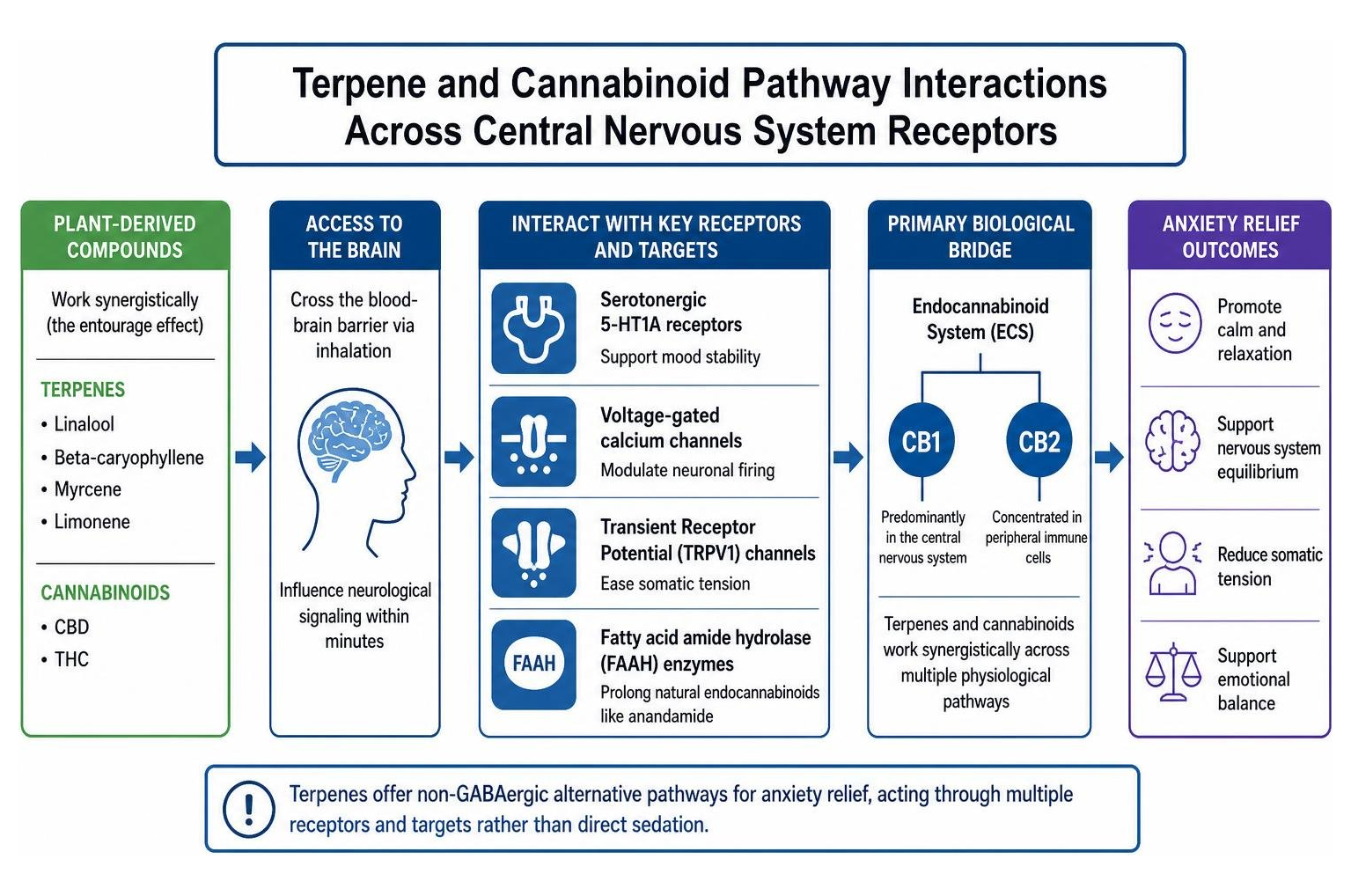
When combined, these compounds create what researchers describe as the "entourage effect." Rather than acting in isolation, terpenes and cannabinoids work synergistically across multiple physiological pathways. The endocannabinoid system (ECS) serves as the primary biological bridge. It consists of cannabinoid type 1 (CB1) receptors located predominantly in the central nervous system and cannabinoid type 2 (CB2) receptors concentrated in peripheral immune cells.
Conventional anxiety medications typically target the gamma-aminobutyric acid (GABA) system through direct, heavy receptor sedation, frequently carrying risks of dependence and cognitive blunting. Terpenes offer non-GABAergic alternative pathways. They interact directly with:
- Serotonergic 5-HT1A receptors to support mood stability
- Voltage-gated calcium channels to modulate neuronal firing
- Transient Receptor Potential (TRPV1) channels to ease somatic tension
- Fatty acid amide hydrolase (FAAH) enzymes, prolonging the natural circulation of soothing endocannabinoids like anandamide
As highlighted in a comprehensive scientific review on medicinal cannabis and anxiety, understanding anxiety pens requires analyzing how these volatile plant compounds cross the blood-brain barrier via inhalation to influence neurological signaling within minutes.
Key Calming Terpenes and Their Mechanisms
Four major terpenes stand at the forefront of natural stress modulation: linalool, beta-caryophyllene, myrcene, and limonene. Each compound displays a distinct pharmacodynamic profile that supports nervous system equilibrium.
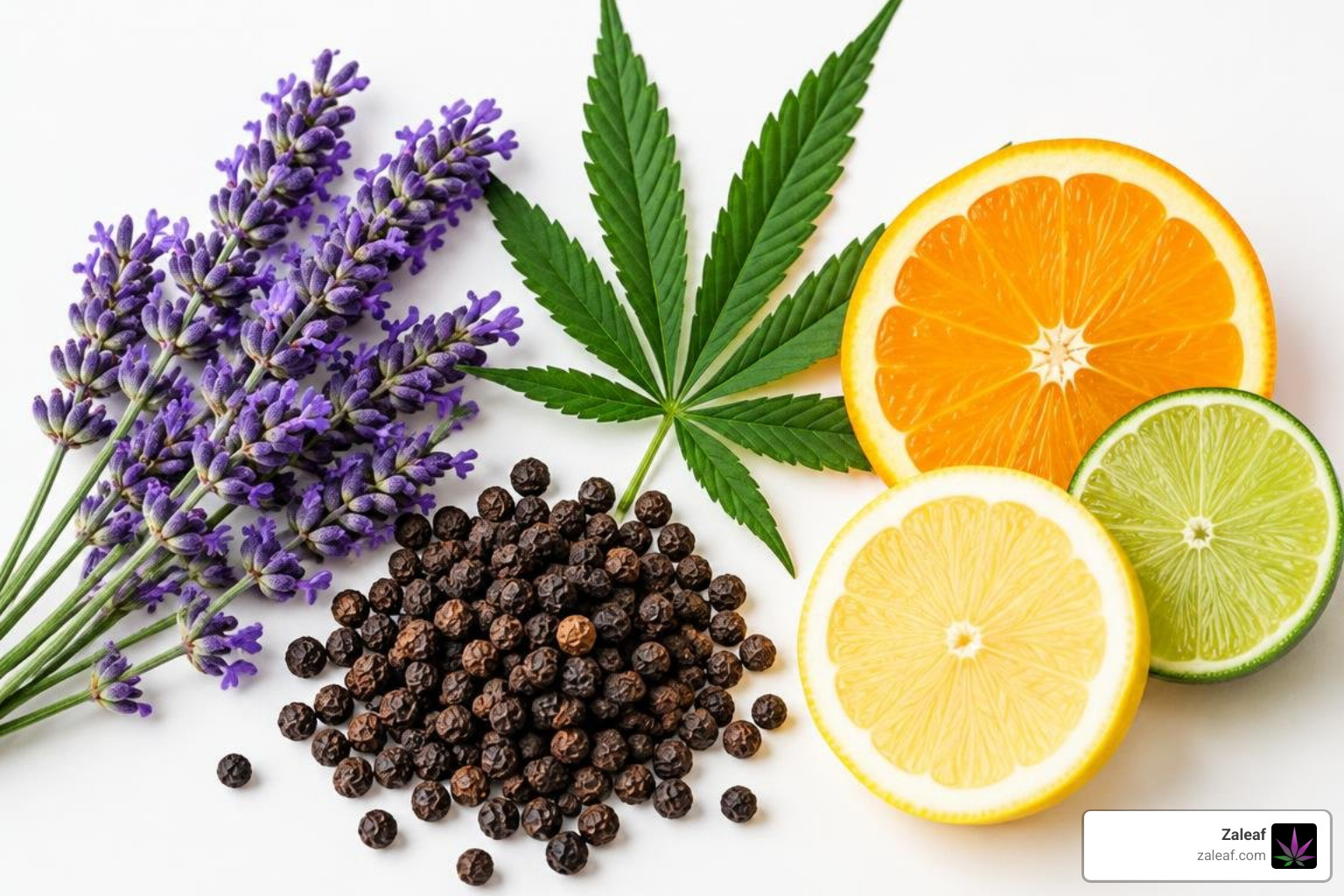
- Linalool: Naturally abundant in lavender and sweet basil, linalool reduces nervous tension by inhibiting voltage-gated calcium channels (VGCCs). This mechanism decreases excessive calcium influx into neurons, preventing hyper-excitability without producing muscular ataxia. In a pivotal clinical trial on lavender essential oil and anxiety, 539 adults with Generalized Anxiety Disorder received a standardized linalool-rich preparation or a placebo, and the linalool-rich preparation demonstrated strong anxiolytic efficacy.
- Beta-Caryophyllene (BCP): Found in black peppercorns and cloves, BCP is unique because it functions directly as a full CB2 receptor agonist. By activating CB2 receptors without stimulating psychotropic CB1 pathways, BCP exerts powerful anti-inflammatory and neuroprotective effects. It downregulates pro-inflammatory cytokines that contribute to neuroinflammation-driven stress responses.
- Myrcene: Renowned for its earthy aroma, myrcene increases cellular membrane permeability. This property facilitates faster transportation of cannabinoids across the blood-brain barrier while contributing to physical relaxation and muscle tension relief.
- D-Limonene: Exhibiting a bright citrus scent, limonene activates the 5-HT1A serotonergic pathway. In preclinical rodent evaluations using the elevated plus-maze test, inhalation of 0.5% and 1.0% (+)-limonene significantly shifted open-arm exploration parameters, demonstrating potent anti-panic activity comparable to established calming agents.
Cannabinoid Synergy: THC, CBD, and Limonene Modulation
Cannabinoids like THC display a notable biphasic dose-response curve: microdoses (typically below 2 mg) often relieve stress, while higher concentrations can induce acute paranoia and elevated heart rates in sensitive individuals. Cannabidiol (CBD) directly counteracts this by acting as a negative allosteric modulator of the CB1 receptor, while exerting pro-hedonic signaling and elevating brain-derived neurotrophic factor (BDNF).
Recent human clinical breakthroughs have demonstrated that specific terpenes exert identical protective modulation. In a landmark double-blind study on vaporized D-limonene mitigating THC-induced anxiety, healthy adults co-administered 15 mg of vaporized D-limonene alongside 30 mg of THC experienced an approximate 20% reduction in subjective ratings of anxiety and paranoia compared to consuming THC in isolation. Blood sampling confirmed that plasma THC concentrations were completely unaltered, proving that limonene directly shields neural circuits pharmacodynamically rather than simply slowing THC absorption.
As detailed in published research on how lemon-scented compounds reduce weed paranoia, combining precise terpene fractions with balanced cannabinoids allows us to maximize anxiolytic value while eliminating adverse mental distress.
Top Vape Profiles for Calming and Stress Reduction
Delivering targeted terpenes through vaporization provides systemic bioavailability superior to oral ingestion, which faces extensive first-pass hepatic metabolism. When choosing specialized formulas, examining botanical terpene profiles alongside clean cannabinoid distillates ensures predictable, fast-acting calm.

When exploring vapes designed for stress relief, the goal is to align your specific stress triggers with a tailored terpene matrix.
Choosing a Balanced Hybrid Terpene Profile for Enhanced Terpene Anxiety Relief
For daytime stressors where staying alert and functional is essential, a terpene-rich hybrid formula is ideal. High concentrations of myrcene alone can lead to unwanted sedation during working hours, whereas over-indexing on stimulating pinene might elevate heart rates in panic-prone individuals.
A calibrated hybrid terpene profile blends moderate levels of limonene for mood elevation, beta-caryophyllene for nervous system support, and balancing traces of alpha-pinene to maintain cognitive focus. When evaluating the top vape pens for anxiety, look for balanced profiles that soothe physical muscle tightness without causing cognitive sluggishness.
Targeted Cannabinoid Formulations for Enhanced Terpene Anxiety Relief
Pairing an optimized terpene blend with the correct cannabinoid base completes the therapeutic matrix. Broad-spectrum formulations completely remove THC while retaining minor cannabinoids (like CBG and CBN) alongside therapeutic terpenes, preventing any risk of cannabinoid-induced racing thoughts.
If you are choosing a dedicated cannabinoid anxiety relief pen, look for formulations with a minimum 10:1 CBD-to-THC ratio or pure CBD broad-spectrum extracts. Researching the top cannabis types for soothing anxiety and selecting the best weed for anxiety means prioritizing verified chemical profiles over arbitrary cultivar names.
Vape Formulation Comparison for Stress Management
| Formulation Profile | Dominant Terpenes | Primary Cannabinoids | Onset Time | Best Suited Stress Symptoms |
|---|---|---|---|---|
| Daytime Balance | D-Limonene, β-Caryophyllene, Pinene | Broad-Spectrum CBD + CBG | 2–5 minutes | Social anxiety, workplace tension, mental fog |
| Acute Calming | Linalool, D-Limonene, Myrcene | High-Ratio CBD (20:1) | 1–3 minutes | Racing thoughts, sudden panic sensations, irritability |
| Restorative Night | Myrcene, Linalool, Humulene | Full-Spectrum CBD + CBN | 3–5 minutes | Somatic tension, evening stress rebound, insomnia |
Consulting an updated anxiety pen guide for 2026 can help you select a blend tailored to your routine and sensitivity profile.
Best Practices for Dosing and Vaporizing Terpene Formulas
Terpenes are delicate aromatic hydrocarbons that degrade into irritating byproducts when subjected to excessive heat. To maintain compound integrity and prevent respiratory discomfort, adhere to these vaporization best practices:
- Maintain Low Voltage: Keep your vape battery set between 2.2V and 2.8V (or 315°F to 350°F). High temperatures scorch volatile compounds like linalool and myrcene, transforming smooth vapor into harsh, degraded aerosol.
- Practice Titrated Microdosing: Take one gentle 2-to-3-second draw, hold for 2 seconds, and exhale slowly. Wait 10 to 15 minutes to evaluate your nervous system's response before taking an additional inhalation.
- Inspect Third-Party Certificates of Analysis (COAs): Ensure total terpene content sits between 5% and 12%. Terpene concentrations exceeding 15% can irritate delicate mucosal membranes. Look for verified absence of heavy metals, pesticides, residual solvents, and synthetic cutting agents like vitamin E acetate.
- Protect Compound Potency: Store vape hardware in a cool, dark environment away from direct sunlight and heat to prevent photo-oxidation of the cannabinoid-terpene matrix.
Frequently Asked Questions About Terpenes and Anxiety
Which terpene is most effective for acute panic or racing thoughts?
Linalool and D-limonene are the most effective terpenes for acute emotional overwhelm. Linalool acts directly on voltage-gated calcium channels to reduce rapid neuronal firing, while D-limonene stimulates central 5-HT1A serotonergic receptors. Inhaling formulas rich in these compounds delivers rapid olfactory and pulmonary calming, making them exceptional choices for acute stress spikes.
How quickly do terpene-enhanced vape pens provide anxiety relief?
Vaporized terpenes and cannabinoids are absorbed directly through the pulmonary alveoli, entering the bloodstream and reaching the central nervous system within 2 to 5 minutes. This rapid onset bypasses the 45-to-90-minute delay associated with oral edibles, allowing users to microdose precisely until symptoms subside.
Can high terpene concentrations cause adverse airway irritation?
Yes. While terpenes are therapeutic, they are concentrated solvents in their pure state. Formulations should maintain a natural terpene ratio between 5% and 12% of the total extract. Products that exceed this threshold or rely on artificial flavoring agents can cause airway irritation, coughing, or throat scratchiness. Clean, third-party-tested botanical or cannabis-derived terpene profiles provide optimal relief without harshness.
Conclusion
Navigating stress and anxiety naturally requires precision, clean formulation, and an understanding of plant chemistry. By leveraging the therapeutic synergy of targeted terpenes like linalool, beta-caryophyllene, and limonene alongside balanced, non-intoxicating cannabinoids, terpene-enhanced vaporizers provide rapid, manageable relief without heavy pharmaceutical sedation.
At Zaleaf, our mission is to craft 100% legal, clean cannabis products formulated for predictable, mood-specific outcomes. Every batch is supported by comprehensive third-party lab testing, shipped quickly and in discreet packaging right to your door with no medical card or ID required. To find the right blend for your daily routine, explore the latest cannabis wellness guides and formulas.
References
Ferber SG, Namdar D, Hen-Shoval D, Eger G, Koltai H, Shoval G, Shbiro L, Weller A. "The "Entourage Effect": Terpenes Coupled with Cannabinoids for the Treatment of Mood Disorders and Anxiety Disorders.." Current neuropharmacology, 2020. PMCID PMC7324885. Malcolm BJ, Tallian K. "Essential oil of lavender in anxiety disorders: Ready for prime time?." The mental health clinician, 2017. PMCID PMC6007527. Spindle TR, Zamarripa CA, Russo E, Pollak L, Bigelow G, Ward AM, Tompson B, Sempio C, Shokati T, Klawitter J, Christians U, Vandrey R. "Vaporized D-limonene selectively mitigates the acute anxiogenic effects of Δ9-tetrahydrocannabinol in healthy adults who intermittently use cannabis.." Drug and alcohol dependence, 2024. PMID 38498958.