

Find Your Sweet Spot Between Relaxing and Energizing Terpenes
What a Hybrid Terpene Profile Can Tell You
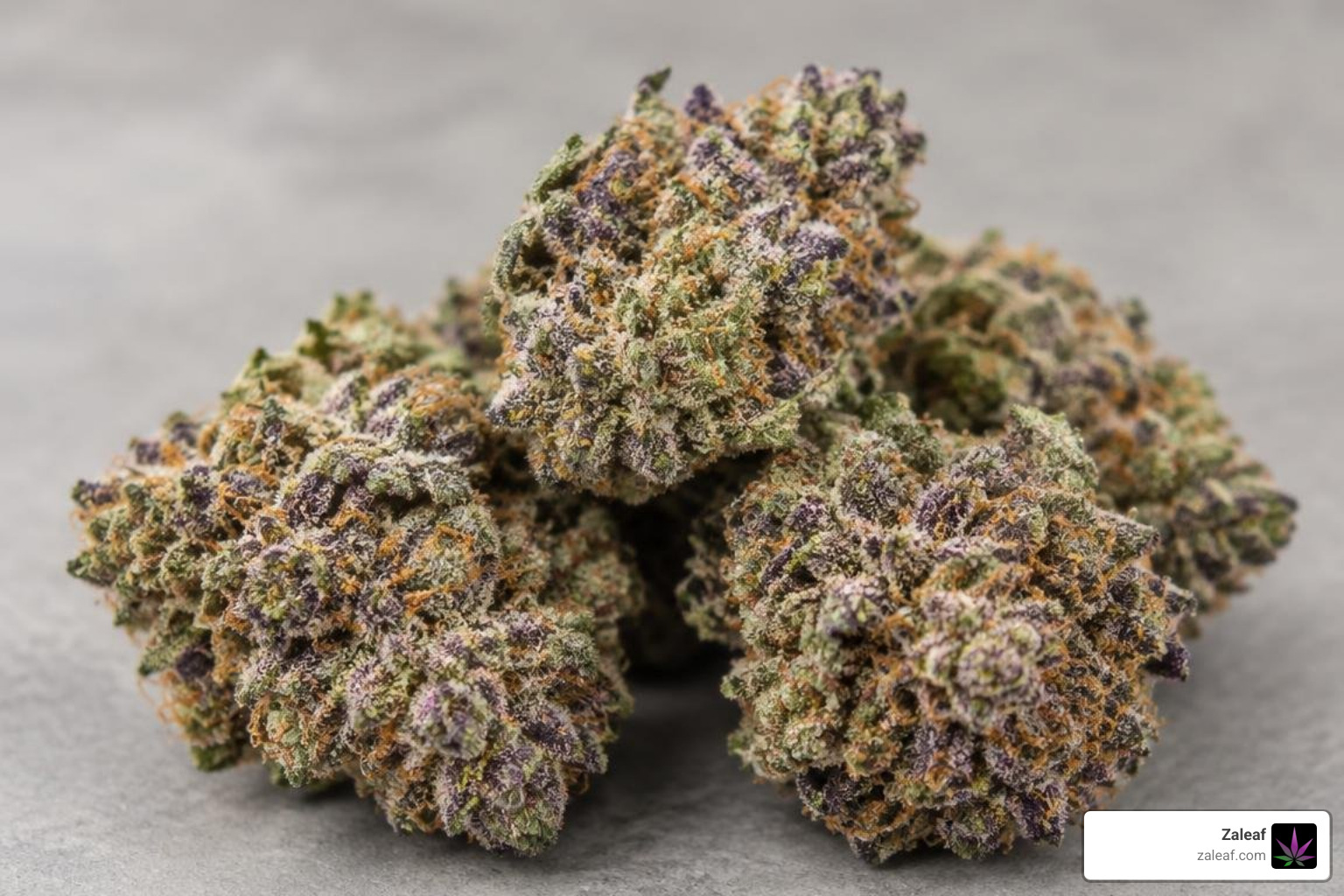
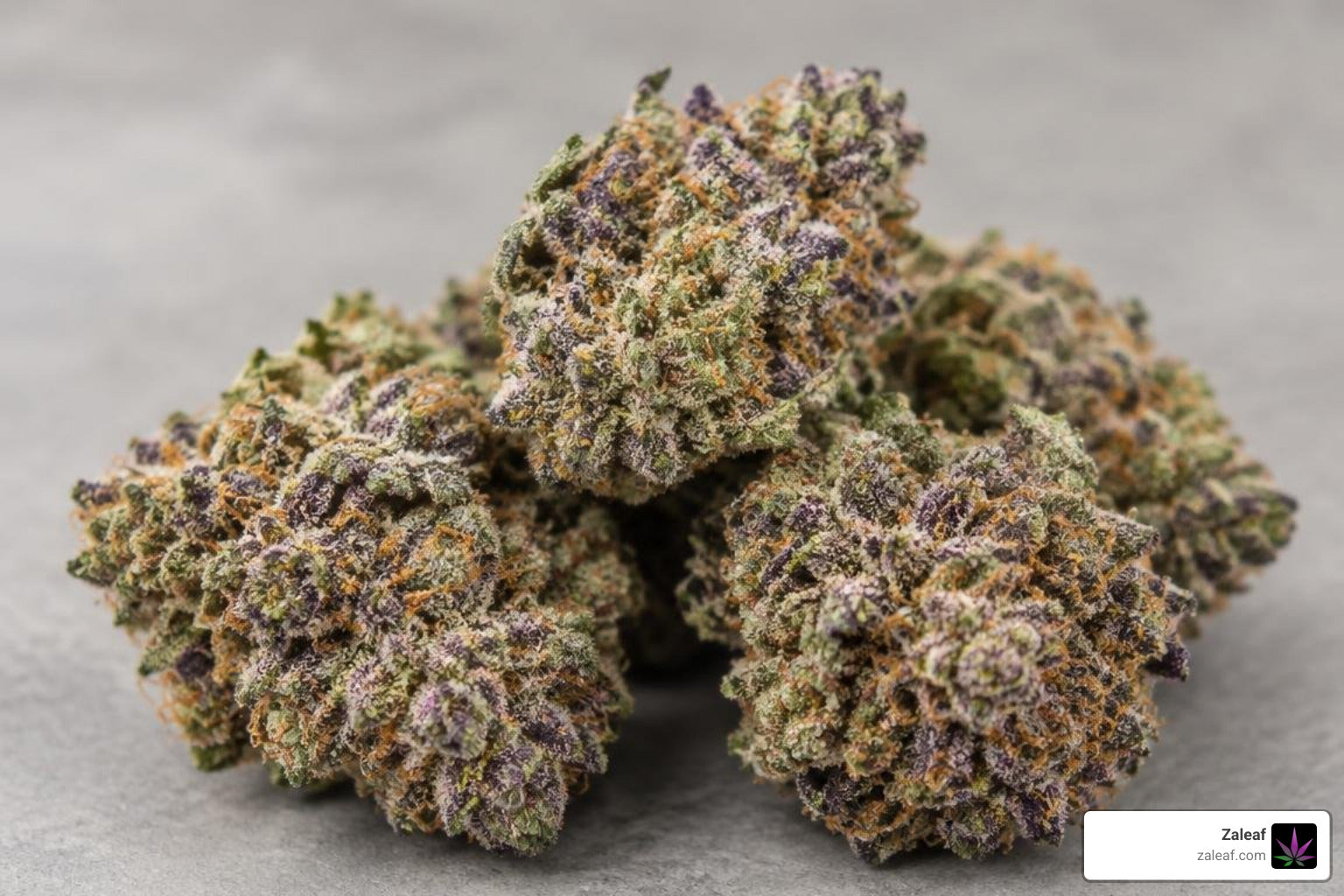
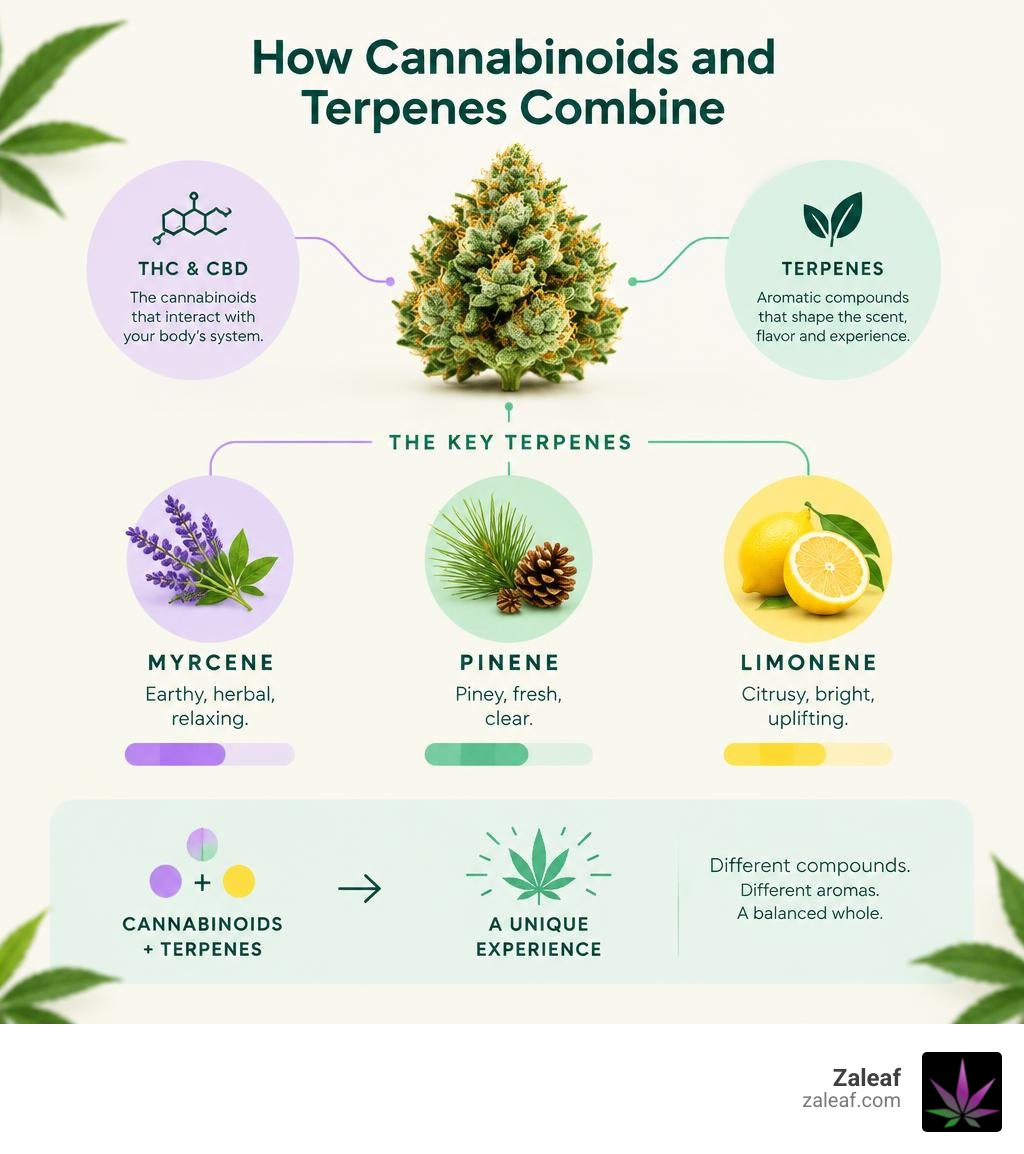
A hybrid terpene profile shows which aroma compounds are in a cannabis strain and how much of each is present. If you want a more relaxing experience, look for a profile with more myrcene. If you prefer a brighter, piney or citrus scent, look for pinene or limonene. Use lab results, not the word “hybrid” alone, to compare products. Terpenes may shape how cannabis feels alongside THC and CBD, but a profile cannot promise a specific effect.
I’m Max Shemesh, owner and CEO of Zaleaf. My work developing hemp and cannabinoid products has taught me why a lab-tested hybrid terpene profile is more useful than a strain name when you’re choosing what fits your day. Whether you buy flowers online, browse flower online, or order flowers delivered by post, checking the lab-verified certificate of analysis gives you clear insight into the exact chemical makeup of your chosen buds.
Decoding the Hybrid Terpene Profile: The Science of Balanced Strains
When we evaluate cannabis varieties, we look past simplistic labels like "indica" or "sativa" and focus on chemical chemotypes. Plant chemotypes are defined by their unique concentrations of primary cannabinoids and secondary metabolites. Among these secondary metabolites, volatile aromatic hydrocarbons called terpenes play the most critical role in dictating sensory character and physiological modulation.
Recent analytical research has greatly expanded our understanding of these complex mixtures. In a comprehensive Headspace-GC/MS analysis of hybrid cannabis, researchers identified a total of 26 volatile compounds across leaf and inflorescence samples (Lee et al., 2023). While dozens of minor aromatics contribute to subtle flavor notes, the chemical signature of balanced cultivars consistently hinges on a core group of predominant terpenes.
| Terpene | Aroma Profile | Typical Hybrid Range (μg/g) | Primary Pharmacological Properties |
|---|---|---|---|
| Myrcene | Earthy, musky, herbal, ripe fruit | 0.7 – 17,400 | Sedative, muscle relaxant, analgesic |
| β-Caryophyllene | Peppery, spicy, woody | 60 – 3,300 | Anti-inflammatory, CB2 agonist, gastroprotective |
| α-Pinene | Fresh pine, sharp resin, rosemary | 9.8 – 2,270 | Bronchodilator, alert-promoting, neuroprotective |
| β-Pinene | Green herbaceous, dill, woody | 2.6 – 930 | Anti-inflammatory, mood modulating |
| α-Humulene | Earthy, woody, hoppy | 40 – 870 | Appetite suppressing, anti-inflammatory |
| Limonene | Bright citrus, lemon peel, sweet orange | 1.3 – 300 | Uplifting, anxiolytic, gastroprotective |
Biomarkers That Define a Hybrid Terpene Profile
Rather than requiring labs to quantify hundreds of trace molecules, chemical profiling relies on specific biomarker compounds. Analytical data confirms that six major terpenes serve as dependable quantitative markers across hybrid cultivars: α-pinene, β-pinene, myrcene, limonene, β-caryophyllene, and α-humulene (Lee et al., 2023).
The concentration ranges of these six biomarkers vary significantly depending on genetic lineage and plant maturity:
- Myrcene: Demonstrates the widest spread of any compound, ranging from 0.7 μg/g up to an extraordinary 17,400 μg/g in myrcene-heavy cuts.
- β-Caryophyllene: Commonly spans from 60 to 3,300 μg/g, serving as the leading sesquiterpene in most hybrid blooms.
- α-Pinene: Quantified between 9.8 and 2,270 μg/g, balancing out deeper base notes with crisp aromatic clarity.
- β-Pinene: Found from 2.6 to 930 μg/g, working alongside α-pinene to build complex evergreen top-notes.
- α-Humulene: Extends from 40 to 870 μg/g, frequently tracking in a close ratio alongside caryophyllene.
- Limonene: Ranges from 1.3 to 300 μg/g, providing zesty aromatic accents even at lower absolute thresholds.
The Entourage Effect: Cannabinoid Modulation Beyond THC and CBD
The physiological impact of cannabis cannot be explained by cannabinoids alone. The "entourage effect" describes the biological synergy where terpenes modulate, amplify, or temper the binding behavior of cannabinoids at human neuroreceptors.
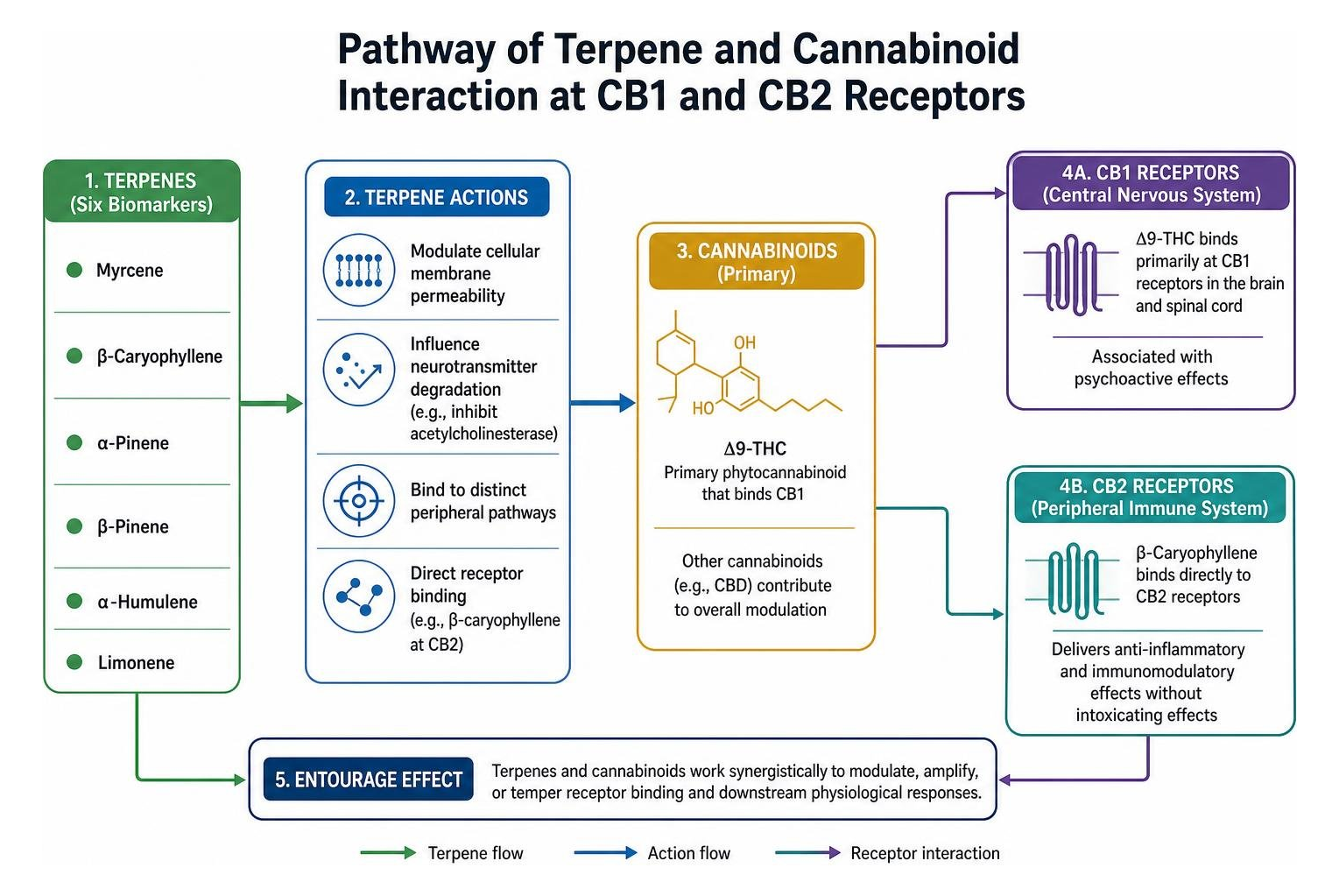
While phytocannabinoids like delta-9-THC interact directly with central CB1 receptors, terpenes alter cellular membrane permeability, influence neurotransmitter degradation (such as inhibiting acetylcholinesterase), and bind to distinct peripheral pathways. For example, β-caryophyllene functions as a dietary cannabinoid by binding directly to CB2 receptors, delivering potent anti-inflammatory action without intoxicating cerebral effects.
Understanding how volatile fractions interact with cannabinoids helps consumers select the right cannabinoid profile in joints to achieve targeted mood outcomes rather than unpredictable highs.
The Six Major Terpenes and Their Targeted Effects
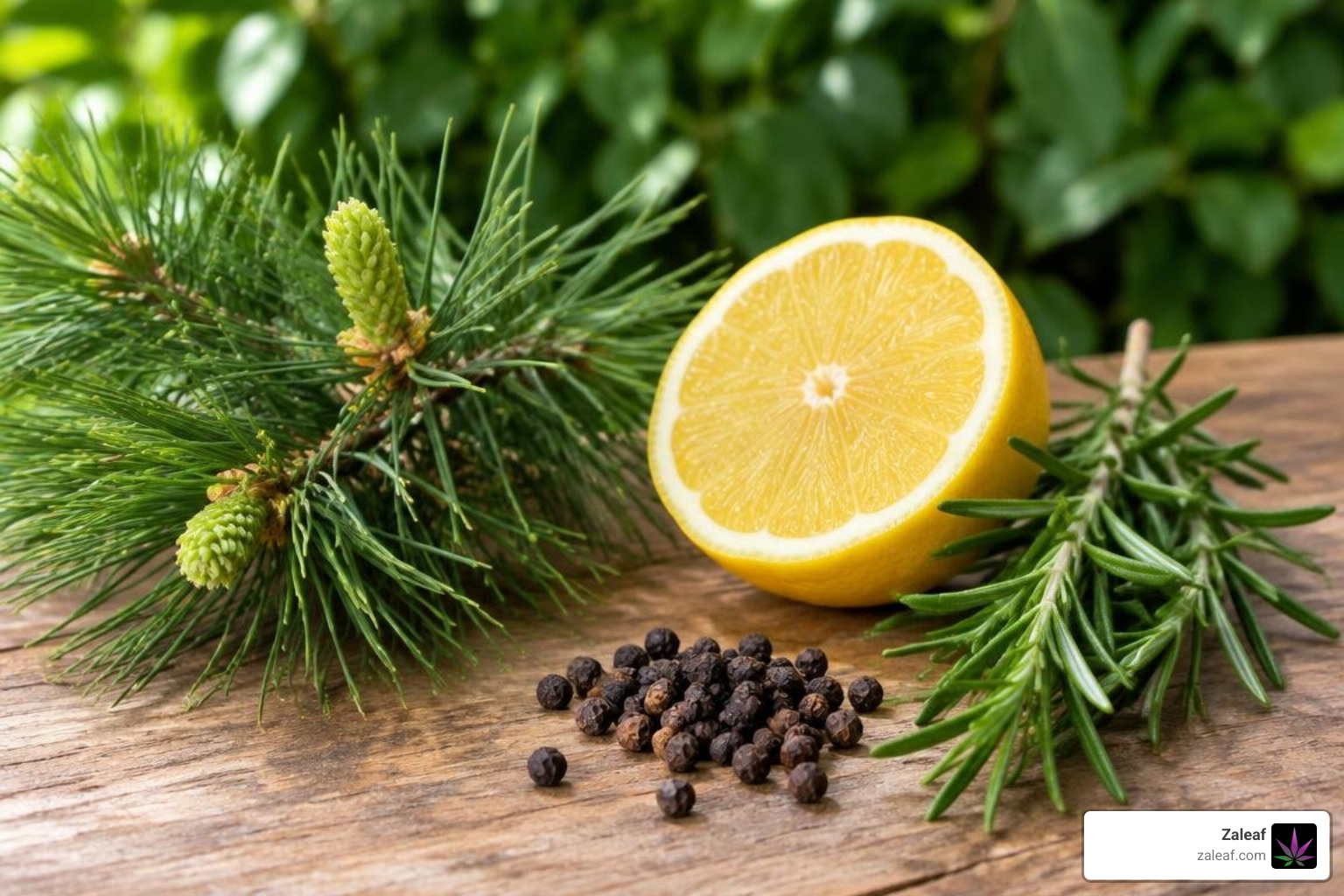
To dial in your preferred experience, it helps to understand the specific therapeutic and sensory benefits provided by each of the six primary hybrid markers:
- Myrcene: Beyond its signature musky, herbal scent, myrcene increases blood-brain barrier permeability. This allows cannabinoids to enter central receptors more rapidly, producing deep physical relaxation and analgesic relief.
- β-Caryophyllene: Delivering a sharp, peppery kick, this sesquiterpene provides cellular protection and inflammation relief via peripheral CB2 pathways, making it invaluable for soothing physical tension.
- α-Pinene: Responsible for the brisk aroma of pine needles, α-pinene acts as a natural bronchodilator. It helps counteract short-term memory deficits sometimes induced by THC by preserving acetylcholine levels.
- β-Pinene: Sharing similar structural characteristics with its isomer, β-pinene delivers clean, green top notes while contributing measurable antimicrobial and pain-relieving properties.
- Limonene: Sourced heavily from citrus rinds, limonene triggers serotonin and dopamine signaling in the brain. Its uplifting nature helps reduce stress and smooths out sluggish, heavy feelings.
- α-Humulene: Distinctly hoppy and woody, humulene shares genetic pathways with caryophyllene. It exhibits powerful anti-inflammatory properties and uniquely lacks the appetite-stimulating effects typical of other cannabis aromatics.
Learning how these compounds interact is essential when choosing between indica, sativa, and hybrid vapes for personalized daily routines.
Relaxing vs. Energizing Terpenes in Hybrid Cultivars
The balance of a hybrid comes down to the ratio between grounding base notes and stimulating top notes. Sedative compounds like myrcene, caryophyllene, and humulene provide physical calm and grounding body effects. Conversely, stimulating compounds like limonene and α-pinene provide cerebral clarity, social confidence, and daytime alertness.
When formulating extracts or curating flower, monitoring these ratios allows us to predict whether a strain leans toward evening rest or afternoon creativity. This chemical harmony also directly dictates consumer flavor preferences, shaping the best cannabis vape flavors with complex layers of sweet citrus, cooling pine, and warm spice.
Strain Spotlight: From Cherry Blossom to Blue Dream
Analytical studies on hybrid cultivars illustrate just how dramatically these profiles diverge across real-world genetics:
- Cherry Blossom: Inflorescence samples of Cherry Blossom showed exceptionally rich aromatic content, registering up to 17,400 ± 300 μg/g of myrcene and 2,270 ± 70 μg/g of α-pinene (Lee et al., 2023). This combination yields a rich, floral-sweet profile with profound physical calming properties.
- Blue Dream: Renowned for functional daytime focus, Blue Dream balances pinene and myrcene while uniquely exhibiting detectable levels of guaiol in its leaf material and bulnesol in its inflorescences (Lee et al., 2023).
- White Widow: A classic cultivar whose balanced ratio of caryophyllene to pinene provides centered mental clarity paired with gentle physical relaxation.
Reviewing these exact ratios helps consumers find ideal indica hybrid vape pens tailored for tranquil evenings without heavy couch-lock.
Analytical Profiling: Leaves, Inflorescences, and Extraction Science
Accurate terpene quantification requires rigorous analytical methods. In botanical testing laboratories, Headspace-Gas Chromatography/Mass Spectrometry (HS-GC/MS) stands out as the gold standard for volatile analysis.
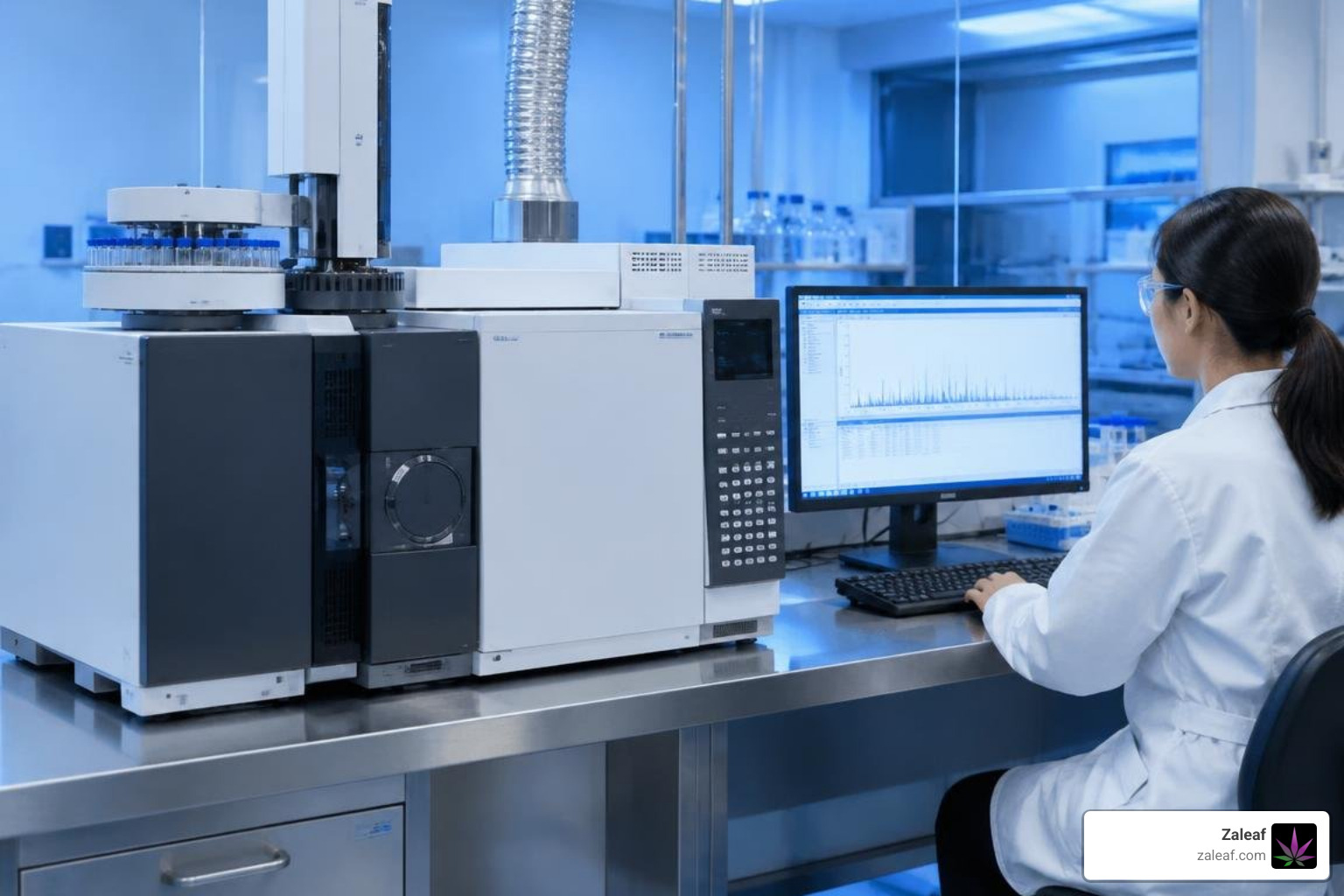
Unlike Solid-Phase Microextraction (SPME)—which can suffer from fiber saturation, competition between volatile analytes, and sample degradation—automated static headspace extraction provides a clean, solvent-free profile without boiling off sensitive compounds.
Optimizing this extraction is a delicate thermal balancing act:
- Under-heating (<80 °C): Fails to volatilize heavier sesquiterpenes like β-caryophyllene and α-humulene, skewing the reported data.
- Over-heating (>120 °C): Causes sensitive monoterpenes like α-pinene and myrcene to degrade or isomerize into secondary artifacts.
- Optimized Window: Research proves that incubating samples at 100 °C for exactly 30 minutes provides complete extraction of all 26 volatile compounds while preventing thermal degradation (Lee et al., 2023).
How Cultivators Formulate Products Using a Hybrid Terpene Profile
Terpene production is not uniform across the cannabis plant. Glandular trichomes concentrate heavily on floral inflorescences, meaning flower material yields significantly higher absolute terpene concentrations than fan leaves.
In laboratory Principal Component Analysis (PCA), statistical variance across cultivars is cleanly mapped by these aromatic markers. Principal Component 1 (PC1) accounts for 51.66% of data variance, while Principal Component 2 (PC2) explains 29.79% (Lee et al., 2023). Together, these primary components explain over 81% of total chemical variance, allowing producers to separate leaf biomass from pristine flower and authenticate specific genetic phenotypes.
Manufacturers use this quantitative data to optimize processing runs, ensuring products like cannabinoid profile pre-rolls deliver consistent flavor and reliable effects across every production batch.
Organic Botanical Terpenes and Authentic Aroma Replication
Recreating the authentic scent and physiological nuance of a specific cannabis cultivar requires comprehensive chemical mapping. Terpene formulators reference analytical data from research databases like PMC to match the exact natural ratios of monoterpenes and sesquiterpenes found in whole plant samples.
By isolating organic, botanical-derived terpenes—such as pure pinene from pine or limonene from citrus rinds—laboratories can formulate authentic, strain-specific blends that mirror the aromatic complexity of premium cannabis flower. When combined with pure cannabinoid distillates, these lab-verified formulations deliver predictable entourage effects while maintaining complete freedom from unwanted residual solvents.
Frequently Asked Questions About Hybrid Terpenes
How do hybrid terpene profiles balance relaxing and energizing effects?
Hybrid profiles achieve equilibrium through the interplay of opposing monoterpenes and sesquiterpenes. High concentrations of myrcene and caryophyllene provide physical relaxation, while co-occurring levels of limonene and α-pinene support dopamine release and mental alertness. The resulting experience feels grounded and clear-headed rather than overly sedative or excessively stimulating.
Why are inflorescence terpene concentrations higher than leaf levels?
Cannabis plants concentrate secondary metabolites within secretory cavity cells inside glandular trichomes. Capitate-stalked trichomes are densely clustered on floral bracts and inflorescences, whereas fan leaves contain primarily non-glandular and smaller sessile trichomes. Consequently, inflorescences contain vastly higher concentrations (often orders of magnitude higher in μg/g) of major terpenes compared to vegetative foliage.
What is the most accurate method to test hybrid terpene concentrations?
The most accurate, reproducible technique is static Headspace-Gas Chromatography/Mass Spectrometry (HS-GC/MS) calibrated against authentic analytical standards. When operated with an optimized incubation of 100 °C for 30 minutes, this method captures the full volatile spectrum without requiring chemical extraction solvents or causing thermal breakdown of delicate monoterpenes.
Conclusion
Understanding the chemical anatomy of a cannabis strain transforms how you personalize your wellness and relaxation routines. Looking beyond generic hybrid names and examining verified biomarker concentrations—specifically the balance of myrcene, pinene, limonene, and caryophyllene—empowers you to select products that reliably match your lifestyle.
At Zaleaf, we provide 100% legal cannabis products designed to optimize mood-specific effects through carefully curated cannabinoid and aromatic profiles. Every batch undergoes rigorous 3rd-party laboratory testing to verify potency, purity, and terpene integrity. We make elevating your routine effortless with fast shipping, discreet packaging, and no ID or medical card required. When you are ready to find your perfect equilibrium, explore fresh cannabis flower selection options crafted for balanced, reliable enjoyment.
References
Lee S, Kim EJ, Kwon E, Oh SJ, Cho M, Kim CM, Lee W, Hong J. "Identification of Terpene Compositions in the Leaves and Inflorescences of Hybrid Cannabis Species Using Headspace-Gas Chromatography/Mass Spectrometry.." Molecules (Basel, Switzerland), 2023. PMCID PMC10745826.