

What's the Buzz About Fresh Cannabis Flower?
Why Fresh Cannabis Flower is Different from What You're Used to
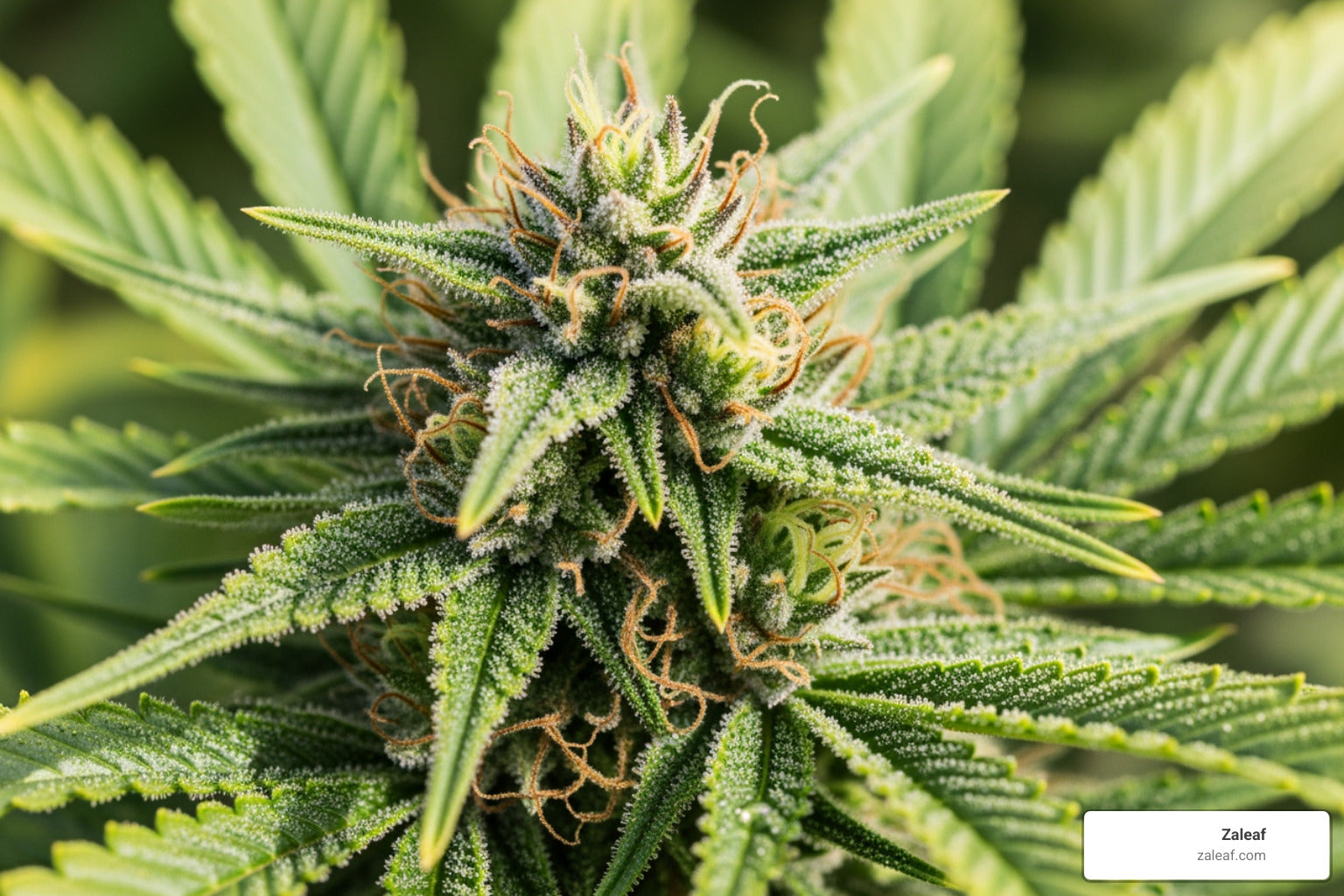
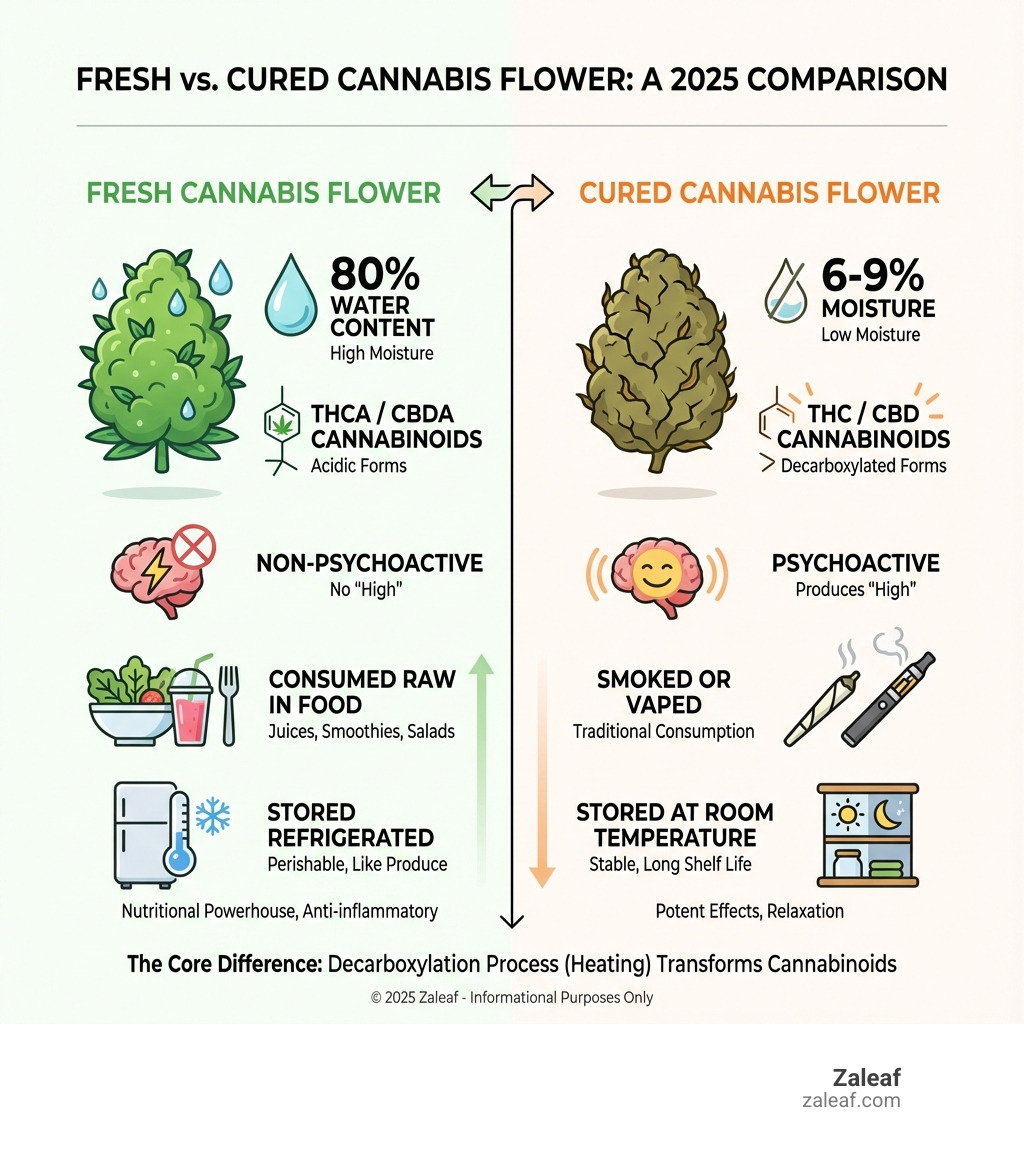
Fresh cannabis flower refers to cannabis buds that have not been dried or cured—they're raw, unheated, and still contain high levels of moisture (about 80% water content). Here's what makes it unique:
- Non-Psychoactive: Fresh flower contains THCA and CBDA (cannabinoid acids), not THC or CBD, so it won't get you high
- Consumed Raw: Used in juices, smoothies, salads, and dressings—similar to other leafy greens
- Different Benefits: May offer anti-inflammatory, antioxidant, and anti-nausea properties, plus vitamins and fiber
- Not for Smoking: The high water content makes it unsuitable for traditional consumption methods
- Requires Refrigeration: Must be stored properly to prevent wilting and mold
Most cannabis consumers are familiar with cured cannabis flower—the dried, potent buds sold in dispensaries. Fresh cannabis flower is the complete opposite. It's the raw plant material, straight from harvest, before the drying and curing process transforms THCA into psychoactive THC.
The difference matters because fresh cannabis flower offers a completely different experience and potential benefits compared to its cured counterpart. While cured flower is heated to produce the "high" associated with cannabis, fresh flower is consumed raw—like a superfood green. Some health-conscious cannabis enthusiasts even call it a nutritional powerhouse, rich in cannabinoid acids, vitamins (C, K, folate), minerals (iron, calcium), and dietary fiber.
But fresh flower isn't easy to find. Most dispensaries don't stock it because the majority of consumers want cured flower for smoking or vaping. And if you do locate fresh buds, you'll need to know how to store and prepare them properly—they're perishable, like produce, and require refrigeration.
So why would anyone choose fresh over cured? The answer lies in the unique chemical profile of raw cannabis and what happens (or doesn't happen) when you skip the decarboxylation process. I'm Max Shemesh, Owner & CEO of Zaleaf, and throughout my career in the cannabinoid industry, I've seen growing interest in fresh cannabis flower as consumers seek diverse wellness options beyond traditional methods. In this guide, I'll walk you through everything you need to know about fresh flower—from its science to its uses.
From Harvest to High: Fresh vs. Cured Cannabis
Fresh cannabis flower is the plant material right after harvest, before post-harvest processes turn it into dried bud. Think of a fresh grape versus a raisin—their characteristics, chemical makeup, and uses are vastly different. The journey from a living plant to the cured cannabis in dispensaries is a scientific process designed to improve its properties.
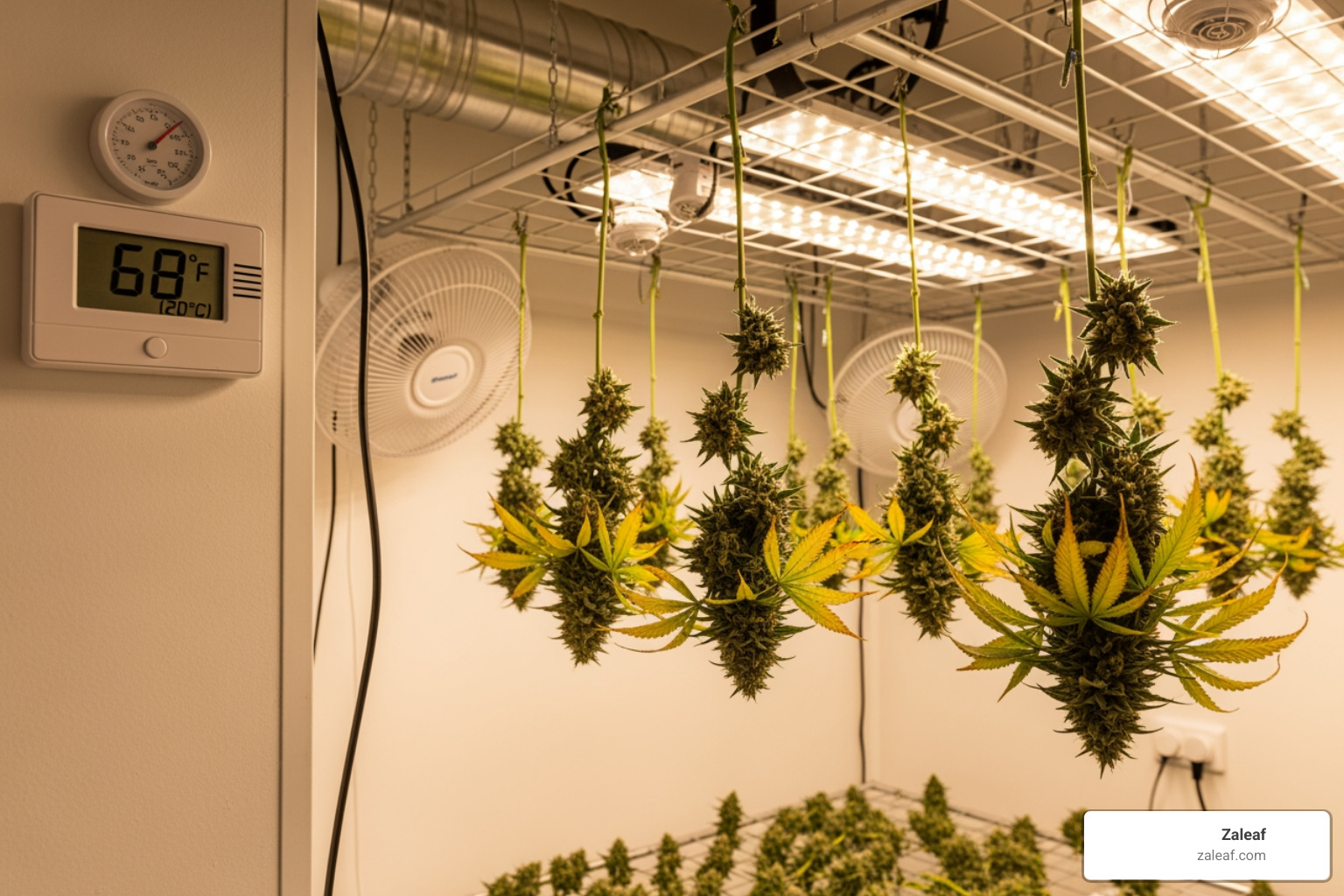
At harvest, cannabis flowers are plump with about 80% water content. This high moisture makes them "fresh" but also highly perishable. To become a stable, smokable product, this raw material undergoes two stages: drying and curing.
The drying process is the first step, reducing moisture to prevent mold and prepare for curing. It involves hanging buds in a controlled environment for 7 to 14 days. Rushing it can make the flower brittle and lose terpenes; going too slow risks mold. It's a delicate balance!
After drying, the curing process begins. While smokable after drying, curing open ups its full potential for flavor, aroma, and potency. This stage is a slower removal of moisture, allowing chemical changes to occur. A basic cure takes two weeks, but for connoisseur-level quality, some cultivators cure their cannabis for 3 to 6 months or longer. This extended period allows for the breakdown of chlorophyll and the maturation of cannabinoids and terpenes, resulting in a smoother, more flavorful experience.
During these processes, a chemical change called decarboxylation begins. In fresh cannabis flower, cannabinoids are in their non-psychoactive acidic forms, like THCA (tetrahydrocannabinolic acid) and CBDA (cannabidiolic acid). During drying, curing, and especially when heated (like smoking or vaping), these acids convert to their active counterparts: THCA becomes THC, and CBDA becomes CBD. This conversion allows us to enjoy the effects of cured cannabis.
The Role of Curing
Curing is often overlooked by casual consumers, but it's the secret sauce that separates mediocre cannabis from top-shelf bud. It's not just about drying out the plant; it's about refining its character.
One of the primary benefits of curing is the chlorophyll breakdown. Chlorophyll, the pigment responsible for the plant's green color, can impart a harsh, grassy taste and aroma to uncured or improperly cured cannabis. Curing allows this chlorophyll to degrade, resulting in a much smoother, cleaner smoke or vapor, and a more pleasant flavor profile.
Beyond taste, curing significantly impacts the terpene maturation. Terpenes are the aromatic compounds that give cannabis its distinctive scents and flavors—from citrusy and piney to earthy and skunky. These volatile oils are delicate and can easily degrade if drying is too fast or conditions are not ideal. A slow, controlled cure preserves these terpenes, allowing their complex profiles to fully develop and shine. This is why properly cured cannabis boasts such rich and nuanced aromas.
Finally, curing plays a role in potency development and stability. While the bulk of THCA to THC conversion happens with applied heat, a slow cure can contribute to the full expression of the cannabinoid profile. More importantly, proper curing, followed by correct storage, is crucial for preserving that potency. Cannabis plant material stored at room temperature can lose 16.6% of its original THC content after a year and 26.8% after two years. This degradation is accelerated by environmental factors like light, oxygen, and improper temperature. The ideal humidity for curing cannabis is between 58% and 62% Relative Humidity (RH), which helps maintain freshness, aroma, and potency without risking mold. Keeping conditions stable is key. For a deeper dive into how environmental factors affect cannabinoid stability, check out this resource: More on the science of cannabinoid stability.
Psychoactive Effects: The Decarboxylation Difference
This is perhaps the most significant difference between fresh cannabis flower and its cured counterpart: the "high." As we've discussed, fresh cannabis contains cannabinoid acids like THCA and CBDA, which are non-intoxicating. To experience the psychoactive effects associated with THC, or the therapeutic effects of CBD, these acidic precursors must be converted. This conversion process is called decarboxylation.
Decarboxylation happens when cannabis is exposed to heat. This is why traditional consumption methods like smoking, vaping, or baking are so effective.
- Smoking: The direct flame instantly decarboxylates the THCA into THC, providing immediate effects.
- Vaping: Heating cannabis to a specific temperature (usually between 315-440°F or 157-227°C) without combustion also triggers decarboxylation, releasing cannabinoids and terpenes in a vapor.
- Baking/Cooking: When making edibles, cannabis is typically "decarbed" in an oven before being infused into butter or oil. This slow, controlled heating process ensures maximum conversion of THCA to THC, allowing the edibles to deliver their potent effects.
Without this heat-induced decarboxylation, the cannabinoid acids remain largely intact, meaning fresh cannabis flower is non-intoxicating. You won't get high from eating raw cannabis. This fundamental difference opens up an entirely new way to approach cannabis consumption, focusing on its nutritional and potential therapeutic benefits without the psychoactive effects. Understanding this process is key, especially if you're exploring different consumption methods like those discussed in our guide: From flower to vapor: understanding weed carts.
The Science of Raw Cannabis: Cannabinoid Acids and Terpenes
Now that we understand the change from fresh to cured, let's zoom in on what makes fresh cannabis flower scientifically unique. The magic lies in its unactivated chemical profile, specifically its rich concentration of cannabinoid acids and a vibrant terpene profile.
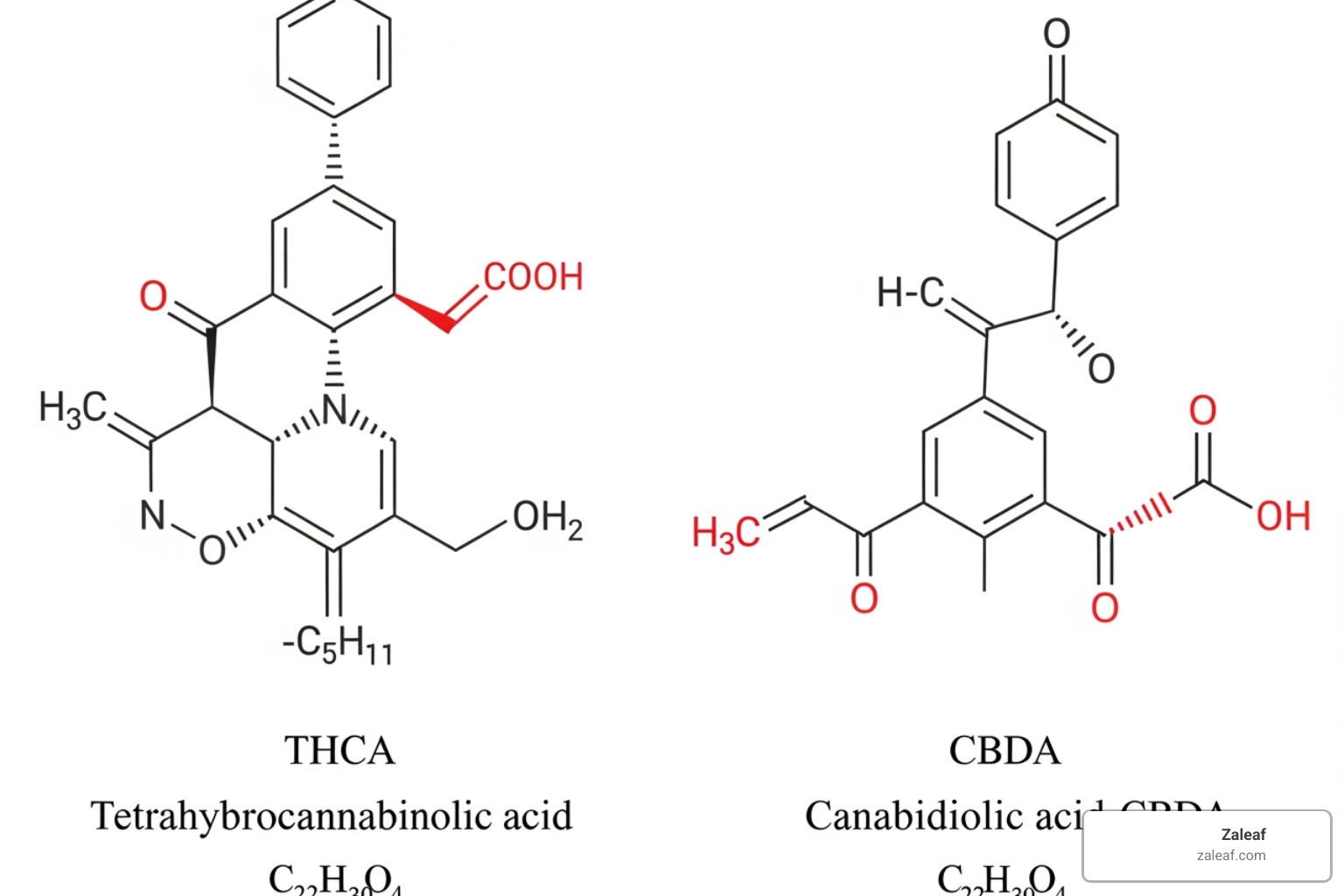
In the raw plant, cannabinoids exist primarily in their acidic forms. The two most well-known are:
- THCA (Tetrahydrocannabinolic acid): This is the precursor to THC, the primary psychoactive compound in cannabis. In its raw form, THCA is non-intoxicating.
- CBDA (Cannabidiolic acid): This is the precursor to CBD, a non-psychoactive cannabinoid known for its therapeutic potential. Like THCA, CBDA is non-intoxicating.
These cannabinoid acids are fascinating because they interact with our body's endocannabinoid system in different ways than their activated counterparts. While research is ongoing, early studies suggest that these acidic forms may have their own distinct therapeutic properties, separate from those of THC and CBD. They are essentially the raw building blocks that, with heat, transform into the compounds we're more familiar with.
Beyond cannabinoids, fresh cannabis flower also boasts a full and vibrant terpene profile. Terpenes are the aromatic compounds responsible for the plant's unique scent and flavor. In raw cannabis, these volatile oils are at their peak, untouched by the drying and curing processes that can sometimes diminish their potency and complexity. This means that fresh flower offers a different sensory experience, often described as "green," "grassy," or "earthy," with notes that might be muted or altered in cured flower.
To help illustrate these differences, we've put together a quick comparison:
| Feature | THCA (in Fresh Cannabis) | THC (in Cured Cannabis, after Decarboxylation) | CBDA (in Fresh Cannabis) | CBD (in Cured Cannabis, after Decarboxylation) |
|---|---|---|---|---|
| Psychoactive? | No | Yes, intoxicating | No | No, non-intoxicating |
| Form | Acidic precursor | Neutral, activated form | Acidic precursor | Neutral, activated form |
| Primary Effect | Potential anti-inflammatory, antioxidant, anti-nausea | Euphoria, pain relief, appetite stimulation, relaxation | Potential anti-inflammatory, anti-anxiety, anti-nausea | Anxiety relief, anti-inflammatory, pain relief, relaxation |
| Found In | Raw, unheated cannabis | Heated/cured cannabis | Raw, unheated cannabis | Heated/cured cannabis |
| Consumption | Raw (juices, smoothies) | Smoked, vaped, edibles | Raw (juices, smoothies) | Smoked, vaped, edibles |
What Are the Benefits of Fresh Cannabis Flower?
The unique chemical composition of fresh cannabis flower opens up a world of potential benefits, particularly for those interested in wellness without psychoactive effects. It's like finding a new superfood, rich in compounds that are often lost or altered during conventional processing.
One of the most exciting areas of research focuses on the potential anti-inflammatory properties of cannabinoid acids like THCA and CBDA. Studies suggest that these compounds may help reduce inflammation, which is at the root of many chronic diseases. Imagine integrating a natural anti-inflammatory into your daily diet, similar to how you might use turmeric or ginger.
Beyond inflammation, THCA has shown antioxidant potential, meaning it could help protect our cells from damage caused by free radicals. This aligns with the broader trend of consuming antioxidant-rich foods for overall health and longevity. Additionally, research indicates that THCA and CBDA may have anti-nausea properties, offering a natural option for those struggling with stomach upset or chemotherapy-induced nausea.
But the benefits aren't just limited to cannabinoids. Fresh cannabis flower is also packed with essential nutritional components that contribute to a healthy diet. Just like other leafy green vegetables, cannabis leaves and flowers contain:
- Vitamins: Including Vitamin K (important for blood clotting and bone health) and Vitamin C (a powerful antioxidant that supports immune function).
- Minerals: Such as Folate (crucial for cell growth and function) and Iron (essential for oxygen transport in the blood).
- Dietary Fiber: Which aids in digestion and promotes gut health.
When consumed raw, we're essentially getting the full nutritional spectrum of the plant, including these vitamins, minerals, and fiber, alongside the unique cannabinoid acids and terpenes. It's a holistic approach to wellness that leverages the plant in its most natural state. While much of the research on raw cannabis is still emerging, the potential for these compounds to contribute to our well-being is incredibly promising. For more information on the stability of cannabis compounds and their potential benefits, you can explore studies like this one: Research on cannabinoid stability and preparation.
How to Use and Store Fresh Cannabis Flower
So, you're intrigued by the potential of fresh cannabis flower and want to give it a try. Fantastic! But remember, it's not like handling dried bud. Think of it more like spinach or kale – a fresh, perishable green that needs proper preparation and storage to maintain its quality and benefits.
The key to consuming fresh cannabis is to avoid heat, preserving those precious cannabinoid acids and volatile terpenes. This means embracing raw consumption methods.
- Juicing: A popular way to consume fresh cannabis, especially the fan leaves and smaller sugar leaves. It's easy to incorporate into your morning routine.
- Smoothies: Blend fresh cannabis leaves or small buds into your favorite fruit or vegetable smoothies for an added nutritional boost.
- Salads: Treat fresh cannabis leaves like any other salad green. Tear them up and toss them in for a unique flavor and texture.
- Garnishes: Finely chop fresh leaves and sprinkle them over dishes as a garnish, adding a touch of green and a hint of fresh cannabis flavor.
Best Ways to Consume Fresh Cannabis Flower
Ready to get creative in the kitchen? Here are a few simple ways we love to integrate fresh cannabis flower into our diet:
- Juicing Fan Leaves: If you have access to larger fan leaves, run them through a juicer with other greens like spinach, kale, cucumber, and apple. This is a potent way to get a concentrated dose of cannabinoid acids.
- Blending Small Buds into Smoothies: For a richer flavor and cannabinoid profile, you can blend small, fresh, untrimmed buds directly into your smoothie. Pair them with strong fruits like pineapple or berries to balance the "green" taste.
- Using Leaves as a Salad Green: Wash and chop fresh cannabis leaves, then add them to your mixed green salads. They offer a slightly bitter, peppery note that can complement other ingredients beautifully. Try them with a vinaigrette dressing!
- Making Raw Cannabis-Infused Oils for Dressings: While this takes a bit more effort, you can gently infuse fresh cannabis into olive oil or avocado oil without heat. Muddle the fresh leaves and small buds, combine with your chosen oil, and let it sit in a cool, dark place for a few days, shaking occasionally. Strain and use as a base for salad dressings. This oil will contain cannabinoid acids, not activated THC or CBD.
How to Store Fresh Cannabis Flower
Storing fresh cannabis flower is crucial to maintain its quality and prevent spoilage. Unlike cured cannabis, which prefers cool, dark, and dry conditions, fresh flower is like produce and needs to be treated as such.
- Short-Term Storage: For immediate use (within a few days), store your fresh cannabis in the refrigerator.
- Airtight Containers: Place the leaves and buds in an airtight container or a sealed plastic bag with a damp paper towel. This helps maintain humidity and prevents them from drying out too quickly.
- Preventing Wilting: The damp paper towel is key to keeping the leaves crisp and vibrant. Change it regularly to prevent mold.
- Avoiding Light and Air Exposure: While light helps plants grow, once harvested, light (especially UV light) can degrade delicate compounds. Keep your container in a dark part of the fridge. Minimize opening the container to limit air exposure, which can also contribute to degradation.
- Mold Prevention: This is paramount. A relative humidity level above 65% can significantly increase the likelihood of mold. While fresh flower has high water content, ensuring there's no standing water and good airflow in the container (when you open it) is important. If you see any signs of mold (fuzzy patches, discoloration), discard the cannabis immediately.
Fresh cannabis is highly perishable. It won't last for weeks like cured bud. Aim to use it within a few days for the best quality and nutritional benefits.
Are There Any Downsides?
While fresh cannabis flower offers exciting potential, it's not without its drawbacks. It's important to be aware of these so you can make an informed decision about whether it's the right choice for you.
- Bitter Taste: For some, the raw, "green" taste of fresh cannabis can be quite strong and even bitter. This is due to the chlorophyll content, which is largely broken down during the curing process. While some enjoy it, others might find it challenging to incorporate into their diet.
- Finding a Source: This is perhaps the biggest hurdle for most consumers. As we mentioned, most dispensaries don't stock fresh flower because the demand is primarily for cured products. You might need to know a local grower or even cultivate your own plants to reliably access fresh cannabis.
- Limited Availability: Even if a source exists, the perishable nature of fresh flower means it's not widely available or easily transported, making it a niche product.
- Not Suitable for Smoking: We've emphasized this, but it bears repeating: do not try to smoke or vape fresh cannabis. Its high water content makes it nearly impossible to combust or vaporize effectively, leading to a harsh, unpleasant experience and wasted product.
- Potential for Microbial Contaminants: Like any fresh produce, raw cannabis can be susceptible to microbial contamination (bacteria, fungi) if not grown, harvested, and handled hygienically. Always source from reputable growers and wash your fresh cannabis thoroughly before consumption, just as you would any other vegetable.
Understanding these aspects will help manage expectations and ensure a safer, more enjoyable experience if you choose to explore fresh cannabis flower.
Frequently Asked Questions about Fresh Flower
We get a lot of questions about fresh cannabis flower, and it's clear there's some confusion given how different it is from the cured product most people are familiar with. Let's clear up some of the most common inquiries.
Will fresh cannabis get me high?
No, fresh cannabis flower will not get you high. This is the most crucial distinction to understand. The plant, in its raw, unheated state, contains cannabinoid acids like THCA (tetrahydrocannabinolic acid) and CBDA (cannabidiolic acid), not the psychoactive compounds THC or CBD.
As we discussed, these cannabinoid acids only convert into their intoxicating or therapeutic forms (THC and CBD) through a process called decarboxylation, which requires heat. Since you're consuming fresh cannabis raw, this conversion doesn't happen. So, you can enjoy the potential nutritional and non-intoxicating benefits of fresh flower without any psychoactive effects. It's perfect for those who want the wellness aspects of cannabis without the "high."
Can I smoke or vape fresh cannabis?
We strongly advise against trying to smoke or vape fresh cannabis flower. It's simply not designed for these consumption methods, and you'll likely be disappointed (and cough a lot!).
Here's why:
- High Water Content: Fresh cannabis is about 80% water. Trying to light or vaporize something so wet is incredibly difficult. It won't burn evenly, if at all, and will produce a lot of steam and a very harsh, unpleasant smoke.
- Difficult to Combust: The moisture prevents proper combustion, meaning you won't get an efficient burn or release of any compounds.
- Poor Vapor Production: For vaping, the high water content will make it challenging for the vaporizer to reach the necessary temperatures to produce any meaningful vapor, and it could even damage your device.
- Harsh Taste: Even if you manage to get some smoke or vapor, it will be incredibly harsh and taste strongly of raw plant material, not the refined flavors of cured cannabis.
If you're looking for the psychoactive or activated therapeutic effects of cannabis through smoking or vaping, you'll need to use properly dried and cured flower.
Can I use fresh flower in edibles?
Yes, you absolutely can use fresh cannabis flower in edibles, but there's a crucial step involved if you want to experience the psychoactive effects of THC or the activated benefits of CBD.
If you add fresh, raw cannabis directly to an edible recipe without any prior heating, your edible will be non-intoxicating. This is because the cannabinoid acids (THCA, CBDA) will remain in their acidic forms, just as they would if you ate the raw plant.
To make an intoxicating edible or one with activated CBD, you must decarboxylate the fresh flower first. This means baking it in an oven at a low temperature (e.g., 220-240°F or 105-115°C) for a period (typically 30-45 minutes) before infusing it into butter, oil, or adding it to your recipe. This heating process converts the THCA into THC and CBDA into CBD.
So, while fresh flower can be used for edibles, understand that if you skip the decarboxylation step, you're essentially making a nutritional edible, not a psychoactive one. If you're aiming for a "high" or activated therapeutic effects, always remember to decarb your fresh flower first! This crucial step changes the profile from raw to activated, open uping the full potential of its cannabinoids.
Conclusion: Is Fresh Cannabis Right for You?
Exploring fresh cannabis flower opens up a fascinating new dimension of this versatile plant. We've seen how it stands in stark contrast to the cured cannabis most of us are familiar with, offering a distinct set of characteristics and potential benefits.
To recap, fresh cannabis flower is primarily valued for its:
- Non-psychoactive wellness: It allows us to tap into the potential anti-inflammatory, antioxidant, and anti-nausea properties of cannabinoid acids (THCA and CBDA) without any intoxicating effects.
- Nutritional value: Like other leafy greens, it's a source of vitamins (K, C, folate), minerals (iron, calcium), and dietary fiber, contributing to a holistic approach to health.
- Different consumption experience: It invites culinary creativity, best enjoyed raw in juices, smoothies, salads, and dressings, rather than smoked or vaped.
It's clear that fresh cannabis flower offers a unique consumption experience, appealing to those who prioritize nutritional intake and non-intoxicating wellness. It's a way to engage with the cannabis plant in its most natural, unprocessed form, embracing it as a "superfood" green.
However, we also acknowledge the challenges: its perishable nature, the difficulty in sourcing, and the strong "green" taste that might not be for everyone. For many, the convenience, stability, and activated effects of expertly cured and tested cannabis remain the preferred choice.
At Zaleaf, we understand that every individual's cannabis journey is unique. While fresh cannabis flower presents an exciting frontier for health-conscious consumers, we also cater to those who seek the activated effects of expertly cured and tested cannabis. Our mission is to improve cannabinoid and terpene profiles for mood-specific effects, ensuring all our products undergo rigorous 3rd party testing for quality and safety.
Whether you're curious about the raw, nutritional power of fresh flower or you're seeking the refined experiences of premium cured buds, understanding your options is the first step. For those ready to explore the activated potential of our carefully processed cannabis products, we invite you to find our collection and steer your online cannabis purchases with confidence: From Click to Cloud: Navigating Online Cannabis Product Purchases.