

Chill Out, Find Your Strain: The Top Cannabis Types for Soothing Anxiety
Why Finding the Right Cannabis for Anxiety Matters
The best type of cannabis for anxiety typically features high CBD content with low to moderate THC levels. Based on extensive research and user reports, here are the top recommendations:
Top Cannabis Types for Anxiety Relief:
-
High-CBD, Low-THC Strains (Best for beginners)
- ACDC (20:1 CBD:THC ratio)
- Ringo's Gift (up to 24:1 CBD:THC)
-
Balanced CBD:THC Strains (For moderate relief)
- Harlequin (5:2 CBD:THC ratio)
- Cannatonic (roughly equal CBD and THC)
-
Calming High-THC Indicas (For experienced users only)
- Granddaddy Purple (high myrcene content)
- Northern Lights (sedating effects)
Quick Answer: If you're new to cannabis for anxiety, start with a a high-CBD, low-THC strain like ACDC or Ringo's Gift to get calming benefits without intense psychoactive effects.
Anxiety affects millions of Americans, with 18.1% of adults reporting anxiety disorders. While conventional treatments work for many, some seek alternatives due to side effects or lack of response. This is where cannabis enters the conversation as a tool for temporary relief from symptoms like racing thoughts and physical tension.
However, not all cannabis is created equal. Some strains, especially those high in THC, can worsen anxiety. Others, particularly those rich in CBD, show promise for calming the nervous system without the psychoactive effects that can trigger paranoia. Studies confirm CBD's anti-anxiety potential, with users reporting significant reductions in symptoms.
Your personal biochemistry is key. Factors like THC sensitivity, body weight, and other medications influence how cannabis affects you. This guide will break down the science, recommend specific strains, and offer practical advice on dosing and consumption to help you find the best type of cannabis for anxiety.
I'm Max Shemesh, Owner & CEO of Zaleaf. My mission is to make cannabinoid wellness accessible and effective through quality-tested products and personalized guidance for everyone seeking natural anxiety relief.
The Science of Calm: Understanding How Cannabis Affects Anxiety
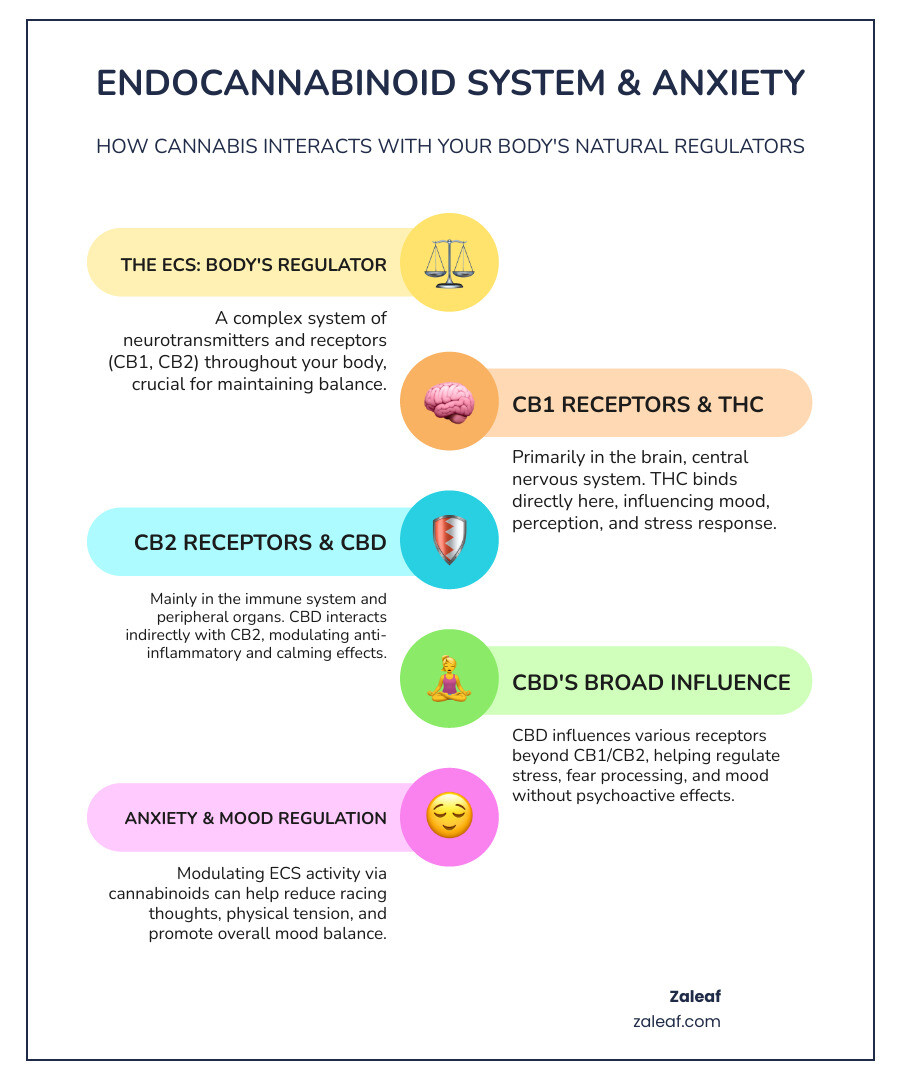
To find the best type of cannabis for anxiety, it's helpful to understand how compounds in the plant interact with your body. The key players are cannabinoids (like THC and CBD) and terpenes. Their combined effect, known as the "entourage effect," is more important than whether a strain is labeled "Indica" or "Sativa."
THC vs. CBD: The Yin and Yang of Anxiety Relief
THC (tetrahydrocannabinol) and CBD (cannabidiol) are the most well-known cannabinoids, and they affect anxiety in opposite ways.
THC is the compound responsible for the "high." In small doses, it can be relaxing. However, in larger amounts or for sensitive individuals, THC can trigger or worsen anxiety and paranoia. Research has shown that THC is primarily responsible for the psychoactive effects that can lead to paranoia. The effect of THC on anxiety is highly dose-dependent: a little may help, but too much can lead to panic.
CBD, on the other hand, is non-psychoactive. It's celebrated for its potential to ease anxiety without a high. Studies suggest CBD is effective for conditions like social anxiety disorder (SAD), PTSD, and general anxiety disorder (GAD). Brain scans show CBD can calm activity in the amygdala, the brain's "fear center." Importantly, CBD can also counteract some of THC's unwanted side effects, like racing thoughts, which is why many of the best strains for anxiety contain a significant amount of CBD.
Indica vs. Sativa vs. Hybrid: Finding Your Functional Calm
The traditional cannabis wisdom is Indica for relaxation and Sativa for energy. While a useful starting point, the reality is more complex.
Indica: Traditionally used for deep relaxation, a "body high," and sleep. They are often preferred for evening use to wind down or manage anxiety that disrupts sleep.
Sativa: Known for uplifting, energetic, and creative effects. While this can help with anxiety-related mental fog, Sativas often have higher THC levels, which can increase anxiety or paranoia for some.
Hybrid: A mix of Indica and Sativa genetics, aiming to combine the best qualities of both. Effects can range from balanced and mellow to more energizing or sedating.
Modern research shows that a strain's specific chemical profile—its unique mix of cannabinoids and terpenes—is a much better predictor of its effects than the Indica/Sativa label. For more on how cannabis can support overall well-being, check out our guide on More info about cannabis for wellness.
Let's quickly compare these types for anxiety:
| Strain Type | Typical Effects for Anxiety | Potential Considerations |
|---|---|---|
| Indica | Deep relaxation, sedation, body calm, helps with sleep. Often best for evening use. | Might make you too sleepy or cause "couch lock." Some high-THC Indicas could still make sensitive users feel paranoid. |
| Sativa | Uplifting, energetic, mood-boosting, can help with focus and creativity. | Higher THC levels can increase anxiety, paranoia, or overstimulation for some. Not ideal if you're looking for strong relaxation. |
| Hybrid | Effects vary a lot depending on their genetics. Can offer balanced effects, combining relaxation with clear thinking. | Effects can be hard to predict if you don't know the specific cannabinoid and terpene profile. |
The Unsung Heroes: Terpenes That Tame Tension
Beyond cannabinoids, terpenes are aromatic compounds that give cannabis its unique smell and flavor. They also play a crucial role in the entourage effect, influencing how a strain affects your anxiety.
Here are key terpenes for anxiety relief:
Myrcene: Has a musky, earthy scent and is known for its calming, muscle-relaxing effects. It's common in Indica strains like Granddaddy Purple and helps combat physical tension from anxiety.
Linalool: Found in lavender, this terpene has a floral scent and is famous for its calming, anti-anxiety properties.
Limonene: Smells like citrus and is linked to mood elevation and stress relief. It can be uplifting, which is helpful for anxiety tied to low energy, but works best when balanced with other calming terpenes.
Beta-Caryophyllene: With a spicy, peppery scent, this terpene interacts with CB2 receptors, which are involved in inflammation and pain. It's known for anti-inflammatory and anti-anxiety benefits and is thought to help stabilize mood.
When seeking the best type of cannabis for anxiety, considering the terpene profile alongside cannabinoid levels will lead to a more personalized and effective experience.
The Best Type of Cannabis for Anxiety: Top Strains to Try
Now for the practical part: which strains should you try? Individual biochemistry means results will vary. What works for one person might not work for you. This list is a starting point based on user reports and chemical profiles, categorized by your experience level and needs.
High-CBD, Low-THC Strains: The best type of cannabis for anxiety without a strong high
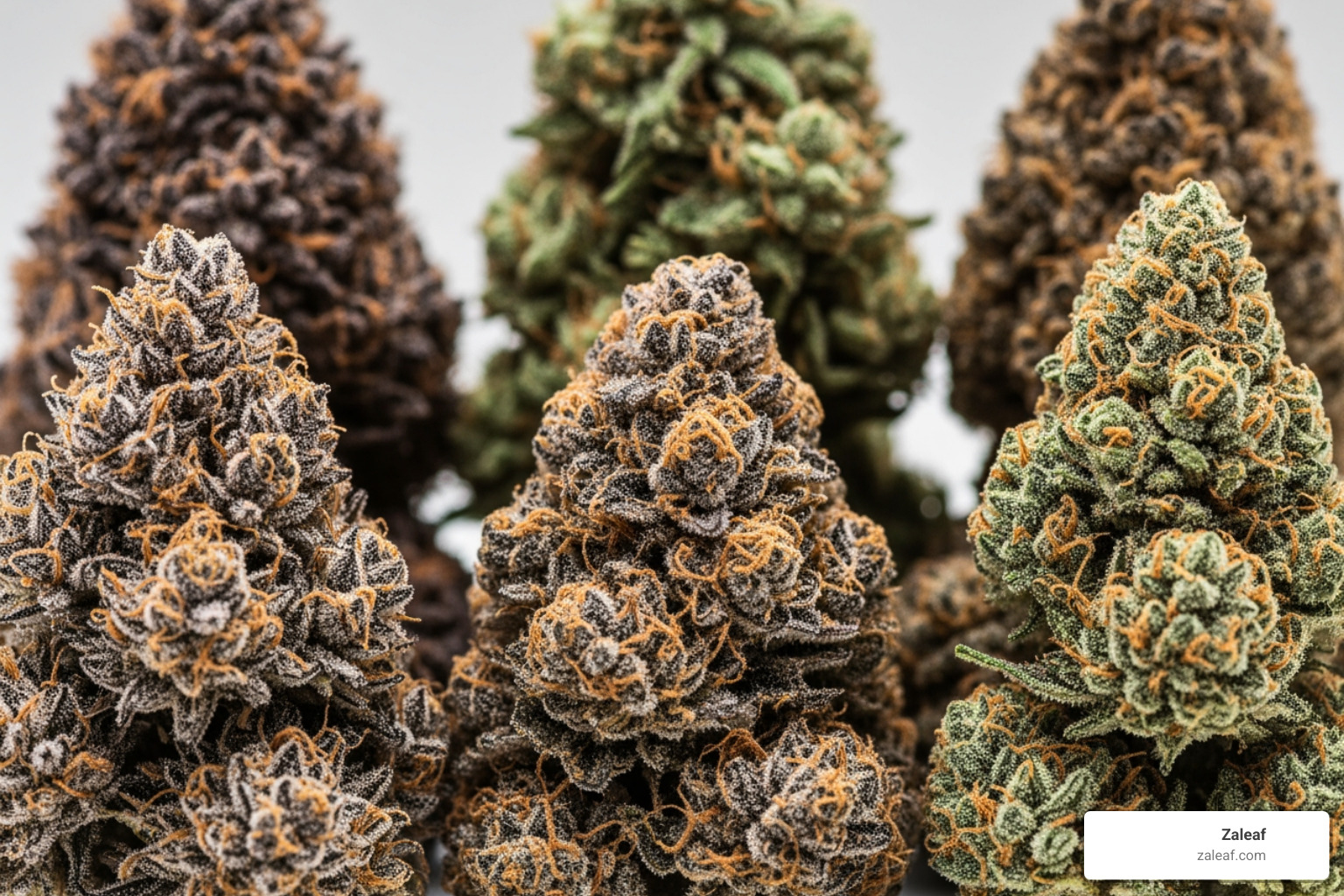
If you're new to cannabis or sensitive to THC, these strains are your safest bet. They offer calming benefits without the intense psychoactive effects that can trigger paranoia.
ACDC: Often considered the gold standard, ACDC has a 20:1 CBD to THC ratio. It provides deep relaxation without mental fog, making it a top choice for chronic stress and generalized anxiety with virtually no risk of paranoia.
Ringo's Gift: With a typical 13:1 CBD to THC ratio (sometimes as high as 24:1), this strain provides a sense of quiet clarity. Users report feeling calmer without impaired thinking, making it great for managing anxiety in challenging situations.
Harle-Tsu: A cross between Harlequin and Sour Tsunami, it averages around 13% CBD. It delivers gentle, relaxing effects that ease physical tension while keeping the mind clear and functional.
For a deeper dive into how CBD oils work for stress, our Detailed Guide to CBD Oil for Stress: Effectiveness has more information.
Balanced CBD:THC Strains: The Goldilocks Zone for Anxiety
These strains offer a middle ground, combining CBD's calming properties with a small, manageable amount of THC for mild euphoria. This category is for you if you want to feel some effects without being overwhelmed.
Harlequin: A star performer with a consistent 5:2 CBD to THC ratio. It lifts your mood and quiets anxious thoughts without overstimulation, making it excellent for social anxiety as it takes the edge off while allowing for clear-headed focus.
Cannatonic: This strain delivers a calming body effect with mental clarity. It's perfect for activities that benefit from a focused mind, like yoga or creative work, as it relaxes muscles and slows racing thoughts without causing confusion.
Sour Tsunami: Typically offering a 13:1 CBD to THC ratio, this strain provides relaxation and mood elevation without a heavy body sensation. Users report feeling happier and more focused with significant anxiety relief.
Balanced strains are versatile, offering stress reduction, mild mood elevation, and gentle relaxation without heavy sedation. They are the "just right" option for many seeking the best type of cannabis for anxiety.
Calming High-THC Strains: For Experienced Users
Warning: High-THC strains can worsen anxiety for many people. However, for experienced users who know their tolerance, certain Indica-dominant strains offer profound relaxation. These are strictly for evening use when you're ready to unwind completely.
Granddaddy Purple (GDP): This legendary Indica provides deep, full-body relaxation that quiets anxious thoughts. High in the terpene myrcene, it's like a "weighted blanket of cannabis," ideal for physical tension and sleep-related anxiety.
Northern Lights: Another potent Indica, it combines euphoria with deep relaxation. It contains beta-caryophyllene and limonene, which support mood and stress relief. The effects settle into a peaceful state, making it best for bedtime.
Skywalker OG: A significant number of users (around 35%) report excellent anxiety relief from this Indica-dominant hybrid. It delivers potent, relaxing effects that melt away stress, making it another great choice for evening use.
Always start with a very low dose when trying a high-THC strain for anxiety. The line between therapeutic and overwhelming is thin. For more controlled dosing, consider edibles, as discussed in our guide on Sweet Relief: Comparing Anxiety Gummies for Calmness.
Smart & Safe Consumption: Dosing, Methods, and Considerations
Finding the best type of cannabis for anxiety also involves how you use it. The right consumption method and dose are crucial for achieving calm instead of more anxiety.

Finding Your Dose and the Best Type of Cannabis for Anxiety
Always follow the golden rule: "start low and go slow." This is the smartest approach for anyone using cannabis for anxiety, as your body's response is unique.
Microdosing, or taking very small amounts (e.g., 2.5-5mg of THC), is popular for anxiety. The goal is to get therapeutic effects without a significant high. Many find that less is more for anxiety relief.
Titration is the process of gradually increasing your dose over time to find your personal sweet spot—the minimum effective dose without side effects. Keep a journal to track your dose, method, and feelings to identify what works best.
Most importantly, wait for the effects before taking more. This is especially true for edibles, which can take 30 minutes to 2 hours to kick in. Taking a second dose too soon is a common mistake that leads to an uncomfortably intense experience.
Inhaling vs. Ingesting: How Consumption Method Matters
Your consumption method dramatically changes the experience, including onset time and duration.
Smoking/Vaping: Inhaling provides the fastest relief (within minutes) as cannabinoids enter the bloodstream via the lungs. This is ideal for acute anxiety attacks. Vaping is a less irritating alternative to smoking, as it heats cannabis without combustion. Our Unlock Your Zen: Your Essential CBD Vape Guide has more details.
Edibles: Gummies, chocolates, and capsules are processed through the digestive system, leading to a slow onset (30-120 minutes) but much longer-lasting effects (4-8+ hours). This makes them great for sustained relief, but patience is key.
Oils and Tinctures: Placed under the tongue (sublingually), these offer a middle ground. Effects begin in 15-45 minutes and last for several hours. Tinctures allow for very precise dosing and avoid lung irritation.
Potential Risks and Adjunctive Use
While beneficial, it's important to be aware of potential downsides. Common side effects include dry mouth, red eyes, and dizziness. For anxiety sufferers, high-THC products can sometimes cause an increased heart rate, paranoia, or orthostatic hypotension (dizziness upon standing), which can be alarming.
Drug interactions are a serious consideration. CBD can interfere with liver enzymes that process many common medications, including some antidepressants and blood thinners. Always talk to your doctor before combining cannabis with other medications.
Cannabis is not a cure for anxiety and shouldn't replace professional treatment. It's best used as an adjunct to therapy, exercise, and other healthy practices. It can take the edge off while you work on deeper healing.
Finally, know the law. Hemp-derived CBD products with less than 0.3% Delta-9 THC are federally legal in the US, which is why Zaleaf can ship quality-tested products nationwide without an ID or medical card. However, state laws for higher-THC products vary. Check your state's status at State medical marijuana laws. Never drive under the influence, even where cannabis is legal.
Frequently Asked Questions about Cannabis for Anxiety
It's smart to have questions when considering cannabis for anxiety. Here are honest answers to some of the most common ones.
Can cannabis make anxiety worse?
Yes, it absolutely can. The primary culprit is usually high-THC cannabis, especially in large doses. THC can trigger racing thoughts, increased heart rate, and paranoia. Some stimulating Sativa strains can also cause jitteriness. This is why we emphasize starting with high-CBD, low-THC options. CBD acts as a buffer, counteracting THC's potential negative effects and promoting a calmer experience. Proper dosing and strain selection are key to avoiding a negative reaction.
What's the optimal CBD to THC ratio for anxiety?
There is no single "optimal" ratio for everyone; it depends on your personal biochemistry and tolerance. However, here are some general guidelines:
High-CBD Ratios (e.g., 20:1 CBD:THC): Best for beginners or those sensitive to THC. These provide anxiety relief with little to no psychoactive high, minimizing the risk of paranoia.
Balanced Ratios (e.g., 1:1 to 5:2 CBD:THC): A good middle ground. These offer more noticeable effects, often with a mild, manageable euphoria. The CBD helps keep the experience calm.
High-THC Ratios: Generally not recommended for anxiety, especially for new users. If you choose this route, proceed with extreme caution and microdosing.
Personal experimentation, starting with a low dose, is the only way to find what works best for you.
Is it legal to use cannabis for anxiety?
The legality of cannabis is complex and varies by location. In the United States, the 2018 Farm Bill made hemp-derived products containing less than 0.3% Delta-9 THC federally legal. This means many high-CBD and balanced CBD:THC products are widely accessible.
At Zaleaf, we offer 100% legal cannabis products that comply with this law, shipping them discretely nationwide with no ID or medical card required. This makes cannabinoid wellness accessible to all adults.
Laws for cannabis with higher THC content are determined by individual states. Some have legalized it for medical or recreational use, while others have not. Always check your local laws before purchasing or consuming any cannabis product. You can consult resources like the State medical marijuana laws page for up-to-date information.
Conclusion
Finding the best type of cannabis for anxiety is a personal journey, but it's one you can steer with confidence. By understanding how cannabis works, you can find what's right for your body and mind.
We've covered why CBD-rich strains are the safest starting point, how terpenes like myrcene and linalool shape your experience, and why the "start low and go slow" principle is essential. High-CBD options like ACDC offer clear-headed calm, balanced strains like Harlequin provide gentle relaxation, and certain Indicas may offer evening relief for experienced users.
The key takeaway is that not all cannabis is the same. Understanding cannabinoid ratios and consumption methods is critical to achieving positive results.
Cannabis is a tool in your wellness toolkit, not a magic cure. It works best alongside healthy practices like therapy and exercise. Always consult with healthcare professionals, especially if you take other medications.
At Zaleaf, we believe quality and consistency are paramount for relief. We carefully improve cannabinoid and terpene profiles for specific moods, and every product undergoes rigorous 3rd party testing. We've made cannabinoid wellness simple and accessible—no ID or medical card required, just fast, discrete shipping to your door.
Ready to find your calm? Explore our full range of products for relaxation and stress relief and find how the right cannabis can help you chill out and find your strain.