

Relief in the Clouds: A Guide to Pain Relief Vapes
When the Pain Won't Quit: What You Need to Know About Pain Relief Vapes

A pain relief vape is one of the fastest-acting options available for managing chronic and neuropathic pain — delivering cannabinoids directly to your bloodstream through your lungs in a matter of seconds.
Here is a quick breakdown of what matters most:
| What You Want to Know | Quick Answer |
|---|---|
| Fastest onset method | Vaping (under 5 minutes) |
| Best for nighttime pain | Indica, high-THC or balanced THC/CBD |
| Best for daytime use without a high | CBD-dominant or 2:1 CBD/THC vape |
| Typical relief duration | 1 to 3 hours |
| Beginner starting point | One small puff, wait 10 minutes |
| Safe with other medications? | Consult your doctor first |
For many people, chronic pain is not just a physical problem — it takes over your evenings, your sleep, and your peace of mind. One patient described it simply: "My feet hurt all the time. By evening they scream at me." That kind of daily grind is exactly why so many people are turning to vaping as a targeted, fast-acting option when traditional medications fall short.
This guide walks you through everything you need to make a smart, informed choice — from cannabinoid ratios and strain types to safety, tolerance, and when to consider non-inhalation alternatives.
I'm Max Shemesh, Owner and CEO of Zaleaf, and I've spent years helping customers navigate the cannabinoid space to find effective, lab-tested pain relief vape products that actually deliver. My work building Zaleaf across 10+ U.S. markets has given me a front-row seat to what works — and what doesn't — for real people managing real pain.
Explore more about Pain relief vape:
Choosing the Right Pain Relief Vape for Your Needs
Finding the perfect pain relief vape is not a one-size-fits-all journey. Because cannabis interacts directly with your body’s unique endocannabinoid system, the compound profile you choose dictates the kind of relief you will experience.
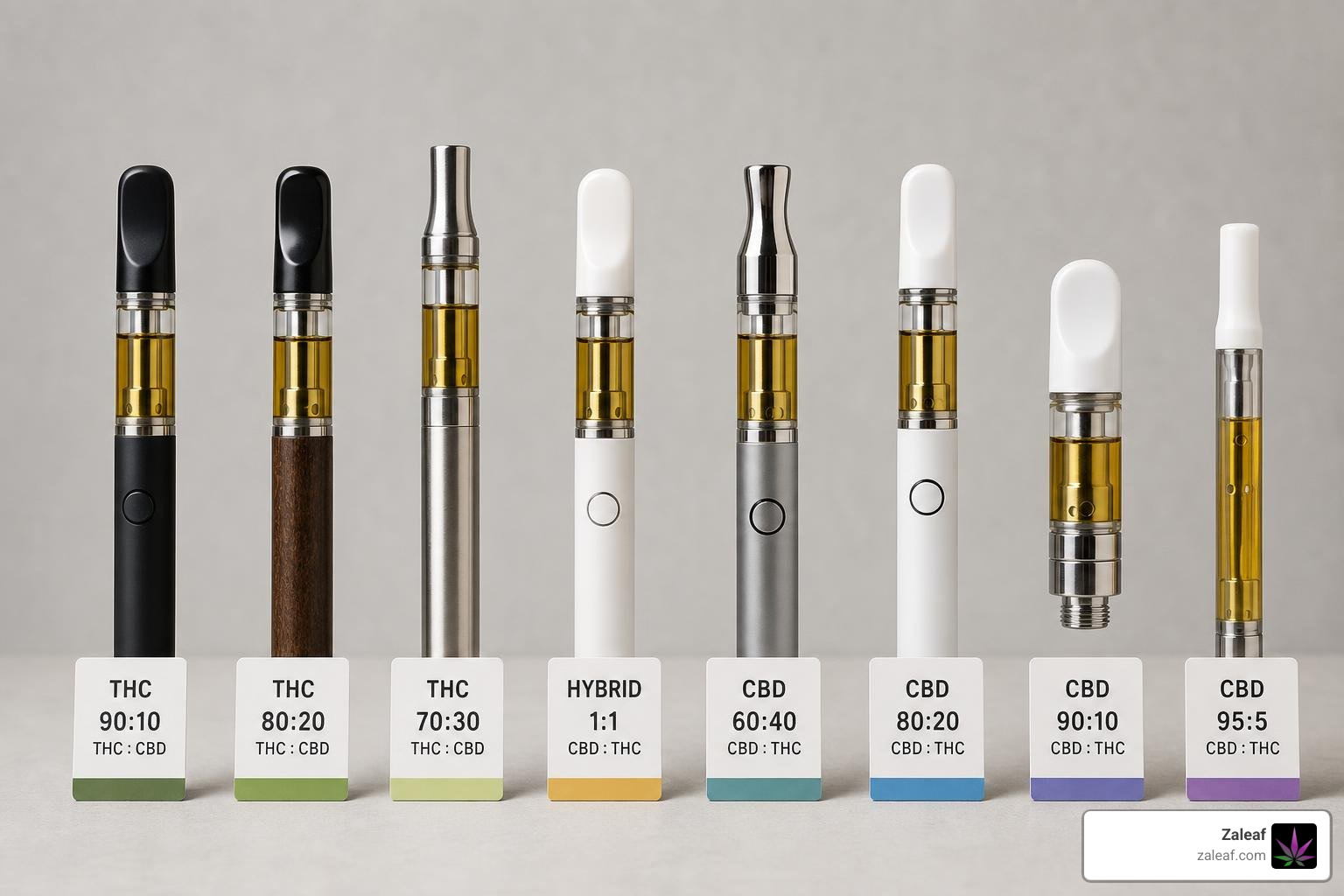
When selecting a vaporizer cartridge, you will typically choose between three core cannabinoid profiles:
- THC-Dominant: These options contain high concentrations of Tetrahydrocannabinol (THC). While they are highly effective at altering pain perception and promoting deep muscle relaxation, they also carry psychoactive effects (the classic "high").
- CBD-Dominant: These formulas focus on Cannabidiol (CBD). They are designed to target inflammation and soothe nerve pain without causing any mental cloudiness or intoxication.
- Hybrid Ratios (Balanced): Products that combine both cannabinoids (such as a 1:1 or 2:1 CBD to THC ratio) harness the "entourage effect." This is a biological synergy where CBD and THC work together to enhance pain-relieving properties while reducing the intensity of THC's psychoactive side effects.
To dive deeper into how these compounds interact with your body to promote physical ease, check out our guide on Cannabis for Wellness: Exploring Its Role in Relaxation, Pain and Stress.
The Role of Indica vs. Sativa Strains and Cannabinoid Ratios
If you decide to use a vape that contains THC, the strain family—Indica or Sativa—plays a major role in how your body processes pain relief and energy.
- Indica Strains: Known for their deep physical sedation and "body high" characteristics, Indica strains are the gold standard for evening pain management. For example, a single inhalation of a high-THC (77.18%) Indica vape cartridge (like Purple Punch, featuring a rich 5.74% terpene profile) has been shown in patient reports to provide up to 90 minutes of rapid, intense neuropathic pain relief, followed by peaceful sleep. To understand why these heavy strains are so effective at turning off physical discomfort, read our deep dive on Indica for Pain.
- Sativa Strains: These strains are typically more uplifting and mentally stimulating. They are better suited for daytime use, though they may not offer the same level of deep muscle relaxation as Indicas.
- Balanced Ratios (2:1 CBD/THC): For functional daytime relief, many patients prefer a 2:1 CBD to THC ratio. The higher concentration of CBD keeps your mind clear and active, while the small amount of THC acts as a key to unlock more powerful pain receptors, offering a balanced middle ground.
Non-Psychoactive Alternatives: Finding a Pain Relief Vape Without the High
What if you want the fast-acting benefits of a vape but absolutely do not want to feel high? This is a very common concern, especially for older adults or those who need to remain sharp for work.
For these situations, non-psychoactive, CBD-only, or highly CBD-dominant vapes are the ideal solution. These formulas bypass the CB1 receptors in the brain (which trigger the high) and instead target CB2 receptors and vanilloid receptors, which regulate inflammation and pain signals.
This approach is highly beneficial for localized or structural issues like peripheral neuropathy or severe joint pain. Consider the real-world case of a 73-year-old patient suffering from muscular dystrophy, a shattered L5 vertebra, and bone-on-bone shoulder pain. Traditional opioids like hydrocodone combined with Tylenol failed to offer any relief. For a patient with this level of structural damage, a high-quality CBD-dominant vape provides a fast, non-addictive way to ease agonizing joint inflammation without affecting their balance or mental clarity.
To learn more about how CBD targets these specific pathways, explore our article Pain Begone: The Role of CBD Vapes in Relief.
Vaping vs. Other Medical Cannabis Formats for Neuropathic Pain
Neuropathic (nerve) pain is famously difficult to treat because it stems from damaged or misfiring nerves rather than simple tissue inflammation. When deciding how to administer cannabis for nerve pain, it helps to compare the primary delivery methods side-by-side:
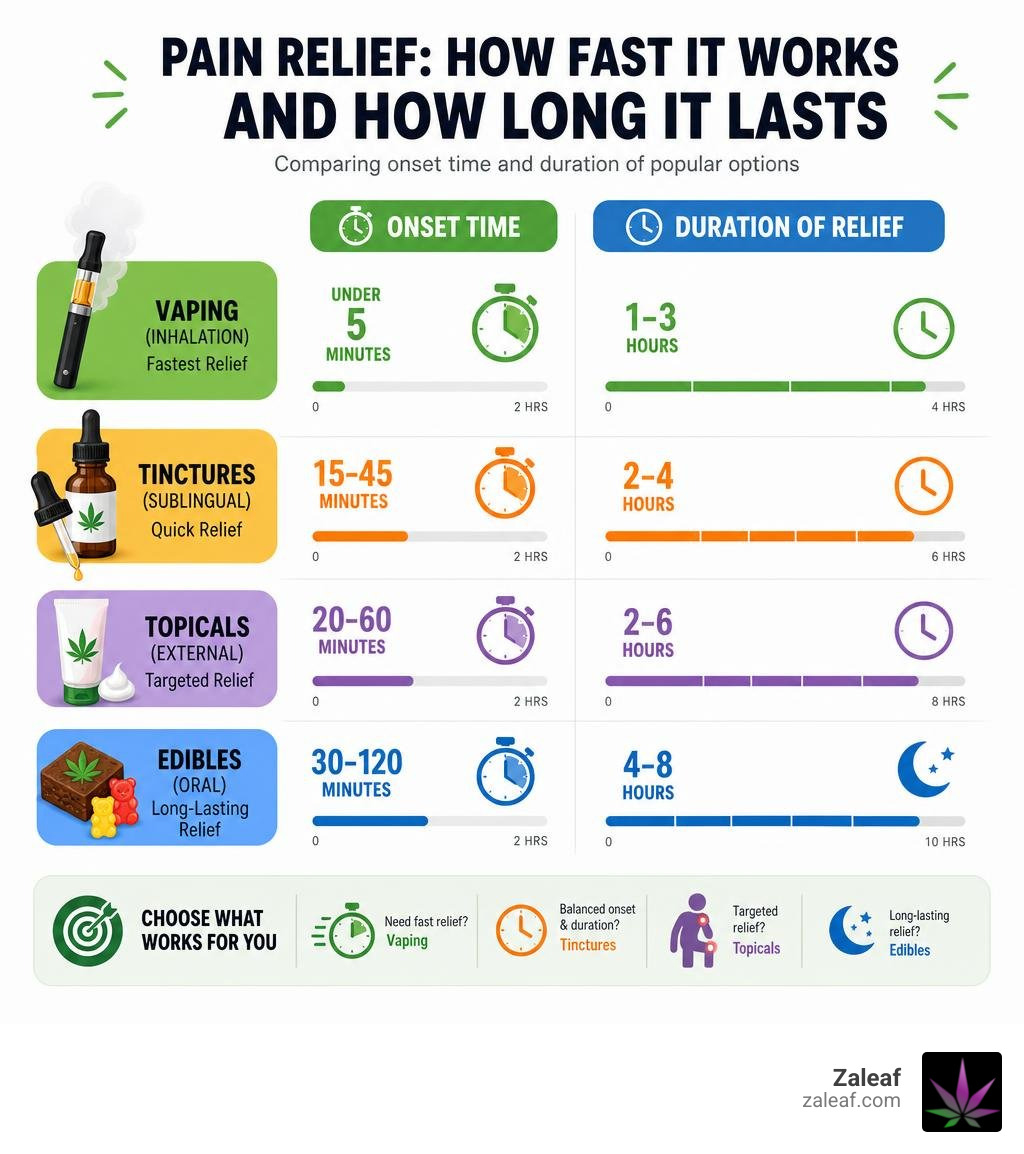
| Administration Method | Onset Time | Duration of Relief | Best Used For |
|---|---|---|---|
| Vaping | 1 to 5 minutes | 1 to 3 hours | Sudden pain spikes, evening sleep onset, breakthrough nerve pain |
| Sublingual Tinctures | 15 to 45 minutes | 4 to 6 hours | Steady, baseline daytime pain management |
| Topicals (Creams/Balms) | 10 to 30 minutes | 2 to 4 hours | Localized joint pain, arthritis, burning sensations in hands/feet |
| Edibles (Gummies/Capsules) | 45 to 120 minutes | 6 to 8 hours | Long-lasting overnight pain relief, chronic back pain |
While clinical resources like the WebMD Pain Management Center outline standard medical interventions, cannabinoids offer a highly customizable alternative.
For those who prefer a slow-release, long-lasting option over inhalation, edibles can be incredibly helpful. You can learn about these alternatives in our guides on Soothing Your Aches: Best Cannabis Edibles for Pain Relief and CBD Oil Drops for Stress Pain.
When to Transition from Vaping to Tinctures and Topicals
While a pain relief vape is unmatched in its speed, it is not always the best long-term option for every patient.
Some long-term medical cannabis users—such as one patient who successfully managed severe neuropathic pain for nine years—eventually choose to transition entirely away from vaping to sublingual tinctures and localized topicals. The main driver for this transition is often lung health. Over years of daily use, inhaling concentrated vapor can cause mild airway irritation.
Additionally, because neuropathic pain is often a progressive condition, some patients find that their pain levels naturally increase over time. Relying solely on a vape means you have to puff more frequently, which can accelerate tolerance. Transitioning to a baseline daily tincture dose, supplemented with topicals directly on painful areas (like burning feet or hands), allows for steady, 24-hour relief without putting extra stress on your lungs.
For a comprehensive look at how systemic CBD oils can support your body long-term, read our resource CBD Oil Your Guide to Its Potential Health Advantages.
Managing Tolerance and Safety with Long-Term Vape Use
One of the most common anxieties for chronic pain patients is tolerance. It is a frustrating cycle: you find a remedy that finally works, only to find that after a few weeks, you need twice as much to get the same relief.
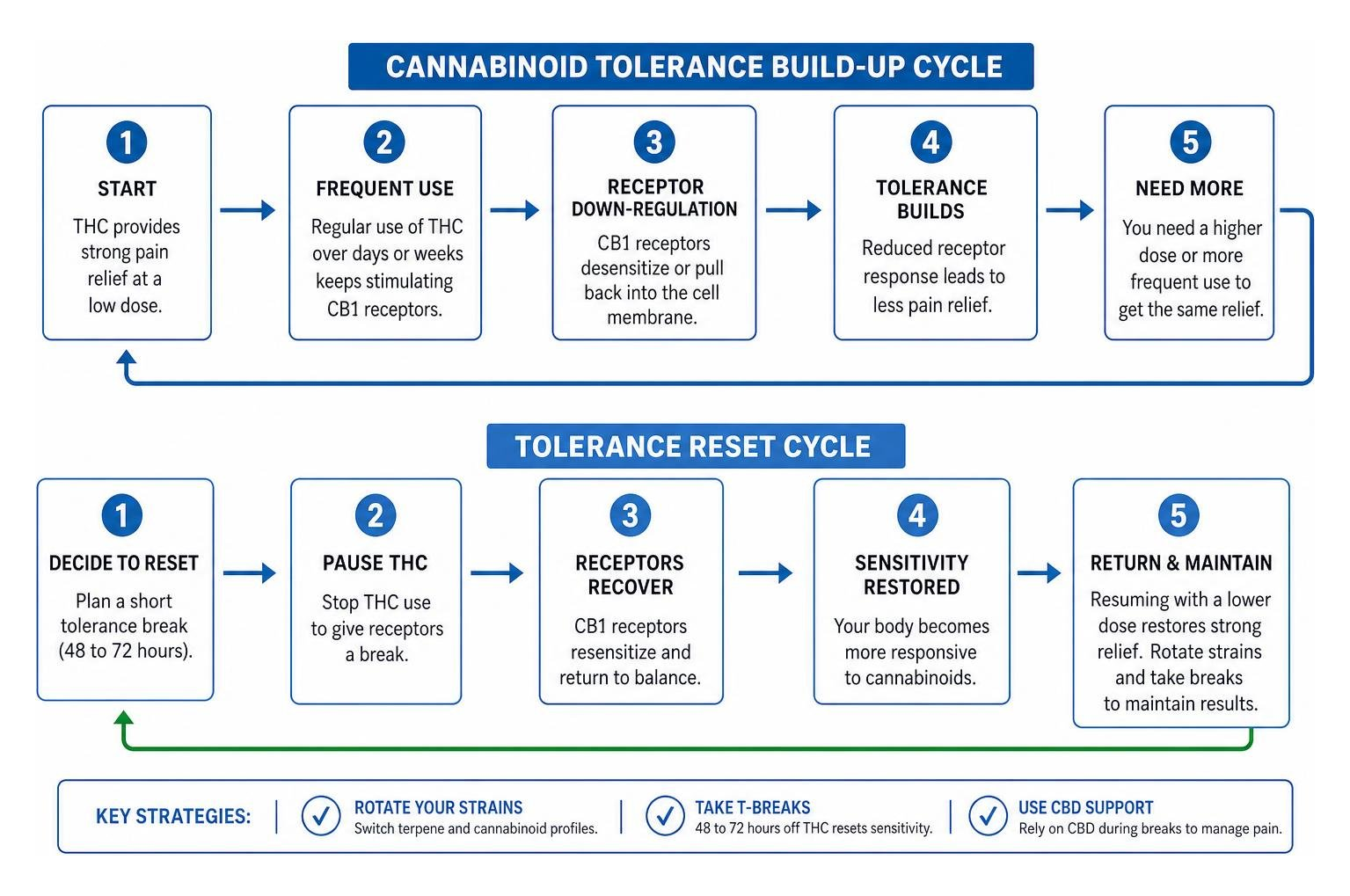
When you consume THC frequently, the cannabinoid receptors in your brain (specifically CB1 receptors) temporarily desensitize or pull back into the cell membrane. This is called receptor down-regulation.
To keep your pain relief vape working effectively over the long term without constantly increasing your dose, we recommend practicing these proactive strategies:
- Rotate Your Strains: Do not stick to the exact same vape cartridge month after month. Switch between different terpene and cannabinoid profiles to keep your receptors active and responsive.
- Incorporate "T-Breaks" (Tolerance Breaks): Taking a break from THC for just 48 to 72 hours can significantly reset your receptor sensitivity. During these breaks, you can rely on pure CBD products to keep your pain managed.
- Use Alternative Formats: Use your vape only for sudden, acute pain spikes, and rely on oral options for your steady baseline relief. You can explore these alternative ingestion methods in our article Exploring THC Gummies: A Sweet Solution for Pain Management.
How to Use a Pain Relief Vape Safely as a Beginner
If you are brand new to vaping, the golden rule is simple: start low and go slow.
Modern vape cartridges are highly concentrated. For example, a premium Indica distillate cartridge like Purple Punch can sit at a potent 77.18% THC. For a beginner, a large, deep draw from a cartridge like this can easily lead to unwanted anxiety, dizziness, or intense drowsiness.
Instead, practice microdosing:
- Take a single, very gentle puff lasting no more than 1 to 2 seconds.
- Inhale fully into your lungs, then exhale normally (there is no need to hold the vapor in your lungs).
- Wait at least 10 to 15 minutes to evaluate how you feel before even thinking about taking another puff.
By starting with a single puff, you can find your "minimum effective dose"—the smallest amount of cannabis required to ease your pain without causing unwanted side effects. For more tips on starting your wellness journey with cannabinoids, see Unlocking Wellness: The Top CBD Benefits Explained.
Potential Risks, Lung Health, and Drug Interactions
While vaping is widely considered a cleaner alternative to smoking raw plant material (as it eliminates combustion and smoke toxins), it is not entirely risk-free.
First, lung health should always be a priority. It is vital to only buy vapes that are completely free of harmful thinning agents like Vitamin E acetate, PG (propylene glycol), and VG (vegetable glycerin).
Second, if you take prescription medications for nerve pain, you must watch out for drug interactions. For example, many neuropathic pain patients take high daily doses of Gabapentin (often up to 2400 mg daily, with medical limits extending up to 5000 mg/day) or anti-anxiety nerve medications like Duloxetine (which can range from 30 mg to 120 mg daily).
Because both cannabis and medications like Gabapentin depress the central nervous system, combining them can amplify side effects like dizziness, motor impairment, and extreme drowsiness. Interestingly, some patients report that a single puff of a pain relief vape actually provides superior relief to their 2400 mg Gabapentin regimen, which they noted only dulled their pain by "a point or two." However, you should never alter your prescribed medication doses without direct supervision from your doctor.
For more clinical information on how neuropathic conditions progress and are managed, you can refer to the Mayo Clinic's Guide on Peripheral Neuropathy.
Accessing Medical Cannabis and Special Considerations for Older Adults
Navigating state-run medical cannabis programs can feel overwhelming, especially in states like Florida or Alabama where regulations are constantly shifting.
For older adults dealing with severe, age-related structural injuries—such as a shattered L5 vertebra, bone-on-bone joint friction, or progressive conditions like muscular dystrophy—getting a medical card can feel like a mountain of paperwork. Furthermore, many older patients find themselves highly resistant to traditional prescription opioids like hydrocodone, which can cause severe constipation, cognitive fog, and addiction risks.
This is where federal regulations offer a convenient alternative. Thanks to the Farm Bill, high-quality, hemp-derived cannabinoids (including CBD, Delta-9 THC, and therapeutic terpenes) are 100% federally legal and can be shipped directly to your door.
At Zaleaf, we specialize in crafting clean, lab-tested cannabinoid profiles tailored for specific moods and physical relief. Because our products are fully legal under federal law, no medical card or ID is required to order. We deliver our premium, third-party tested vapes directly to your home in discrete packaging, making physical relief accessible to everyone, regardless of state-level medical card hurdles.
Frequently Asked Questions About Pain Relief Vapes
Will frequent use of a pain relief vape cause me to build a tolerance?
Yes. Regular use of THC-dominant vapes will eventually cause your body to build a tolerance, meaning you will need more of the product to achieve the same level of pain relief. To prevent this, we recommend rotating your strains, utilizing balanced CBD/THC ratios, and incorporating regular 48-hour tolerance breaks where you switch exclusively to non-psychoactive CBD vapes or tinctures.
Can I use a vape if I am currently taking Gabapentin for nerve pain?
While many patients report that a single vape puff provides faster and more effective relief than high doses of Gabapentin (such as 2400 mg daily), combining the two can increase drowsiness and dizziness. You should always consult with your primary care physician before introducing cannabis to your routine, and never abruptly stop or adjust your prescribed Gabapentin dosage on your own.
What is the best cannabinoid ratio for daytime pain relief without sedation?
For daytime use, a 2:1 CBD to THC ratio is highly recommended. The high concentration of CBD helps block the psychoactive "high" and prevents drowsiness, while the small amount of THC works behind the scenes to maximize pain relief, allowing you to stay focused, active, and pain-free throughout the day.
Conclusion
When you are living with chronic or neuropathic pain, waiting hours for a pill to kick in is simply not an option. A high-quality pain relief vape offers a fast, reliable, and highly customizable way to reclaim your day and get a peaceful night's sleep.
At Zaleaf, we believe you shouldn't have to jump through administrative hoops or worry about what is inside your vape cartridge. We offer 100% legal, premium cannabinoid products with fast shipping and discrete packaging delivered straight to your door—no medical card or ID required. We specialize in enhancing specific cannabinoid and terpene profiles to give you targeted physical relief, and every single batch we produce undergoes rigorous independent testing.
To learn more about how we verify the safety and clean profile of our products, check out our guide on Beyond the Label: Understanding Purity Testing in Vapes, and explore our collection today to find the perfect cloud of relief for your needs.