

The Great Debate: Indica vs Sativa for Pain Management
Why Understanding Indica for Pain Matters
Indica for pain has become one of the most searched topics among people seeking natural alternatives to traditional pain medications. If you're suffering from chronic discomfort, you're not alone—nearly 50 million Americans deal with chronic pain daily, according to the CDC. Many are turning to cannabis as a potential solution.
Quick Answer: Is Indica Good for Pain Relief?
- Best for: Chronic pain, muscle spasms, inflammation, arthritis, fibromyalgia, and nighttime pain relief
- Primary benefits: Full-body relaxation, sedation, sleep support
- Key compounds: Higher CBD levels, relaxing terpenes like myrcene and caryophyllene
- Ideal timing: Evening or nighttime use due to sedating effects
- Common side effects: Drowsiness, dry mouth, increased appetite
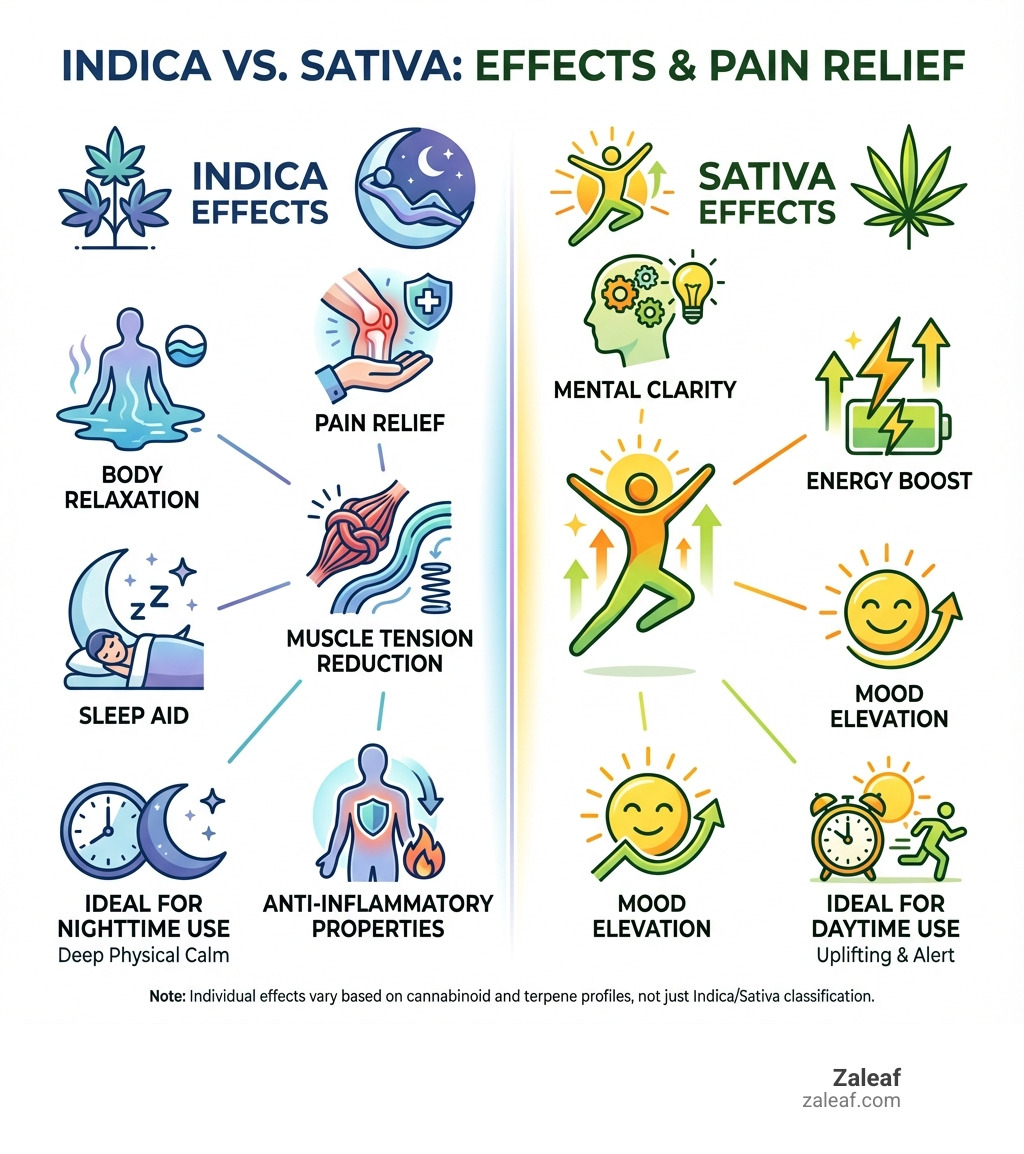
The traditional belief is simple: Indica strains provide deep physical relaxation and body-centered relief, making them ideal for managing pain. Sativa strains offer more energizing effects better suited for daytime use. But is this distinction scientifically accurate? And more importantly, which type actually works better for your pain?
The reality is more complex than the old indica-versus-sativa debate suggests. Modern cannabis science shows that cannabinoid profiles (like THC and CBD ratios) and terpene content matter far more than whether a plant is short and bushy or tall and thin. Yet understanding these traditional categories remains helpful as a starting point for finding effective pain relief.
I'm Max Shemesh, Owner & CEO of Zaleaf, where I've spent years helping thousands of customers find high-quality cannabinoid products for pain management. Through extensive work with indica for pain formulations and customer feedback, I've seen how the right cannabis products can transform people's relationship with chronic discomfort.
Indica vs. Sativa: Deconstructing the Classic Cannabis Categories
When we talk about cannabis, the terms "Indica" and "Sativa" are often the first distinctions we learn. These classifications traditionally describe both the physical characteristics of the plant and the general effects they are believed to produce. But what exactly are these differences, and how much do they really dictate the experience, especially when it comes to indica for pain?
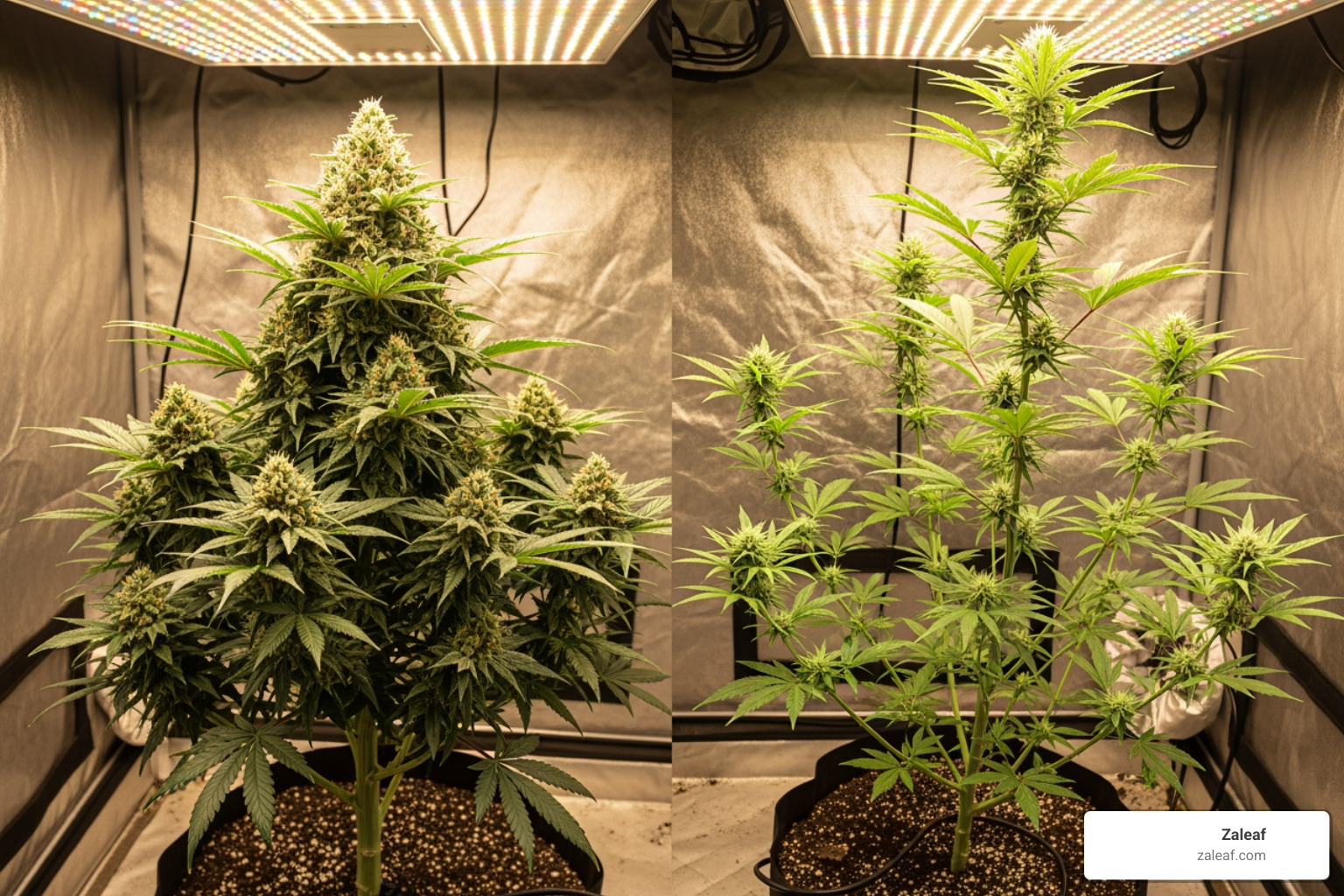
Historically, Indica plants (Cannabis indica) are native to the Hindu Kush mountains of Afghanistan, India, and Pakistan. They adapted to colder, harsher climates, resulting in a plant that is typically:
- Shorter and bushier: With strong, resilient branches.
- Broad, "chunky" leaves: Often dark green.
- Shorter flowering cycles: Making them quicker to cultivate.
These physical traits are often linked to the "traditional effects" attributed to Indica strains: a profound "body high," often described as "in-da-couch" because of its deeply relaxing and sedating properties. They are thought to be perfect for unwinding in the evening, soothing muscles, and aiding sleep.
On the other hand, Sativa plants (Cannabis sativa) originate from warmer, more equatorial regions like Africa, Central America, and Southeast Asia. Their physical characteristics reflect this environment:
- Taller and slender: With longer, more spread-out branches.
- Thin, pointed leaves: Often lighter green.
- Longer flowering cycles: Requiring more time to mature.
Sativa strains are traditionally associated with uplifting, energizing, and cerebral effects. They are believed to stimulate creativity, boost mood, and provide a more alert and focused experience, making them suitable for daytime use.
However, the modern understanding of cannabis has evolved beyond these simplistic categories. While these traditional classifications serve as a useful starting point, they don't tell the whole story. The effects of a cannabis strain are far more complex, influenced by a symphony of compounds rather than just its Indica or Sativa lineage. Many experts now prefer to talk about "chemovars" – chemical varieties – which focus on the specific cannabinoid and terpene profiles of a plant, rather than just its botanical classification. This nuanced approach acknowledges that a Sativa plant might have relaxing properties, and an Indica could occasionally be stimulating, depending on its unique chemical makeup.
The Science Behind How Cannabis Relieves Pain
To truly understand how cannabis, including indica for pain, offers relief, we need to dive into the fascinating world of our body's own regulatory system: the Endocannabinoid System (ECS). This complex network of receptors, endocannabinoids (compounds our body produces), and enzymes plays a crucial role in maintaining homeostasis, influencing everything from mood, appetite, memory, and—you guessed it—pain sensation.
The ECS has two primary cannabinoid receptors:
- CB1 receptors: Primarily found in the brain and central nervous nervous system. When activated, they can influence pain perception, mood, and motor control.
- CB2 receptors: Predominantly located in the peripheral nervous system, immune cells, and tissues throughout the body. Activation of CB2 receptors is often associated with anti-inflammatory effects and pain modulation.
The primary active compounds in cannabis, known as cannabinoids, interact with these receptors. The two most well-known cannabinoids are Tetrahydrocannabinol (THC) and Cannabidiol (CBD).
- THC (Tetrahydrocannabinol): This is the compound responsible for the psychoactive effects, or the "high," associated with cannabis. But beyond the buzz, THC is a potent analgesic (pain reliever). It primarily binds to CB1 receptors, reducing pain signals sent to the brain and offering a powerful distraction from discomfort. Its ability to relax muscles and induce euphoria also contributes significantly to overall pain relief.
- CBD (Cannabidiol): Unlike THC, CBD is non-psychoactive, meaning it doesn't produce a "high." Instead, CBD interacts with the ECS in a more indirect way, influencing CB2 receptors and other non-cannabinoid receptors. This interaction gives CBD its notable anti-inflammatory, anxiolytic (anti-anxiety), and pain-modulating properties. It can help reduce swelling, calm nerve pain, and alleviate general discomfort without the intoxicating effects of THC.
The magic truly happens when these compounds work together, a phenomenon known as the Entourage Effect. This theory suggests that cannabinoids, terpenes (aromatic compounds), and other plant compounds in cannabis work synergistically to improve each other's therapeutic benefits and mitigate potential side effects. For example, some patients using marijuana for pain relief report that strains with an equal balance of THC and CBD are often most effective, as the CBD can temper the psychoactive effects of THC while bolstering its pain-relieving capabilities.
Scientific research on cannabis use patterns, including a study published in PMC, suggests that users often select strains based on perceived effects, which are influenced by these complex chemical interactions. This further supports the idea that the full spectrum of compounds, rather than just THC or CBD alone, contributes to the overall therapeutic experience, especially for pain relief.
Terpenes: The Unsung Heroes of Pain Management
While cannabinoids like THC and CBD get most of the spotlight, terpenes are the aromatic compounds that give cannabis its distinctive smells and flavors, from earthy to citrusy. More importantly, they also contribute significantly to the plant's therapeutic effects, including pain relief. They are truly the unsung heroes, working in concert with cannabinoids to create the Entourage Effect.
Here are some specific terpenes commonly found in Indica strains and their associated benefits for pain relief:
- Myrcene: This is one of the most abundant terpenes in cannabis and is often associated with the classic "couch-lock" effect of Indica strains. Myrcene has sedative, relaxing, and powerful anti-inflammatory properties, making it excellent for muscle relaxation and reducing general aches and pains. It's thought to improve the permeability of cell membranes, allowing cannabinoids to be absorbed more effectively.
- Beta-Caryophyllene: Uniquely, caryophyllene is the only terpene known to directly interact with CB2 receptors in the ECS, similar to how CBD works. This makes it a powerful anti-inflammatory agent, particularly effective for chronic pain and inflammation. Research suggests caryophyllene may be a factor in helping to reduce pain. Its presence in many Indica strains contributes to their targeted relief.
- Linalool: Found also in lavender, linalool is known for its floral aroma and its anxiolytic (anti-anxiety), sedative, and pain-relieving properties. It can help calm the nervous system, reduce stress, and may even have local anesthetic effects, which can be beneficial for managing pain alongside anxiety.
- Pinene: As the name suggests, Pinene carries a pine-like aroma. It's known for its anti-inflammatory and bronchodilator properties. While more commonly associated with Sativa strains, it can be present in some Indicas and may help counteract some of the short-term memory impairment associated with THC.
- Limonene: With a citrusy scent, limonene is often found in Sativa strains and is associated with mood elevation and stress relief. However, its anti-inflammatory and pain-relieving properties can also be beneficial in certain Indica profiles, especially for pain that is exacerbated by stress or depression.
Understanding these terpene profiles allows us to make more informed choices when selecting cannabis for pain, moving beyond the simple Indica/Sativa label to a more personalized approach.
Finding the Right Fit: Is Indica for Pain Always the Best Choice?
Choosing the right cannabis strain for pain relief isn't a one-size-fits-all endeavor. While indica for pain is often touted as the go-to, the best choice for you depends on several factors: the type of pain you're experiencing, the time of day you need relief, and your personal goals for that relief.
We believe in personalizing your approach to pain management, recognizing that everyone's body chemistry and experience are unique. Our goal is to empower you with the knowledge to make informed decisions.
Why Indica for Pain is a Popular Choice
For many, Indica strains are indeed a popular and effective choice for pain management. Their traditional "body high" is often associated with profound physical relaxation, making them particularly well-suited for certain types of discomfort.
- Full-body relaxation: Indica strains excel at providing deep physical relaxation, helping to ease tension throughout the body. This can be incredibly beneficial for overall comfort.
- Muscle spasms and chronic inflammation: Pure Indica strains are often highly effective for chronic pain and inflammation, offering targeted relief for conditions like muscle spasms and joint pain. The combination of high THC content (for psychoactive effects and physical relief) and balancing CBD can work wonders.
- Neuropathic pain: Many people with chronic pain conditions, including neuropathic pain, turn to Indica for its reliable and potent pain-fighting properties. Strains like Do-Si-Dos are often found to be helpful for everything from migraine to nerve pain.
- Arthritis and Fibromyalgia: Indica strains are used for treating musculoskeletal pain, including fibromyalgia, arthritis, and back pain. The anti-inflammatory properties of cannabinoids and terpenes found in Indicas can help loosen tight muscles and reduce swelling around painful areas.
- Nighttime use and aiding sleep disrupted by pain: One of the most significant benefits of Indica strains is their ability to induce sleep. The sedative effects of strong Indica strains make them ideal for individuals needing a natural sleep aid, especially when chronic pain keeps them awake. Strains like Purple Kush and Ice Cream Cake are known to improve sleep quality by relaxing both mind and body, promoting longer, deeper sleep. This makes indica for pain a perfect choice for evening or nighttime use.
When to Consider Sativa or Hybrid Strains
While Indica is often the first thought for pain, it's not always the best solution, especially if you need to remain functional during the day. This is where Sativa and Hybrid strains shine.
- Pain accompanied by fatigue: If your pain leaves you feeling drained and lethargic, a Sativa strain might be more beneficial. Sativa can boost mental and physical energy for chronic fatigue without jitters, helping you stay active and focused longer, making work and regular tasks much easier to complete without feeling drained.
- Daytime pain management: Sativa strains are perfect for managing mild pain, headaches, or any discomfort during the day, providing pain relief without the "couch-lock" feeling associated with Indicas. Sativa can help manage headaches and migraines. They can also aid in managing chronic discomfort by diverting attention away from it and uplifting mood.
- Mood-lifting for pain-related depression: Chronic pain often comes with mental health challenges like depression and anxiety. Sativa strains can act as a mood booster, providing mental clarity and helping to manage depression symptoms. Users often find they can handle work, social situations, and everyday challenges with more confidence and less worry about anxiety symptoms.
- Hybrids for balanced effects: If you can't decide between Indica and Sativa, hybrid strains are the perfect middle ground. They offer a balance of Indica and Sativa effects, providing relaxation and relief without leaving you overly sedated or over-energized. This customizable relief makes them incredibly versatile. Hybrids can combine the deep physical comfort of Indica with Sativa’s calming effects, offering a complete approach to pain relief. For instance, a Sativa-dominant hybrid might provide pain relief with an energetic boost, while an Indica-dominant hybrid might offer profound relaxation with some mental uplift.
The best approach is to consider your individual needs and lifestyle. We encourage you to explore our selection of Sativa, Indica, and Hybrid vape pens to find your ideal balance.
Top Recommended Indica Strains for Pain
When seeking indica for pain, certain strains have garnered a reputation for their exceptional pain-relieving properties. These strains are often highlighted by users and experts for their consistent effects. While individual experiences can vary, these are some of the most commonly recommended Indica strains:

Here's a list of top Indica strains for pain, along with their reported effects and common terpene profiles:
-
Granddaddy Purple (GDP):
- Reported Effects: Famous for its deep physical relaxation and euphoric mental state. Many users report it as excellent for severe pain, muscle spasms, and insomnia. It is frequently reported to induce mental relaxation, making it ideal for winding down in the evening.
- Common Terpene Profile: High in Myrcene, which contributes to its sedating and relaxing qualities.
- THC/CBD: Typically high THC (17-27%), low CBD (0-1%).
-
Northern Lights:
- Reported Effects: A classic Indica, renowned for its resinous buds and fast-acting, relaxing effects. It's often recommended for chronic pain, muscle tension, and anxiety, helping users achieve deep rest. It is said to relax both muscles and mind, allowing for deep rest.
- Common Terpene Profile: High in Myrcene and Caryophyllene.
- THC/CBD: Moderate to high THC (18-22%), low CBD (0-1%).
-
Bubba Kush:
- Reported Effects: Known for its potent, tranquilizing effects, often described as a "melt-into-the-couch" experience. It's highly effective for managing chronic pain, insomnia, and stress. As with a lot of Indica strains, you won’t want to consume Bubba Kush if you have a lot to do. Its effects are so potent that some have compared it to a tranquilizer.
- Common Terpene Profile: High in Caryophyllene, Myrcene, and Limonene.
- THC/CBD: High THC (17-27%), low CBD (0-1%).
-
Hindu Kush:
- Reported Effects: A pure Indica landrace strain, offering a deep sense of calm and physical relaxation. It's excellent for chronic pain, muscle aches, and sleep aid. It provides a heavy body high that can soothe profound discomfort.
- Common Terpene Profile: High in Myrcene and Pinene.
- THC/CBD: Moderate to high THC (typically 18-20%), low CBD.
-
Do-Si-Dos:
- Reported Effects: Popular with people experiencing chronic or acute pain, Do-Si-Dos is often found to be helpful for everything from migraine to nerve pain. It delivers strong euphoria followed by heavy body relaxation.
- Common Terpene Profile: High in Caryophyllene, Limonene, and Linalool.
- THC/CBD: Very high THC (21-30%), low CBD (0-1%).
-
GMO Cookies:
- Reported Effects: This strain is often chosen for its powerful pain relief and deeply sedating effects, making it ideal for severe chronic pain and insomnia. It's known for a strong body stone.
- Common Terpene Profile: High in Caryophyllene, Myrcene, and Limonene.
- THC/CBD: Very high THC (20-30%), low CBD (0-1%).
These strains are just a starting point. Our Indica vape cartridges offer a convenient way to experience these effects.
A Practical Guide to Using Cannabis for Pain
Navigating cannabis for pain relief can seem daunting, but with the right knowledge, you can personalize your approach to find effective relief. We believe in starting with education to ensure safety and maximize benefits.
Dosing and Consumption: A Beginner's Guide to Indica for Pain
When beginning your journey with indica for pain, especially as a beginner, the golden rule is "start low and go slow." This means beginning with a very small dose and gradually increasing it until you find the desired effects. Everyone's individual physiology and tolerance play a significant role in how they experience cannabis. What works for one person might be too much or too little for another.
- Microdosing benefits: For those seeking consistent pain management without significant psychoactive effects, microdosing can be highly effective. This involves taking very small amounts of cannabis throughout the day to keep pain at bay without feeling "high" or drowsy.
- Inhalation methods (smoking/vaping): These methods offer the fastest onset of effects, typically within minutes, making them ideal for acute or sudden pain. However, the effects also tend to dissipate more quickly. Vaping is generally considered a gentler option than smoking. If you're exploring indica disposable vape pens, start with a single small puff and wait at least 15-30 minutes to assess the effects before considering more.
- Edibles onset and duration: Cannabis edibles, such as THC gummies or other edibles for pain relief, have a much slower onset (30 minutes to 2 hours) but provide longer-lasting relief (4-8 hours). This makes them great for sustained pain management, especially overnight. Due to the delayed onset, it's crucial to be patient and avoid taking more too soon.
- Tinctures for controlled dosing: Tinctures, taken sublingually (under the tongue), offer a quicker onset than edibles (15-45 minutes) and allow for precise dosing. They are a good middle-ground for those who want control over their intake and don't want to inhale.
- Topicals for localized relief: For localized pain, such as muscle aches or joint pain, cannabis-infused topicals (creams, balms) can be applied directly to the skin. These typically offer relief without any psychoactive effects, as cannabinoids are absorbed through the skin but don't enter the bloodstream in significant amounts.
The timing of consumption also greatly influences the effectiveness of cannabis for pain relief. Indica strains, with their generally sedating properties, are often best reserved for evening or nighttime use. This allows their relaxing and sleep-inducing effects to work with your body's natural rhythms, providing relief that can lead to a restful night. Using them during the day might lead to unwanted drowsiness or impaired function. Conversely, if you need pain relief during the day without feeling "heavy," a Sativa or balanced Hybrid might be more appropriate.
Potential Side Effects and Safety Precautions
While cannabis, including indica for pain, can offer significant relief, be aware of potential side effects and take necessary safety precautions. Like any substance that alters body chemistry, cannabis isn't without its drawbacks, especially with products high in THC.
Common potential side effects of consuming cannabis, particularly high-THC products, include:
- Dry mouth (cottonmouth): A very common and usually harmless side effect. Staying hydrated by drinking water can help manage this.
- Dry eyes: Similar to dry mouth, this can be alleviated with lubricating eye drops.
- Dizziness or lightheadedness: Often occurs with higher doses or for new users. Lying down and drinking water can help.
- Increased heart rate: Some individuals may experience a temporary increase in heart rate.
- Anxiety or paranoia: This is more common with high doses of THC, especially in individuals prone to anxiety. Starting with low doses and choosing strains with balanced THC:CBD ratios can help mitigate this.
- Drowsiness: While often desired when using indica for pain at night, it can be a side effect if consumed during the day, impacting alertness and coordination.
- Increased appetite (munchies): Can be a pleasant side effect for some, but something to be aware of.
The Substance Abuse and Mental Health Services Administration (SAMHSA) warns that consuming cannabis, especially products high in THC, may cause these effects. We always recommend starting with a low dosage, especially for beginners, to gauge individual tolerance and minimize adverse reactions. If you experience discomfort, CBD can sometimes help counteract the intensity of THC's psychoactive effects.
Contraindications and specific health conditions:
While cannabis is generally considered safe for many, there are situations where it might not be recommended for pain relief, or where extra caution is needed:
- Pregnancy and breastfeeding: Cannabis use is generally advised against during these periods due to potential risks to fetal and infant development.
- Heart conditions: Individuals with pre-existing heart conditions should consult a healthcare professional before using cannabis, as it can temporarily increase heart rate and blood pressure.
- Mental health conditions: While cannabis can help with anxiety for some (see our guide on cannabis for anxiety relief), high-THC strains can exacerbate conditions like anxiety, psychosis, or paranoia in susceptible individuals.
- Drug interactions: Cannabis can interact with certain medications, including blood thinners, sedatives, and antidepressants. Always consult your doctor or pharmacist about potential interactions.
- Younger individuals: The developing brain of adolescents and young adults may be more susceptible to the long-term effects of THC.
Before incorporating indica for pain or any cannabis product into your pain management regimen, we strongly advise consulting with a healthcare professional. They can provide personalized advice based on your medical history, current medications, and specific pain condition. Zaleaf products undergo rigorous 3rd party testing to ensure potency and purity, giving you peace of mind as you explore your options.
Conclusion: Your Path to Effective Pain Relief
The journey to effective pain relief is a personal one, and understanding the nuances of cannabis, particularly indica for pain, is a powerful step. We've seen that while Indica strains are traditionally celebrated for their deep physical, sedating, and body-centric relief—making them excellent for chronic pain, muscle spasms, inflammation, and nighttime use—the full story is more intricate.
The true power of cannabis lies in the synergistic interplay of its cannabinoids, like THC and CBD, and its diverse terpene profiles. Myrcene and Caryophyllene, often abundant in Indica strains, are key players in delivering those soothing, anti-inflammatory effects. However, we also learned that Sativa strains offer uplifting, daytime relief for pain accompanied by fatigue or depression, and hybrid strains provide a customizable balance for various needs throughout the day.
The importance of cannabinoids and terpenes often outweighs the simple "Indica vs. Sativa" label. Empowering yourself with this knowledge allows you to make informed choices, whether you're seeking a heavy body high for evening relaxation or a lighter touch for daytime discomfort.
At Zaleaf, we're committed to providing you with high-quality, 3rd party tested products that improve these cannabinoid and terpene profiles for mood-specific effects. We believe in transparency and empowering you to find the perfect solution for your pain management needs. Ready to explore a new path to comfort?