

High Potency Flower Explained from Cannabinoid Profiles to Effects
What High Potency Flower Really Means
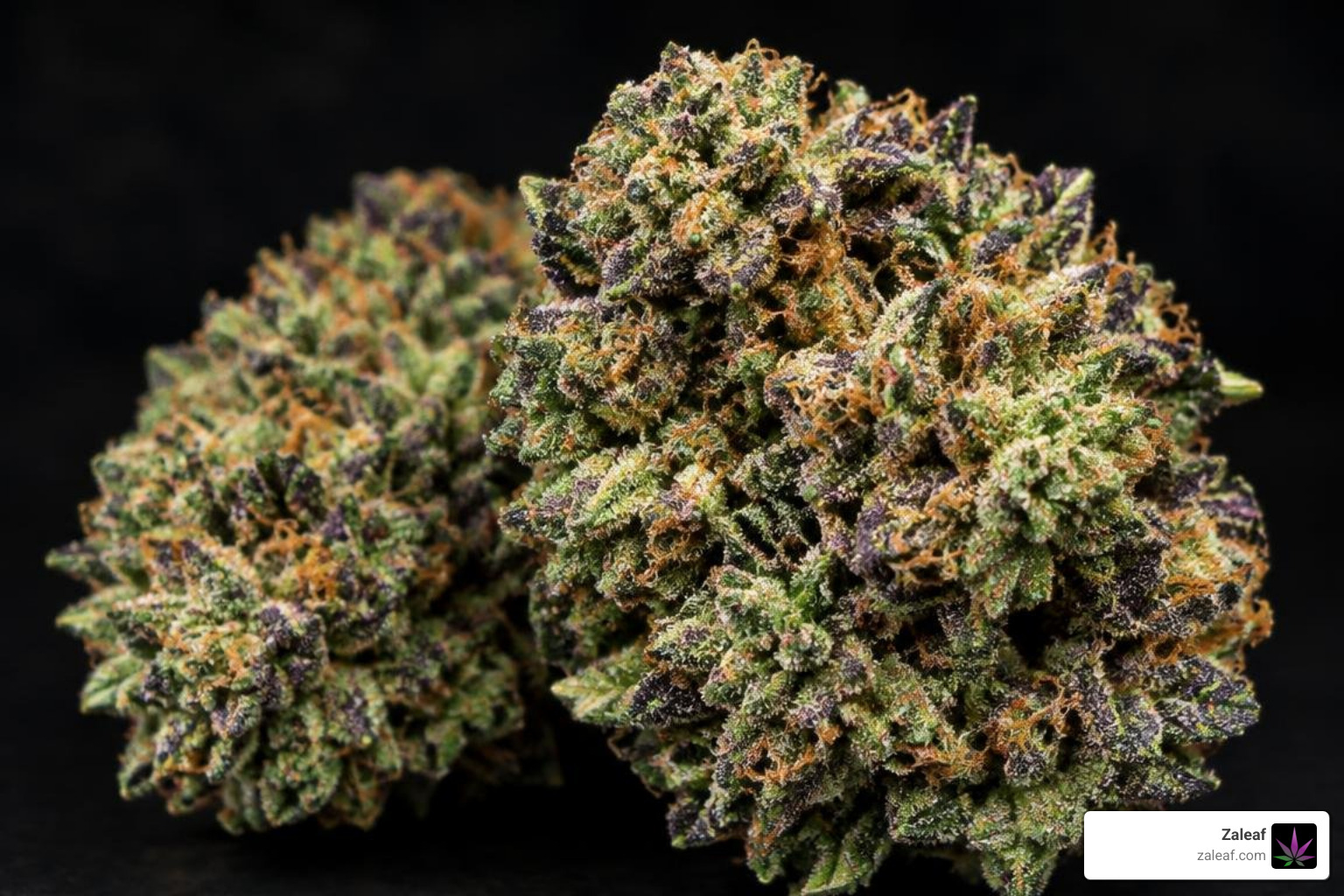
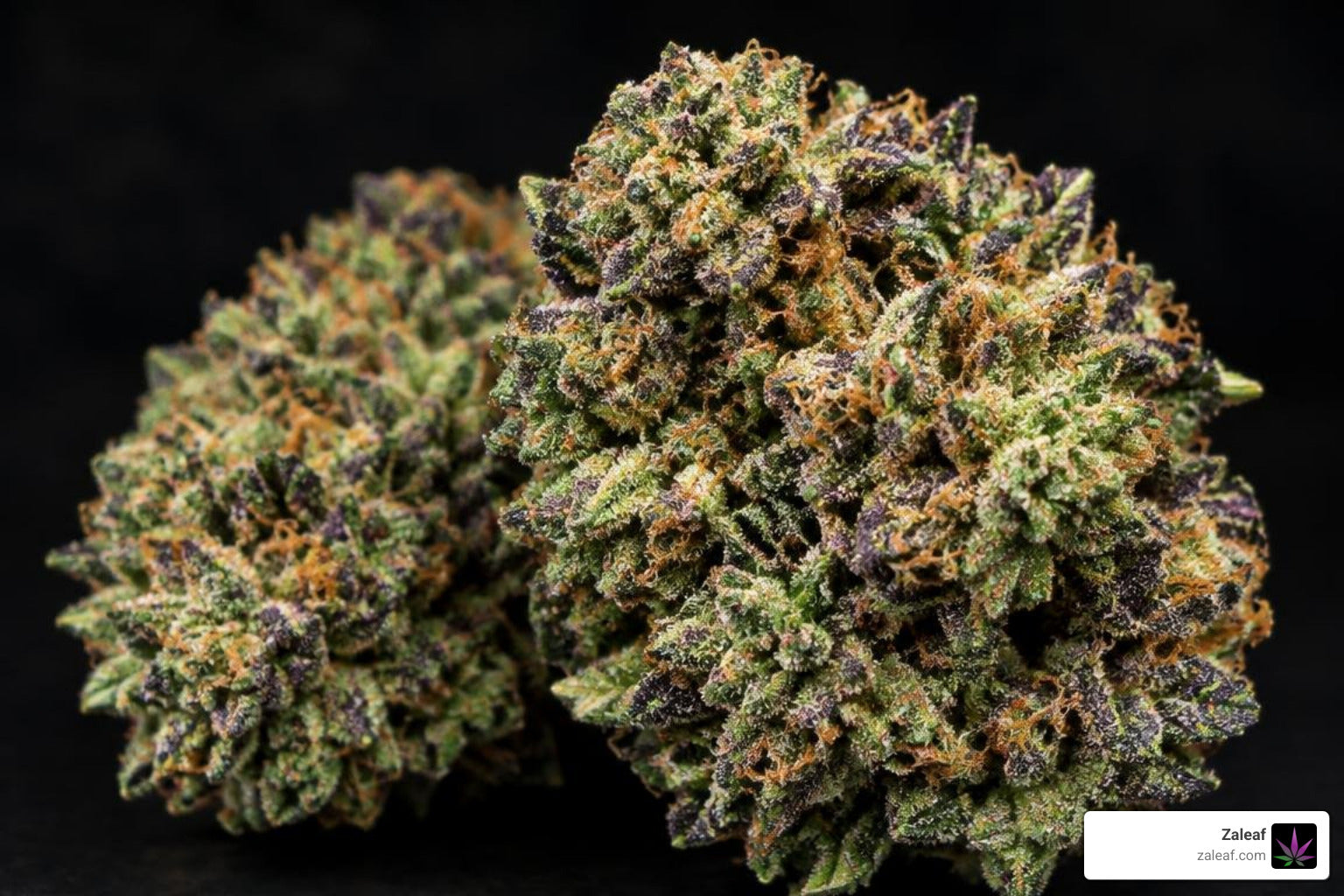
High potency flower generally means cannabis flower with about 20% or more total THC, though there is no fixed cutoff. A label showing 25% total THC represents about 250 milligrams of potential THC per gram of flower, not the amount your body absorbs. To choose well, check third-party test results, the cannabinoid and terpene profile, and your own tolerance. More THC does not always mean a better experience, and even legal flower can cause a positive drug test.
I'm Max Shemesh, owner and CEO of Zaleaf. My experience developing cannabinoid products and focusing on testing informs this guide to high potency flower, from reading potency labels to choosing with care.
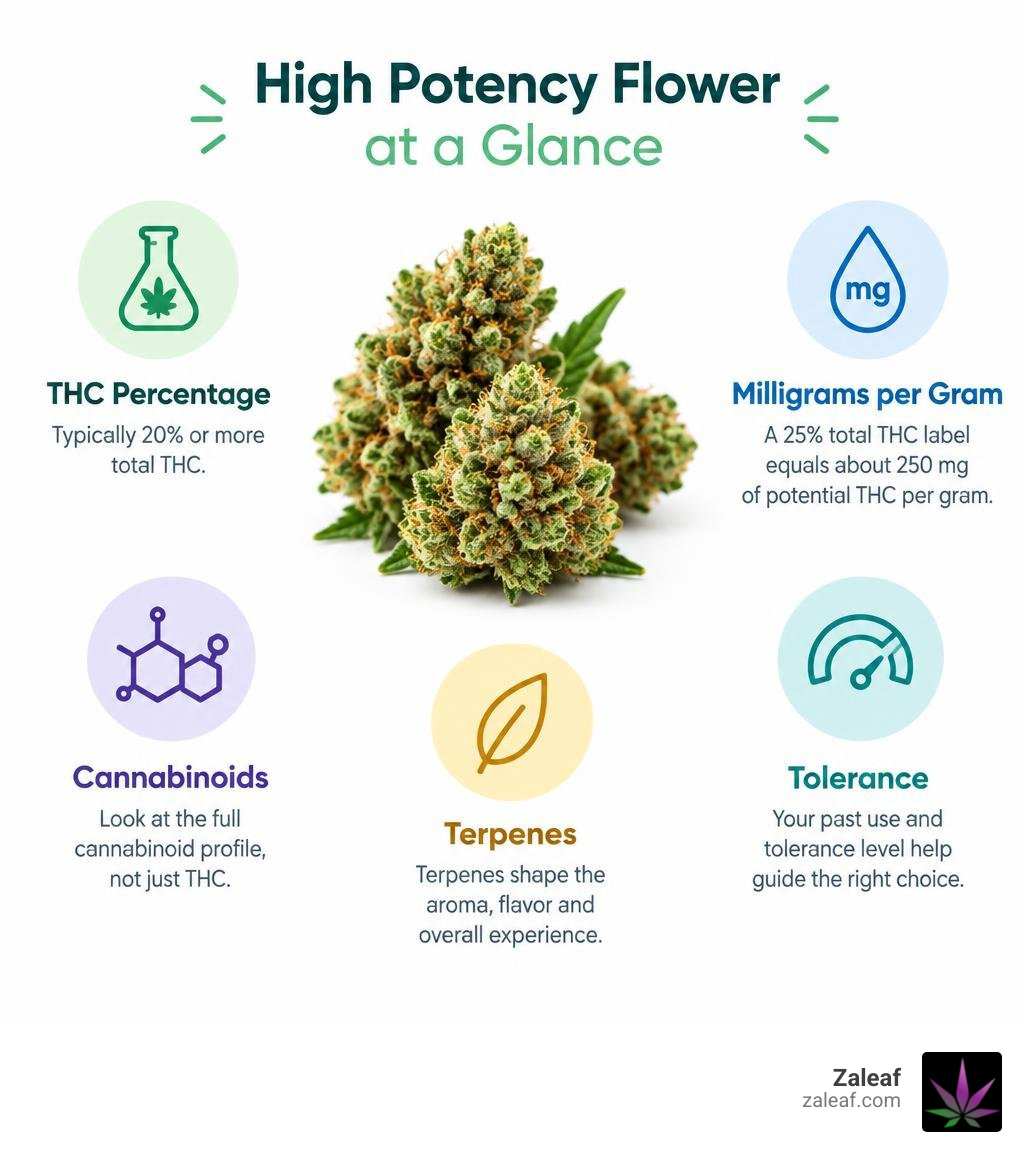
High potency flower terms to learn:
What THC Percentage Means in High Potency Flower
When shopping for cannabis, the most prominent number on the jar is almost always the THC percentage. But what does that number actually communicate? In simple terms, THC percentage reflects the concentration of tetrahydrocannabinol relative to the total weight of the plant material. If a flower tests at 25% THC, that translates to 250 milligrams of THC per single gram of dried bud.
Understanding this math helps demystify dosing. A standard bowl packed with 0.5 grams of that 25% flower holds roughly 125 milligrams of potential THC. However, burning or vaporizing flower involves natural loss through heat degradation and sidestream smoke, so your body does not absorb every milligram.
In raw, unheated cannabis, the cannabinoid exists primarily as THCa (tetrahydrocannabinolic acid), which is non-psychoactive in its acidic form. Applying heat via smoking, vaping, or cooking initiates decarboxylation, shedding a carboxyl ring to convert THCa into the active, intoxicating delta-9 THC.
When you purchase potent White Runtz hybrid buds, you are getting flower rich in THCa that rapidly activates upon lighting.
| THC Percentage Tier | Potency Level | Milligrams of THC per Gram | Typical User Experience |
|---|---|---|---|
| Under 15% | Mild / Low Potency | Under 150 mg/g | Gentle, subtle effects; great for beginners or daytime microdosing |
| 15% – 19% | Moderate / Standard | 150 mg/g – 190 mg/g | Balanced cerebral and physical sensations; classic therapeutic baseline |
| 20% – 24% | High Potency | 200 mg/g – 240 mg/g | Strong psychoactive shift; pronounced euphoria, relief, and relaxation |
| 25% – 30%+ | Ultra-High Potency | 250 mg/g – 300+ mg/g | Intense, heavy-hitting effects; best suited for experienced consumers |
How Cannabinoid Potency Is Measured
Accurate potency measurement relies on certified third-party analytical laboratories. These labs use advanced scientific testing methods such as High-Performance Liquid Chromatography (HPLC) or Gas Chromatography (GC) to separate, identify, and quantify the compounds in a cured flower sample.
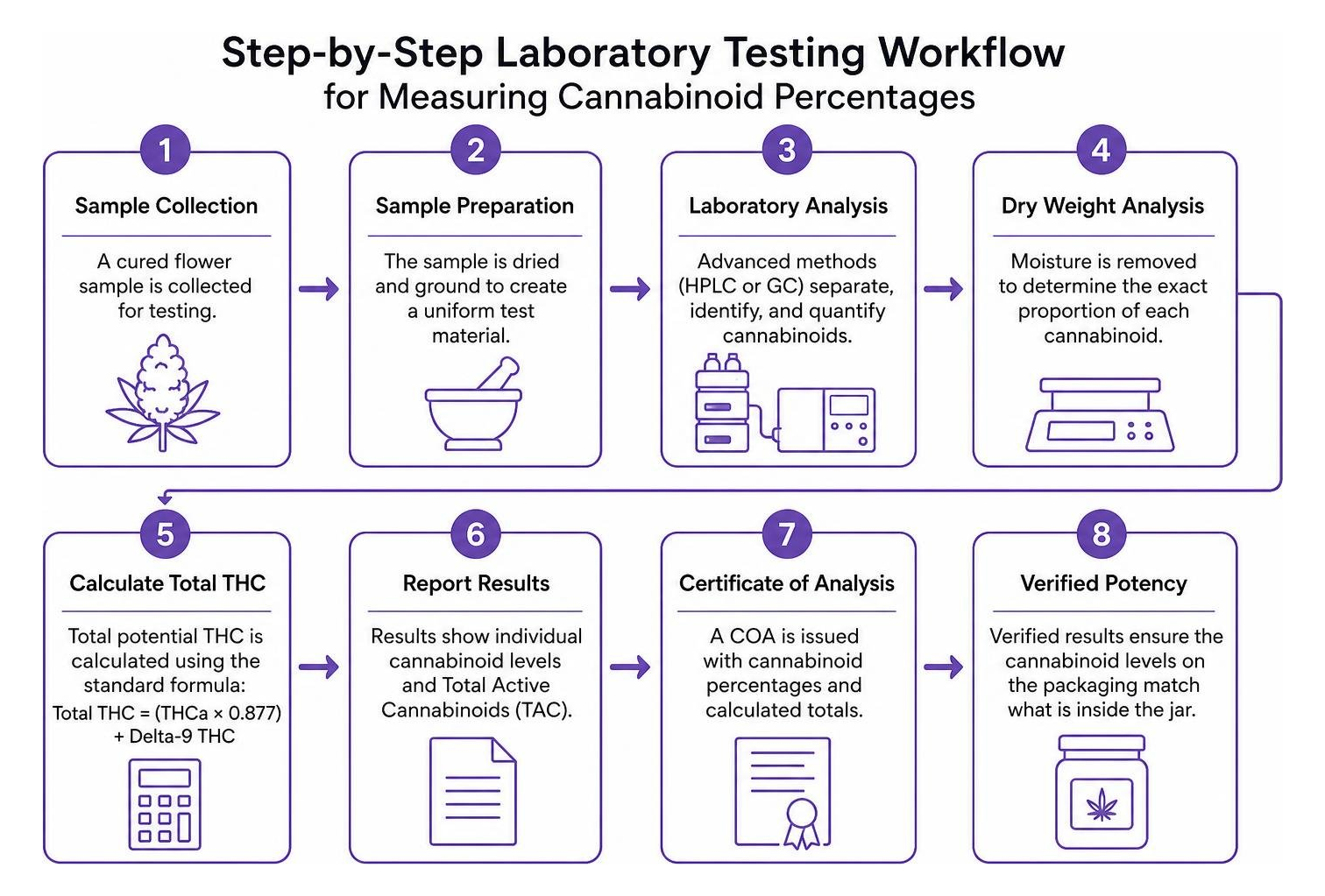
During dry weight analysis, the laboratory removes moisture variables to determine the exact proportion of each cannabinoid. The certificate of analysis (COA) displays the "Total Active Cannabinoids" (TAC) and calculates total potential THC using a standard conversion formula:
Total THC = (THCa × 0.877) + Delta-9 THC
Because THCa loses about 12.3% of its molecular weight when converting to active THC, this calculation ensures an accurate reflection of what the consumer will experience. When we source options like premium Jealousy hybrid flower, rigorous lab verification guarantees that the cannabinoid levels printed on the packaging match what is inside the jar.
Top Strains Leading the High-THC Landscape
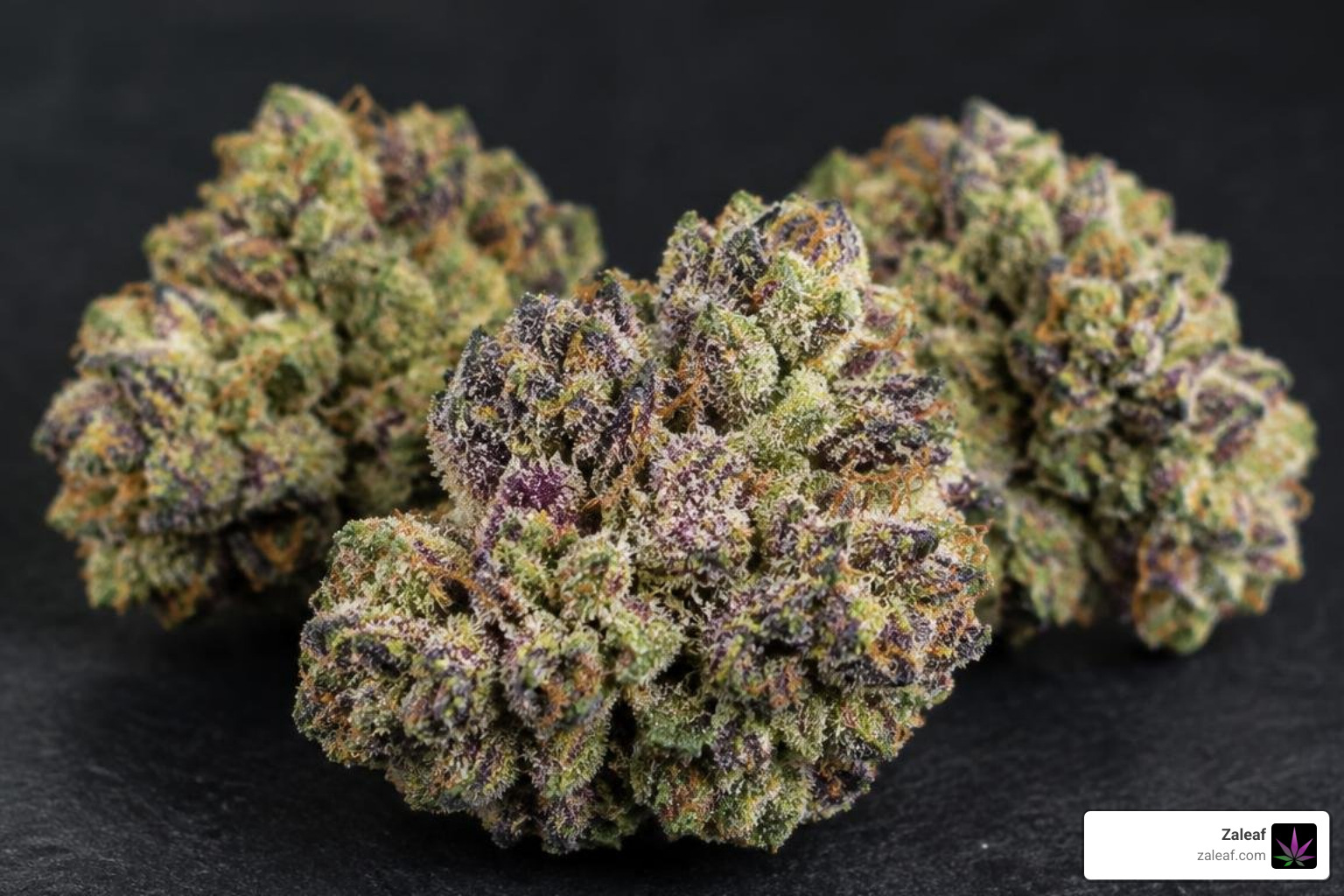
Cultivators have refined breeding practices over decades, elevating baseline THC levels from the modest 3% to 8% averages of the 1970s to the remarkable 20% to 30%+ profiles seen today. Whether seeking a creative cerebral spark or profound physical ease, top-shelf cultivars deliver targeted benefits. For instance, classic sativas like potent Sour Diesel sativa remain famous for their lively, invigorating qualities.
Sativa vs. Indica in High Potency Flower
While modern botany suggests that the visual differences between narrow-leaf (sativa) and broad-leaf (indica) plants do not always dictate their chemical output, these categories remain a useful shorthand for consumers seeking specific moods.
High-THC sativas are typically sought after for daytime use, creative projects, and active social gatherings. Notable examples include:
- Lemon Meringue (21% THC): A zesty, citrus-forward cultivar loved for uplifting focus.
- Laughing Buddha (21% THC): An award-winning sativa delivering bright, giggly euphoria.
- Hawaiian (22% THC): A tropical classic that encourages daytime creativity and sunshine moods.
- Thai (22% THC): A landrace-descended strain offering energetic cerebral stimulation.
- Silver Haze (23% THC): A long-standing favorite blending clear-headed motivation with a noticeable head buzz.
- Purple Haze: Vibrant options like Purple Haze sativa flower capture that vintage, energetic psychedelic feel.
High-THC indicas, by contrast, are the go-to choice for nighttime unwinding, deep muscle ease, and preparing for restorative sleep:
- Kosher Kush (21% THC): A powerhouse indica celebrated for heavy body relaxation and combating restlessness.
- Triangle Kush (23% THC): Hailing from Florida, this earthy cultivar eases physical tension and inspires artistic calm.
- Ghost OG (23% THC): Known for delivering a gentle body melt paired with peaceful mental quietude.
- Northern Lights: Strains like Northern Lights indica pre-rolls make winding down after a long day effortless.
Potent Hybrid Cultivars and Infused Buds
Hybrids blend the best of both worlds, balancing physical calm with cerebral stimulation. Modern hybrid breeding produces some of the most potent flower on the market:
- Memory Loss (26% – 31% THC): An strong hybrid known for its fast-acting, mind-bending punch.
- Bruce Banner (25% THC): Named after the comic book powerhouse, delivering a powerful surge of euphoria.
- GMO Cookies (up to 24% THC): Also affectionately known as "Garlic Cookies," famous for pungent savory aromas and heavy couchlock.
- Gorilla Glue / GG4 (23% THC): Renowned for its sticky resin production and deeply glued-down relaxation.
- White Tahoe Cookies (23% – 30% THC): A sweet, sedating powerhouse with a frosted trichome blanket.
- Death Star (21% THC): A slow-burning cross of Sensi Star and Sour Diesel that melts away daily tension.
- Banana OG (23% THC): A sweet, overripe-banana flavored strain that packs a creeping, heavy physical finish.
- Lemon Cherry Gelato: Modern staples like Lemon Cherry Gelato flower bring decadent dessert flavors together with robust cannabinoid levels.
For consumers seeking maximum strength, infused and coated flowers offer an elevated tier. Products like THCa Snow Caps take cured, high-grade buds and coat them in pure, isolated cannabinoid crystals, pushing total potency far beyond what raw plant genetics can produce on their own.
Beyond THC: Terpenes, Cannabinoids, and the Entourage Effect

Relying solely on THC percentage to judge flower quality is like choosing a restaurant solely by how hot the food is served—it overlooks flavor, aroma, and overall craft. The true magic of high-grade cannabis lies in the entourage effect, a biological phenomenon where cannabinoids, aromatic terpenes, and flavonoids work together synergistically.
Minor cannabinoids shape the nature of your high:
- Cannabidiol (CBD): Tempers the psychoactive intensity of THC, reducing the likelihood of racing thoughts.
- Cannabigerol (CBG): The "mother cannabinoid," prized for gut wellness and neuroprotective properties.
- Tetrahydrocannabivarin (THCV): Often referred to as "diet weed," known for an alert, energetic feel and potential appetite-suppressing qualities.
Terpenes are the organic aromatic compounds responsible for each cultivar's distinct fragrance and nuanced effects:
- Myrcene: Earthy, herbal, and clove-scented. Facilitates cannabinoid absorption across the blood-brain barrier and produces relaxing, sedative properties.
- Limonene: Bright and citrusy. Promotes mood elevation, mental clarity, and stress relief.
- Caryophyllene: Spicy and peppery. Uniquely acts directly on CB2 receptors to provide powerful anti-inflammatory benefits.
- Linalool: Floral and lavender-scented. Known for soothing nerves and encouraging deep physical rest.
- Pinene: Fresh pine aroma. Helps counteract short-term memory deficits associated with THC while promoting alertness.
Complex cultivars such as Medellin THCa flower or Sticky Buns hybrid flower illustrate how a rich terpene profile transforms an ordinary smoke into an unforgettable sensory experience.
Why Higher THC Is Not Always Better
A common misconception is that a 30% THC bud will automatically feel "better" than a 20% THC bud. In reality, a 20% THC strain loaded with 3% calming terpenes like myrcene and linalool often produces a far deeper, more relaxing body stone than a 28% THC strain that lacks aromatic depth.
When flower is bred solely for sky-high THC at the expense of terpenes, the high can feel flat, one-dimensional, or uncomfortably jittery. Prioritizing terpene density, smooth curing, and balanced cannabinoid profiles ensures a richer, cleaner, and far more enjoyable session.
Benefits, Risks, and Responsible Consumption
High-potency cultivars offer distinct advantages, particularly for seasoned consumers and those seeking therapeutic support:
- Fast-Acting Relief: Inhaling potent flower delivers cannabinoids rapidly into the bloodstream, offering quick comfort for sudden flares of chronic pain, inflammation, or headaches.
- Nausea and Appetite Support: Cultivars rich in THC are effective for settling queasy stomachs and stimulating a healthy appetite.
- Cost Efficiency: A single puff of high-potency flower can deliver the same effect that used to require an entire joint, making your supply last longer.
However, concentrated THC also comes with practical considerations:
- Tolerance Escalation: Frequent consumption of high-THC flower raises cannabinoid receptor tolerance, requiring more product over time to achieve the same result.
- Sensory Overload: Excessively high doses can lead to transient dizziness, dry mouth, or elevated heart rates.
Harm Reduction and Safety Tips for High Potency Flower
Practicing mindful harm reduction ensures your sessions remain uplifting and pleasant:
- Start Low and Pace Yourself: If you are new to a high-potency batch, take one small inhalation and wait 10 to 15 minutes before deciding to consume more.
- Consider Mid-Range Starting Points: New consumers or those returning after a long break benefit from starting with mid-range strains (15% to 20% THC) before moving up to heavy-hitters.
- Never Drive While Impaired: Avoid driving, operating machinery, or performing critical tasks for at least 6 hours after inhaling high-THC cannabis.
- Hydrate and Snack: Keep fresh water nearby to counter dry mouth, and keep light snacks handy.
- Use CBD as a Safety Net: If you ever feel overstimulated by potent flower, inhaling or ingesting pure CBD can help moderate THC's binding affinity at CB1 receptors, softening the intensity.
Frequently Asked Questions About Potent Flower
What THC percentage is considered high for cannabis flower?
In the current retail landscape, flower testing between 20% and 24% THC is considered high potency, while anything reaching 25% to 30% or higher is considered ultra-high potency.
Can high-THC flower cause anxiety or paranoia?
Yes. THC exhibits biphasic properties—meaning small doses can relieve stress, while excessively large doses can trigger anxiety in sensitive individuals. Choosing strains rich in calming terpenes (such as linalool and myrcene) or blending potent flower with CBD helps prevent overstimulation.
How should beginners approach high-potency cannabis?
Beginners should start with small single inhalations ("micro-dosing"), choose balanced or mid-range cultivars (15% to 20%), and use glass pipes or dry-herb vaporizers that make it easy to control individual draw sizes.
Conclusion
Choosing the right high-potency flower is an art that goes well beyond chasing the highest number on a test label. By looking at the complete picture—evaluating cannabinoid balance, rich terpene profiles, third-party lab verification, and your individual tolerance—you can find cultivars that deliver exactly the mood, relief, and flavor you desire.
At Zaleaf, we curate 100% legal cannabis products designed to enhance mood-specific effects through exceptional cannabinoid and terpene profiles. Every product undergoes strict third-party testing, ships quickly in discrete packaging directly to your door, and requires no ID or medical card. Discover the difference true quality makes by exploring our selection of fresh and potent cannabis flower.