

Everything You Need to Know About Vape Pens Without the Haze
Understanding Vape Pen Basics: What You Need to Know
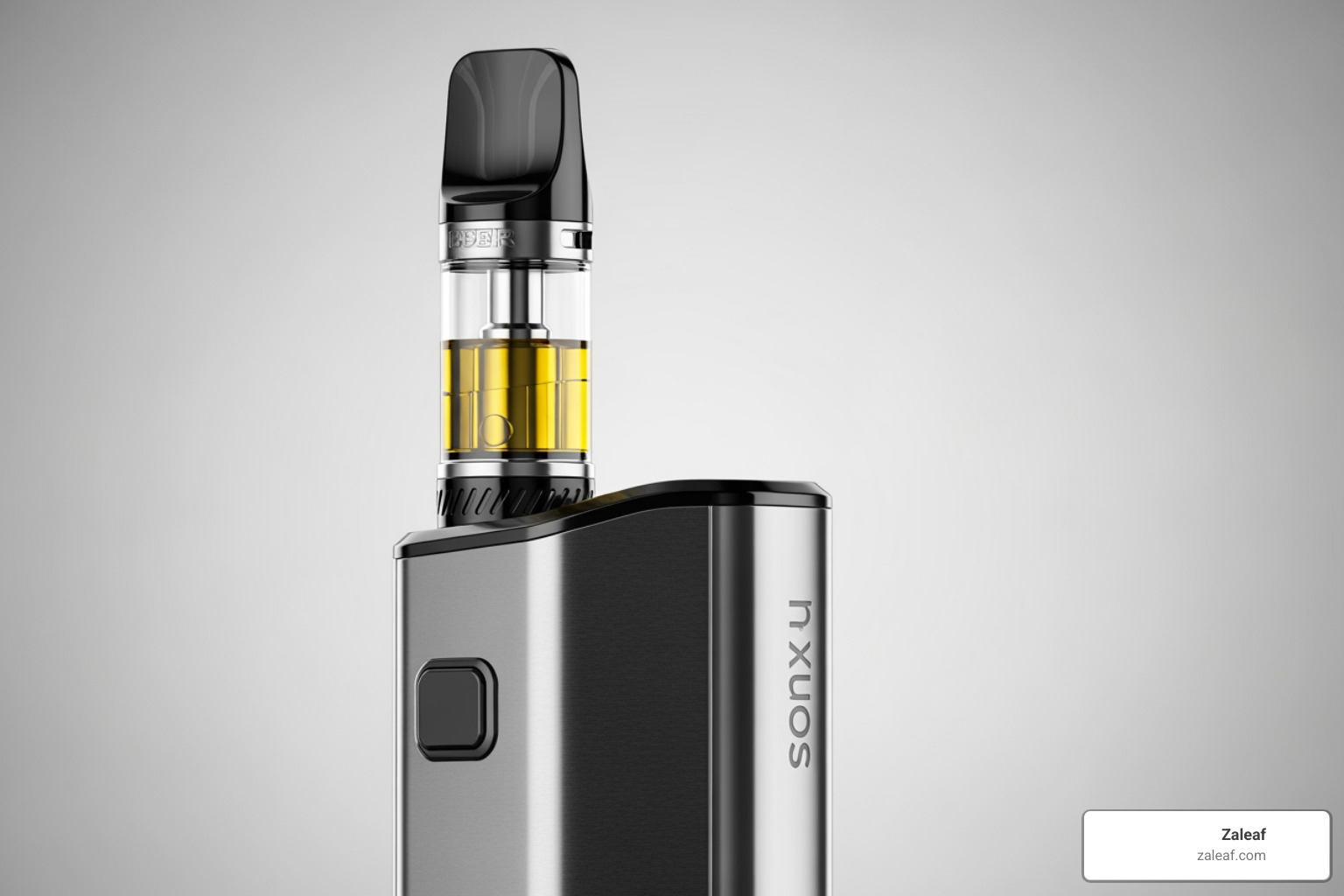
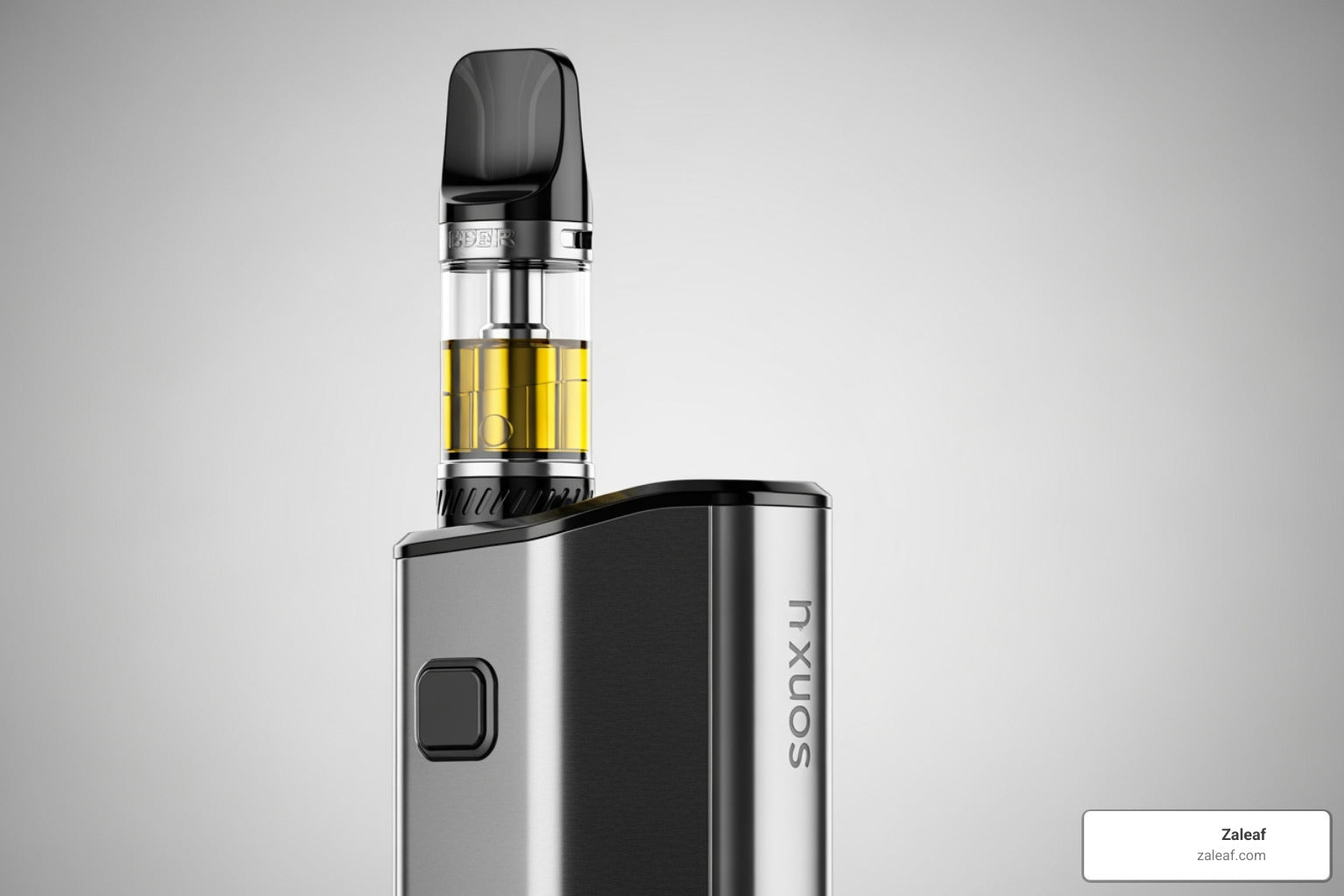
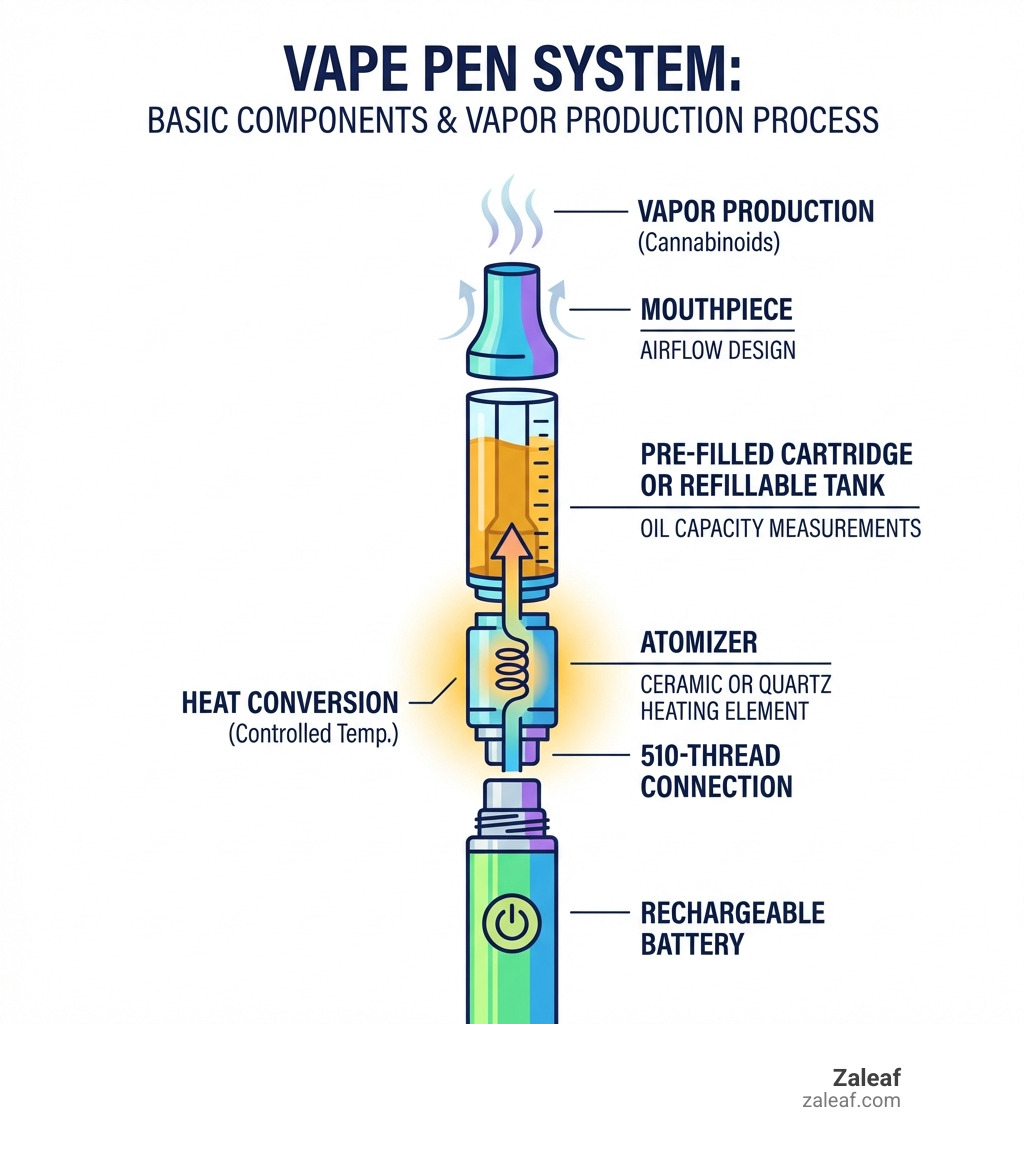
A vape pen is a compact, battery-powered device that heats cannabis oil, wax, or dry herb to produce an inhalable vapor without combustion. These portable vaporizers typically consist of a rechargeable battery, a heating element (atomizer), and either a pre-filled cartridge or refillable tank.
Quick Overview:
- What it is: Electronic device that vaporizes cannabis materials at 315-465°F
- How it works: Battery powers heating element to create vapor from oil, wax, or flower
- Main types: Disposable (single-use), refillable cartridges (510-threaded), and rechargeable pens
- Key benefits: Portable, discreet, no smoke smell, consistent dosing
- Battery life: Most provide 150+ puffs per charge with 2-3 hour charging time
- Common features: USB-C charging, draw-activated or button-controlled, LED indicators
If you're navigating cannabis vaporizers for the first time, you're not alone. The market has exploded since 2014, evolving from basic devices to sophisticated systems with temperature control, ceramic heating elements, and laboratory-tested cartridges. The challenge? Cutting through marketing hype to understand what actually matters for your health, safety, and experience.
This guide breaks down everything from how vape pens function to spotting authentic products and maintaining your device. We'll cover the different types available, key features worth paying for, and red flags to avoid when shopping.
As Max Shemesh, Owner & CEO of Zaleaf, I've spent years in the cannabinoid industry ensuring our customers receive transparent information about vape pen technology and safety. My focus has always been on quality-first products backed by third-party testing, because understanding your vaporizer shouldn't require a chemistry degree.
Vape pen vocab to learn:
The Evolution of the Modern Vape Pen
The journey of the vape pen is a fascinating tale of miniaturization. Not long ago, if you wanted to vaporize cannabis, you needed a "desktop rig"—a device roughly the size of a toaster that had to be plugged into a wall. Today, we carry that same power in a device no larger than an office highlighter.
This evolution was driven by the need for portability and discretion. Early prototypes focused on mimicking the look of traditional cigarettes (often called "cigalikes"), but as technology advanced, the focus shifted to performance. Modern vaporizers are sophisticated Electronic Nicotine Delivery Systems (ENDS) or cannabis delivery systems that use advanced lithium-ion batteries—the same tech found in high-end smartphones and electric cars.

How a Vape Pen Functions
At its core, every vape pen works through a simple chain reaction. When you activate the device—either by inhaling (draw-activated) or pressing a button—the battery sends an electric current to the atomizer.
The atomizer contains a heating coil, usually made of ceramic, quartz, or stainless steel. This coil heats up rapidly, reaching temperatures between 315°F and 465°F in seconds. This specific temperature range is crucial; it’s hot enough to volatilize cannabinoids and terpenes into an aerosol (vapor) but cool enough to avoid combustion. Because there is no fire, you aren't inhaling smoke, which is why vaping is often viewed as a cleaner alternative to traditional smoking.
Choosing the Right Vape Pen for Your Lifestyle
When we look at the hundreds of products available today, choosing can feel overwhelming. However, focusing on a few key statistics can simplify the process. For instance, a standard high-quality vape pen typically features a 1.0 ml oil capacity and typically provides about 150 puffs per charge.
If you are a heavy user, you’ll want to look for vape marathon options with extended battery lifespans. If you prefer variety, cart pens with 510-thread compatibility are your best friend, allowing you to swap out different oil cartridges whenever the mood strikes. You can find extensive vape pen collections that cater to every aesthetic, from chrome gold shells to sleek, matte black minimalist designs.
Different Types of Vaporizers for Every User
Not all vapes are created equal. Depending on whether you prefer "flower" (dry herb), "dabs" (wax), or "carts" (oil), your hardware will look and act differently.
- Oil Vape Pens: These are the most common. They usually consist of a vape cartridge battery and a pre-filled or refillable tank. They are the "point and shoot" of the vaping world—extremely easy to use.
- Wax/Dab Pens: Designed for concentrates, these pens feature an open heating chamber (usually with quartz coils) where you manually place a small amount of wax or resin. They provide a much more intense experience, similar to a traditional glass dab rig but in your pocket.
- Dry Herb Vaporizers: These are essentially tiny ovens. They use convection or conduction heating to bake the cannabis flower, releasing vapor without burning the plant material.
- Disposable Vape Pens: These are all-in-one units where the battery and oil are self-contained. Once the oil is gone, you dispose of the whole unit. They are the ultimate for newbies due to their "zero-maintenance" nature.
| Feature | Disposable Vape Pen | Refillable/Cartridge System |
|---|---|---|
| Ease of Use | Highest (No setup) | Moderate (Requires assembly) |
| Initial Cost | Low | Higher (Battery + Cartridge) |
| Long-term Value | Lower | Higher |
| Sustainability | Low (Single use) | High (Rechargeable) |
| Customization | None | High (Swappable cartridges) |
For a deeper dive into these differences, check out our guide on choosing between disposable and non-disposable cannabis pens.
Understanding Oil and Wax Attachments
The "heart" of the vape pen is the atomizer material. In the early days, most vapes used cotton wicks. The problem? If the oil ran low, the cotton would singe, giving you a nasty "burnt" taste.
Today, we use medical-grade quartz or high-grade ceramic heating elements. Ceramic is particularly prized for flavor preservation because it retains heat evenly and doesn't react with the oil. This ensures that the delicate terpene profiles—the compounds responsible for the smell and specific effects of the plant—remain intact.
Key Features and Consumer Considerations
When you're ready to shop for THC vape pens, don't just buy the prettiest color. Look for these technical specs:
- Battery Life & Charging: Look for USB-C charging. It’s faster and more durable than the older micro-USB ports. Most pens take 2-3 hours to fully charge.
- Variable Voltage: Not all oils should be heated at the same temperature. Lower voltage (2.4V - 2.8V) is great for preserving flavor and delicate live resins. Higher voltage (3.2V+) is better for thick distillates and big clouds.
- Haptic Feedback: Some modern pens vibrate when you’ve taken a full "dose" or when the device turns on, which is great for accessibility.
- Preheat Function: Does your pen get clogged? A preheat feature gently warms the oil to clear any blockages before you take a hit.
Understanding these features is part of demystifying vape batteries. Furthermore, emerging research suggests that terpenes from cannabis may provide significant health benefits beyond just flavor, so choosing a pen that protects these compounds is essential.
Ensuring Safety and Device Authenticity
Safety is the most important part of this guide. Because the vape pen market is so large, it has unfortunately attracted counterfeiters. Using a fake cartridge can be dangerous, as they may contain harmful "fillers" like Vitamin E acetate, which has been linked to lung injuries.
To ensure your safety, we recommend the following:
- 3rd Party Testing: Only buy products that provide a Certificate of Analysis (COA). This proves the oil has been screened for heavy metals, pesticides, and mold. At Zaleaf, every single product undergoes rigorous 3rd party testing.
- Check the Hardware: Authentic brands avoid glues and toxic metals in their hardware. For example, high-end disposable weed pens use "cool-heating" ceramic to prevent the leaching of chemicals.
- Avoid "Too Good to Be True" Prices: If a high-potency cartridge is being sold on a street corner for $10, it's likely a fake. Stick to reputable online retailers or licensed dispensaries.
For more on staying safe, read our truth about medical THC vape pen safety. Scientists have conducted extensive chemical evaluations of electronic cigarettes to help regulate these standards, so use that knowledge to your advantage!
Maintenance and Longevity Tips
A little love goes a long way in making your vape pen last. If you treat your battery like a piece of high-end tech, it will reward you with consistent hits.
- Keep it Upright: This is the #1 rule. Storing your pen on its side or upside down causes oil to flow into the mouthpiece, leading to clogs.
- Clean the Contact Points: Every few weeks, take a Q-tip dipped in isopropyl alcohol and wipe the "threads" where the battery meets the cartridge. This ensures a solid electrical connection.
- Temperature Control: Don't leave your pen in a hot car. High heat can cause the oil to thin out and leak, and it can actually degrade the THC over time.
- Unclogging: If your pen feels stuck, don't use a toothpick! Try the "hairdryer trick"—gently warm the cartridge with a hairdryer for 30 seconds to loosen the oil.
For more troubleshooting, see our guide on how to fix a non-working disposable vape pen or learn more about pod systems and hardware.
Frequently Asked Questions about Vaporizers
How long does a standard charge last?
Most standard vape pen batteries (350mAh to 650mAh) will last for 150 to 300 puffs. For most users, this means you’ll only need to charge it every 2-3 days. If you're using a long-lasting vape pen, it could last even longer.
What is the difference between a disposable and a refillable pen?
A disposable pen is a single unit that you toss when empty. A refillable or "510-thread" system uses a permanent, rechargeable battery that you attach different cartridges to. Disposables are easier for travel, while refillables are better for your wallet and the planet. Check out our Disposable Vape Pens 101 for more.
How do I know if my cartridge is authentic?
Look for a QR code on the packaging that leads to lab results. Authentic cartridges will also have clear, consistent oil (not dark or cloudy) and won't have a harsh, chemical smell. If your vape pen is blinking green, it usually means the battery is fine but the connection to the cart might be loose.
Conclusion
The world of the vape pen doesn't have to be shrouded in mystery. By focusing on quality hardware, third-party lab testing, and simple maintenance, you can enjoy a consistent and safe experience. Whether you are looking for affordable vapes or the absolute top THC vape pens for 2024, the key is being an informed consumer.
At Zaleaf, we take the guesswork out of the equation. We offer 100% legal cannabis products with fast, discrete shipping—no ID or medical card required. We specialize in mood-specific effects by carefully balancing cannabinoid and terpene profiles, all backed by transparent 3rd party lab results.
Ready to find your perfect puff? Shop authentic vaporizers and accessories and clear the haze today.