

The Safety First Guide to Clean Vaping
How to Verify a Third-Party Tested CBD Vape Cartridge
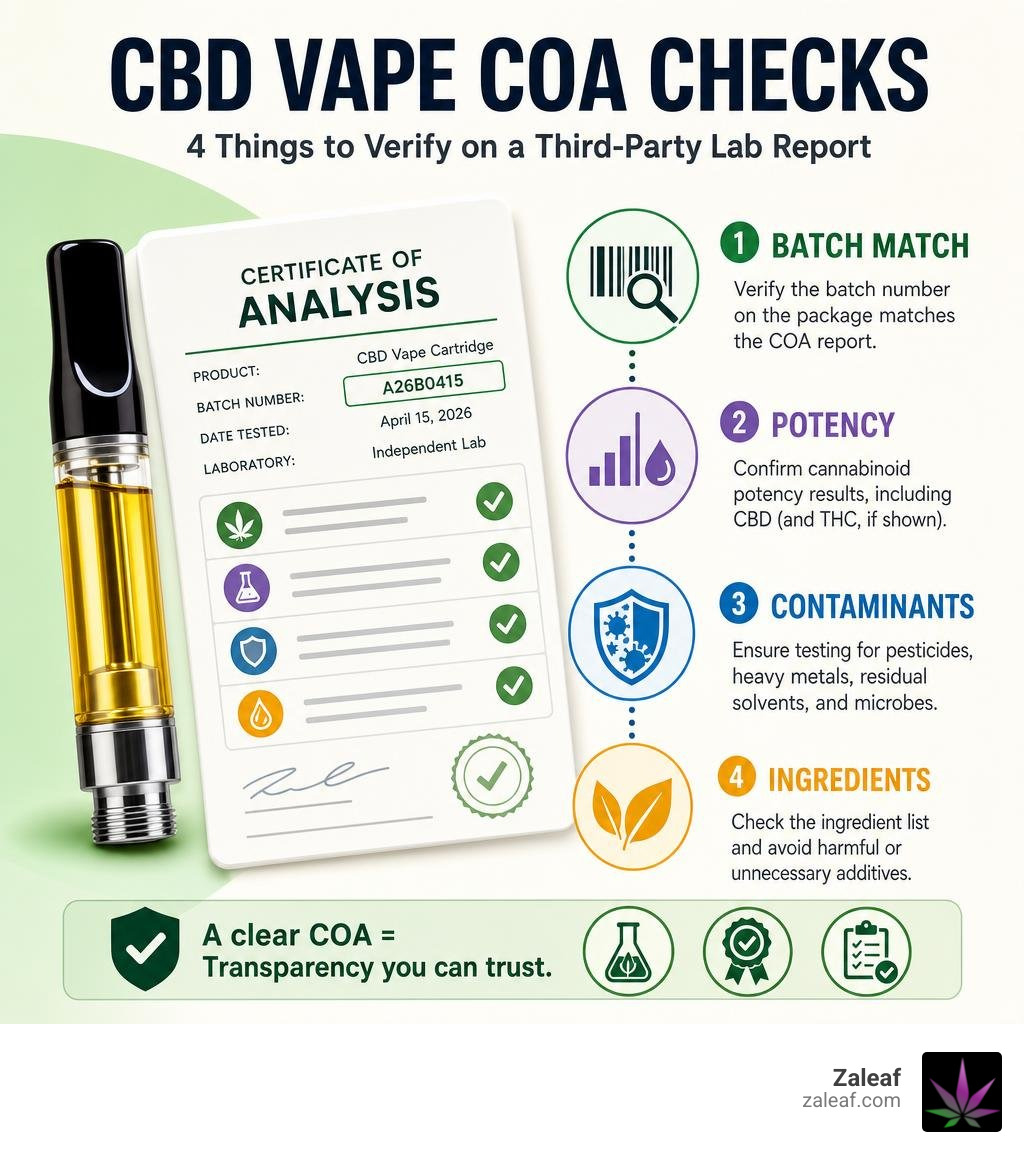
Before buying a CBD vape cartridge, check for a batch-specific Certificate of Analysis (COA) from an independent lab. Match the batch number on the package to the report, confirm the lab tested cannabinoid potency and contaminants, and avoid products that do not clearly disclose their ingredients.
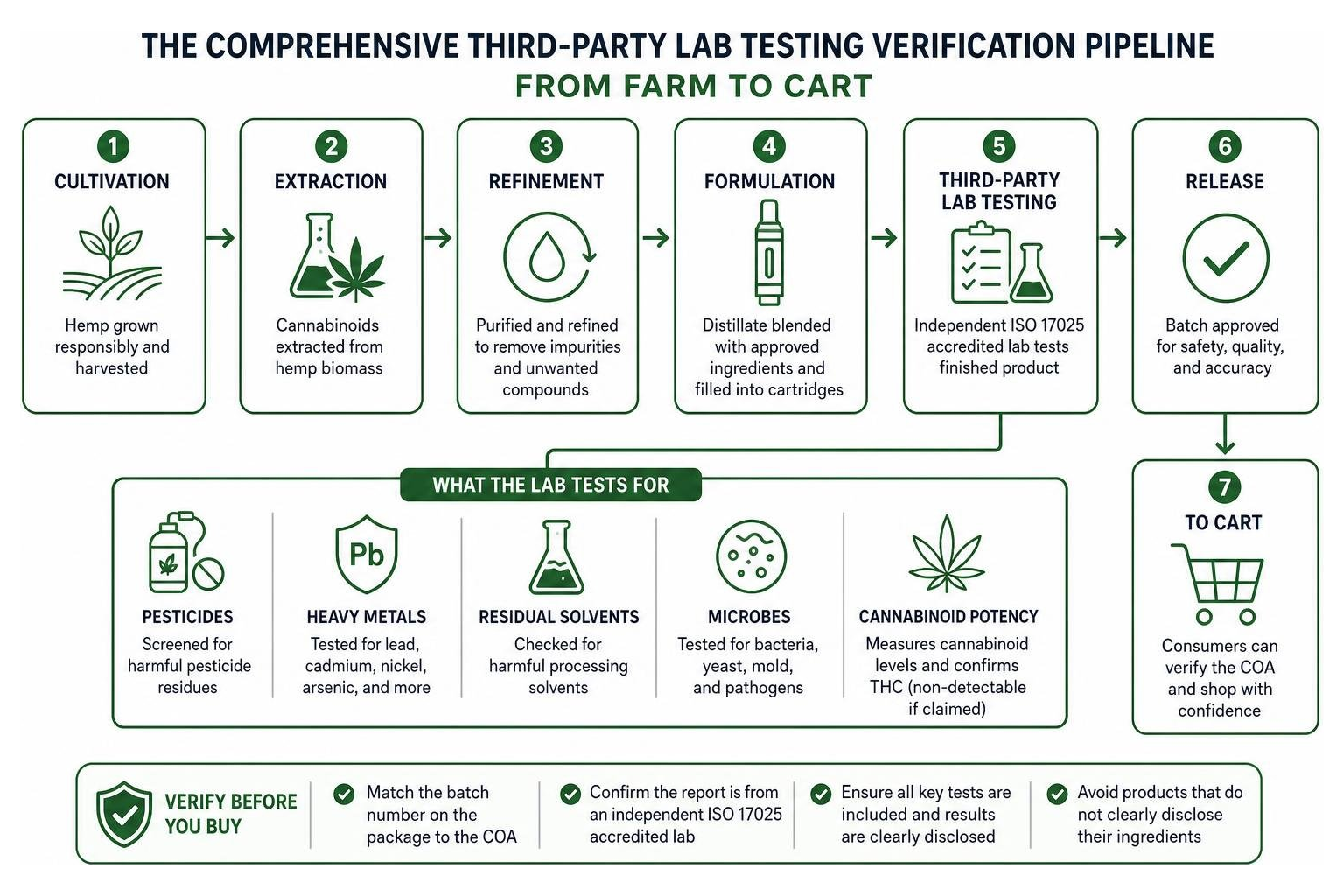
A trustworthy report should show results for pesticides, heavy metals, residual solvents, microbes, and cannabinoid levels. If avoiding THC matters to you, look for a report showing non-detectable THC, but no vape product can guarantee a drug-test result.
At Zaleaf, clean formulations and clear product information help customers make informed choices without guesswork. This guide explains what a third party tested cbd vape cartridge report should include, how to spot gaps in testing, and which vape additives deserve extra caution.
I am Max Shemesh Zaleaf, Owner and CEO of Zaleaf, where I focus on transparent cannabinoid products built around quality and customer trust. Through building and scaling hemp product offerings, I have seen why reliable third party tested cbd vape cartridge documentation must be easy for customers to find and understand.
Quick third party tested cbd vape cartridge terms:
The global CBD vape market is projected to reach $2.8 billion by 2027, growing at a rapid CAGR of 24.5%. This boom is easy to understand: over 60% of CBD users prefer vape cartridges as their go-to delivery method because inhalation provides rapid absorption and superior bioavailability compared to ingestible options.
However, rapid market growth brings real safety challenges. Recent market analyses reveal that approximately 45% of CBD vape cartridges fail independent testing due to heavy metal leaching, synthetic impurities, or pesticide residues. Because third-party lab testing is considered the single most important quality indicator by 78% of CBD vape consumers, knowing how to verify clean products is vital for your health and peace of mind.
Why Every Third Party Tested CBD Vape Cartridge Matters for Consumer Safety

When you inhale vapor, cannabinoids pass directly through the delicate alveoli of your lungs and enter your bloodstream in seconds. While this provides near-instant therapeutic effects, it also means that any toxins, chemical cutting agents, or heavy metals present in the oil bypass your digestive filtration system and go straight into your circulation.
Independent verification through third-party laboratories ensures that what is stated on the box matches the liquid inside the tank. Reputable testing facilities hold ISO 17025 accreditation, an internationally recognized gold standard confirming that the laboratory operates with technical competence, rigorous calibration, and unbiased analytical methods. An in-house test run by an uncertified manufacturer cannot provide this level of certainty.
Untested or poorly formulated vape pens present serious respiratory risks. Beyond basic mislabeling, low-grade vape hardware can leach toxic heavy metals like lead, cadmium, nickel, and arsenic directly into the oil when heated. Independent testing inspects both the raw botanical extract and the finished formulation, guaranteeing pure, safe vapor.
If you are exploring inhalation options for the first time, starting with verified hardware and clean botanical extracts is essential. Our resource on vape for beginners offers a complete roadmap to choosing clean hardware and gentle formulations that prioritize lung wellness above all else.
Essential Safety Checks: Contaminants and Toxic Additives to Avoid
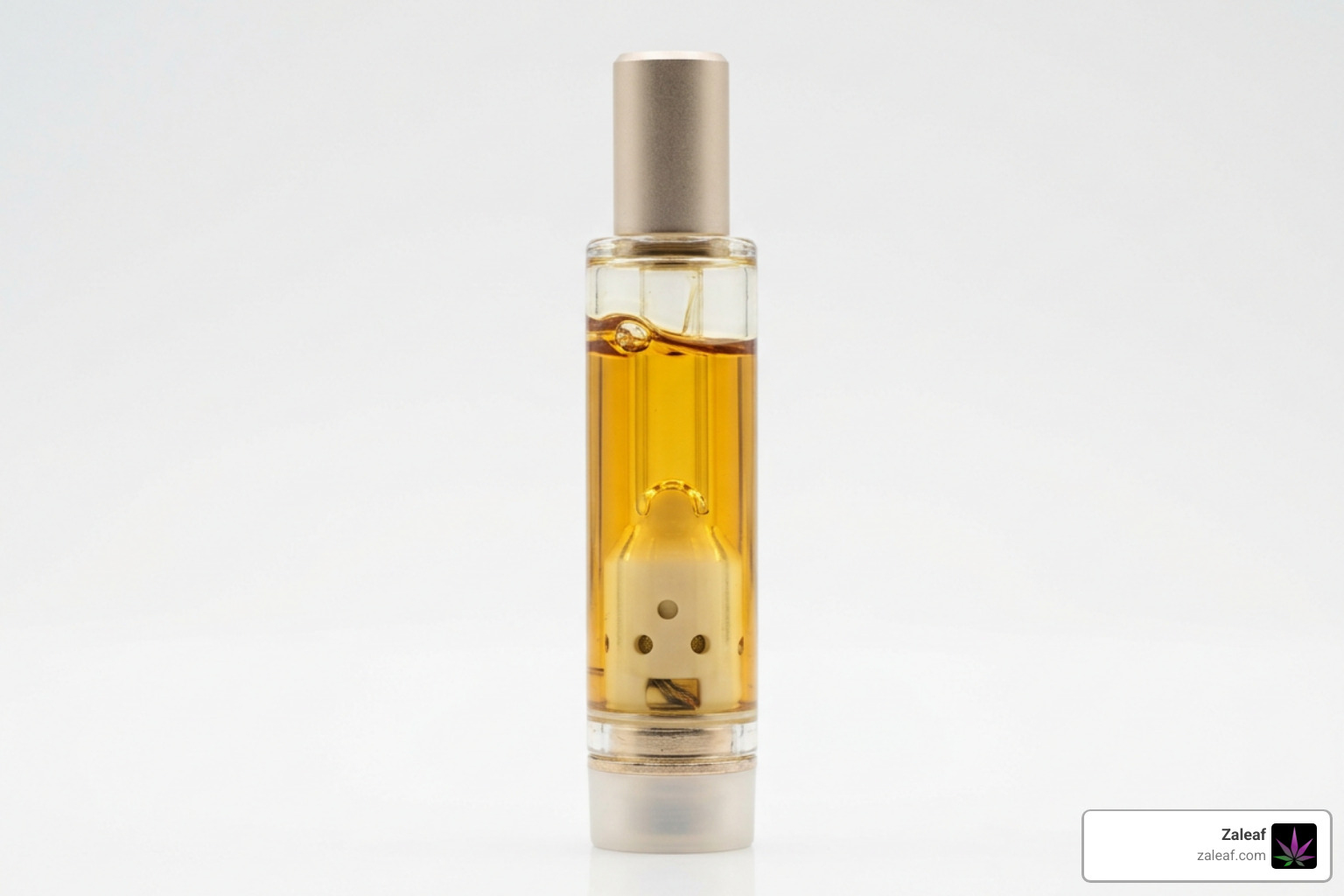
A comprehensive testing protocol scans for several distinct classes of chemical and biological hazards before a product reaches store shelves:
- Residual Solvents: Extraction methods often rely on solvents like butane, propane, ethanol, or supercritical CO2. Testing ensures that hazardous volatile organic compounds are purged down to zero parts per million (PPM).
- Pesticides and Herbicides: Industrial hemp is a dynamic bioaccumulator, meaning it draws chemical runoff out of the soil. Accredited labs screen for dozens of agricultural chemicals to ensure non-toxic biomass.
- Mycotoxins and Microbes: Testing checks for molds, yeasts, E. coli, Salmonella, and Aspergillus that could thrive in improperly dried biomass.
- Heavy Metals: Soil contamination and cheap internal heating wires can introduce lead, arsenic, mercury, and cadmium. Third-party testing confirms these toxic metals remain below stringent action limits.
Dangerous Additives to Avoid
Clean formulations require zero synthetic thinning agents. When evaluating product ingredients, steer clear of the following substances:
- Vitamin E Acetate: Formerly used as an illicit thickening agent, this oily additive adheres to lung surfactant and can cause severe acute lung injury.
- MCT (Medium-Chain Triglyceride) Oil: While edible coconut-derived MCT is excellent for tinctures, inhaling lipid-heavy fats creates a high risk of lipid pneumonia.
- Polyethylene Glycol (PEG): When heated above standard vaping temperatures, PEG can break down into harmful byproducts, including formaldehyde and acetaldehyde.
- Propylene Glycol (PG) and Vegetable Glycerin (VG): While standard in traditional nicotine e-liquids, high concentrations of PG/VG in cannabinoid vapes dilute natural terpene profiles and can create unnecessary airway irritation.
Clean vape formulations rely purely on pure cannabinoid distillate combined with steam-distilled or cold-pressed botanical terpenes.
Understanding Extract Types and Potency Profiles
A thorough lab report does not merely tell you what was left out; it reveals precisely what is inside your cart. It provides an exact breakdown of active cannabinoid potencies, including cannabidiol (CBD), cannabigerol (CBG), cannabinol (CBN), and cannabichromene (CBC).
The best formulations enhance natural plant terpenes to produce distinct therapeutic synergies and mood-specific effects. Terpenes like myrcene, caryophyllene, and linalool modulate the physiological impact of cannabinoids while delivering pure, unadulterated flavor without artificial flavoring agents.
To explore how botanical terpenes create distinct flavor nuances and unique sensory experiences, check out our comprehensive vape flavors list. For individuals looking for natural physical relief and physical comfort, choosing a specialized pain relief vape enriched with targeted terpenes and minor cannabinoids offers fast, dependable soothing.
Evaluating Full-Spectrum vs Isolate in a Third Party Tested CBD Vape Cartridge
| Feature | Full-Spectrum | Broad-Spectrum | CBD Isolate |
|---|---|---|---|
| Cannabinoid Profile | CBD, minor cannabinoids, trace THC | CBD and minor cannabinoids | 99%+ pure isolated CBD |
| THC Content | Up to 0.3% delta-9 THC | Non-detectable (ND) | Zero THC |
| Terpene Preservation | High (full entourage effect) | High to Moderate | None (unless re-added) |
| Therapeutic Synergy | Maximum botanical synergy | Strong minor synergy | Targeted, singular CBD focus |
| Lab Testing Focus | Potency confirmation + legal THC check | Potency check + 0.0% THC verification | Purity check to ensure no residual solvents |
A full-spectrum extraction preserves the natural profile of the hemp plant, including trace amounts of THC below the federal 0.3% threshold. This allows all plant compounds to work synergistically, a biological interaction known as the entourage effect.
Broad-spectrum profiles undergo additional refinement to selectively remove THC molecules while retaining minor cannabinoids and terpenes. CBD isolate formulas isolate pure CBD crystals from all other plant matter, offering targeted effects for those who require zero exposure to other compounds.
Step-by-Step Guide to Verifying Lab Reports and Authenticity
Verifying a product's lab testing takes less than two minutes once you know what steps to follow:
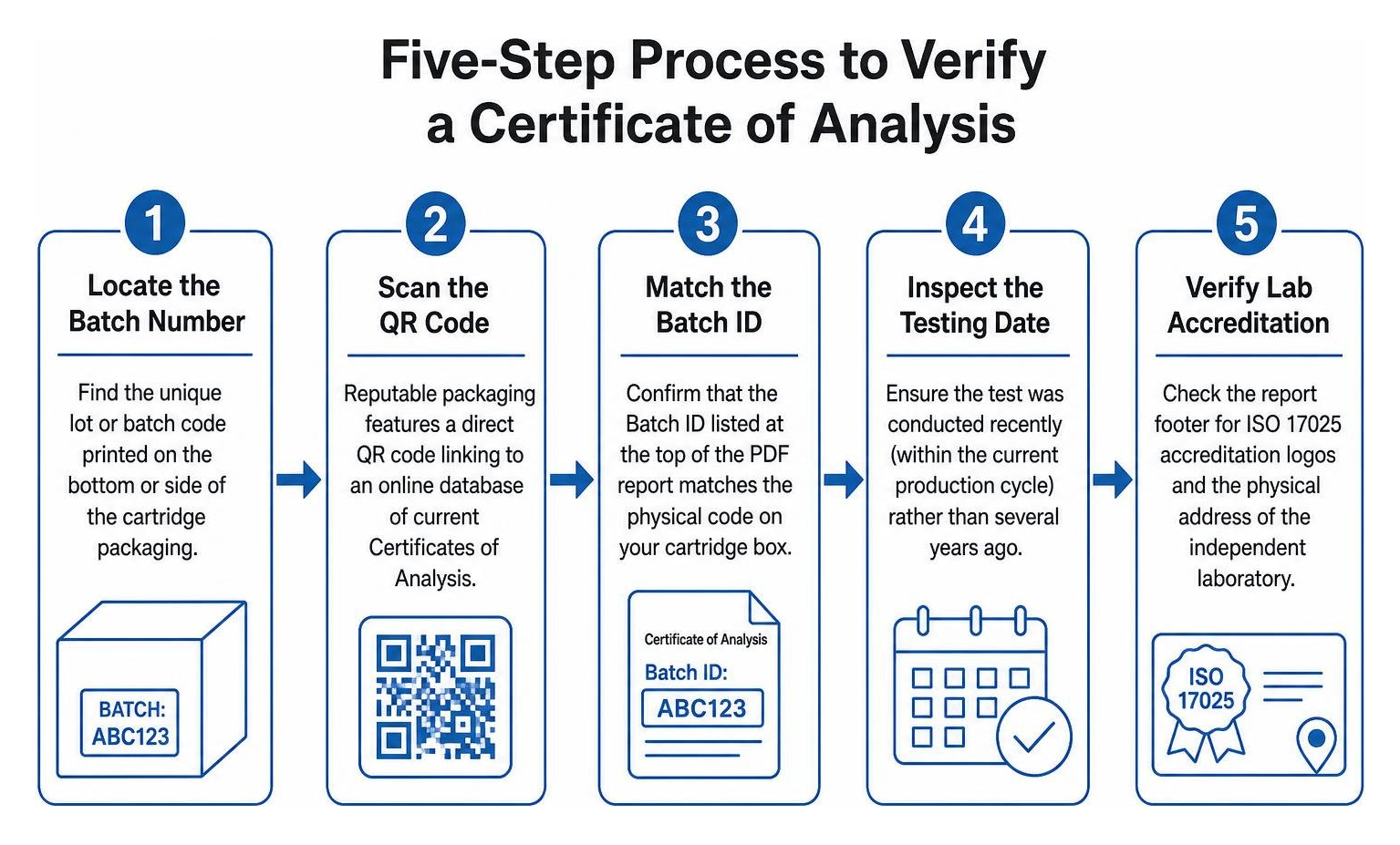
- Locate the Batch Number: Find the unique lot or batch code printed on the bottom or side of the cartridge packaging.
- Scan the QR Code: Reputable packaging features a direct QR code linking to an online database of current Certificates of Analysis.
- Match the Batch ID: Confirm that the Batch ID listed at the top of the PDF report matches the physical code on your cartridge box.
- Inspect the Testing Date: Ensure the test was conducted recently (within the current production cycle) rather than several years ago.
- Verify Lab Accreditation: Check the report footer for ISO 17025 accreditation logos and the physical address of the independent laboratory.
Consumer confidence is built on transparency. Studies confirm that brands offering verified third-party testing certifications see a 35% higher repeat purchase rate than untested alternatives. At Zaleaf, we back our tested formulations with convenient, fast delivery and secure discreet shipping so your products arrive safely at your doorstep without hassle.
How to Read a COA for a Third Party Tested CBD Vape Cartridge
Reading a Certificate of Analysis is straightforward when you focus on three core sections:
- Potency Summary: Check the cannabinoid concentrations listed in milligrams per gram (mg/g) or total percentage (%). Calculate whether the stated CBD quantity matches the front-label claims.
- Contaminant Status (Pass/Fail): Look for clear "Pass" indicators across all safety panels: residual solvents, pesticides, microbials, heavy metals, and foreign materials.
- Action Limits: Ensure the laboratory lists clear regulatory thresholds alongside the detected levels, showing that any trace elements fall safely below federal safety limits.
Frequently Asked Questions About Clean CBD Vaping
How do I know if a CBD vape lab report is authentic?
Verify that the QR code leads to a live, hosted report from an accredited third-party testing laboratory. The document should include a traceable laboratory sample ID, full contact information for the testing facility, a digital signature from the lead analytical chemist, and matching batch numbers. You can contact the testing lab directly to confirm sample authentication.
What harmful ingredients are filtered out by third-party testing?
Comprehensive testing screens for residual extraction hydrocarbons (butane, hexane), heavy metals (lead, arsenic, cadmium, mercury), synthetic cannabinoids, mycotoxins, agricultural pesticides, and vitamin E acetate.
How often should reputable vape brands test their product batches?
Reputable brands test every individual production batch. Testing occurs at two critical phases: initial raw extract screening before mixing, followed by post-production verification of the finished hardware batch to rule out any heavy metal leaching.
Conclusion
Finding safe, high-grade vapor products should never involve guessing games or unverified marketing claims. Prioritizing clean formulations, third-party lab testing, and pure botanical profiles ensures that every inhalation delivers clean, reliable botanical wellness.
At Zaleaf, we specialize in 100% legal cannabis products designed around enhanced cannabinoid and terpene profiles for distinct, mood-specific effects. All of our formulations undergo rigorous third-party lab testing to ensure complete purity, safety, and label accuracy—with fast shipping, discreet packaging, and no medical card or ID required.
To deepen your understanding of lab safety, extraction purity standards, and analytical testing metrics, read our detailed guide on understanding purity testing in vapes to stay informed and vape with absolute confidence.