

The Smart Consumer Field Guide to High Quality Gummies
How to Spot High Quality Gummies

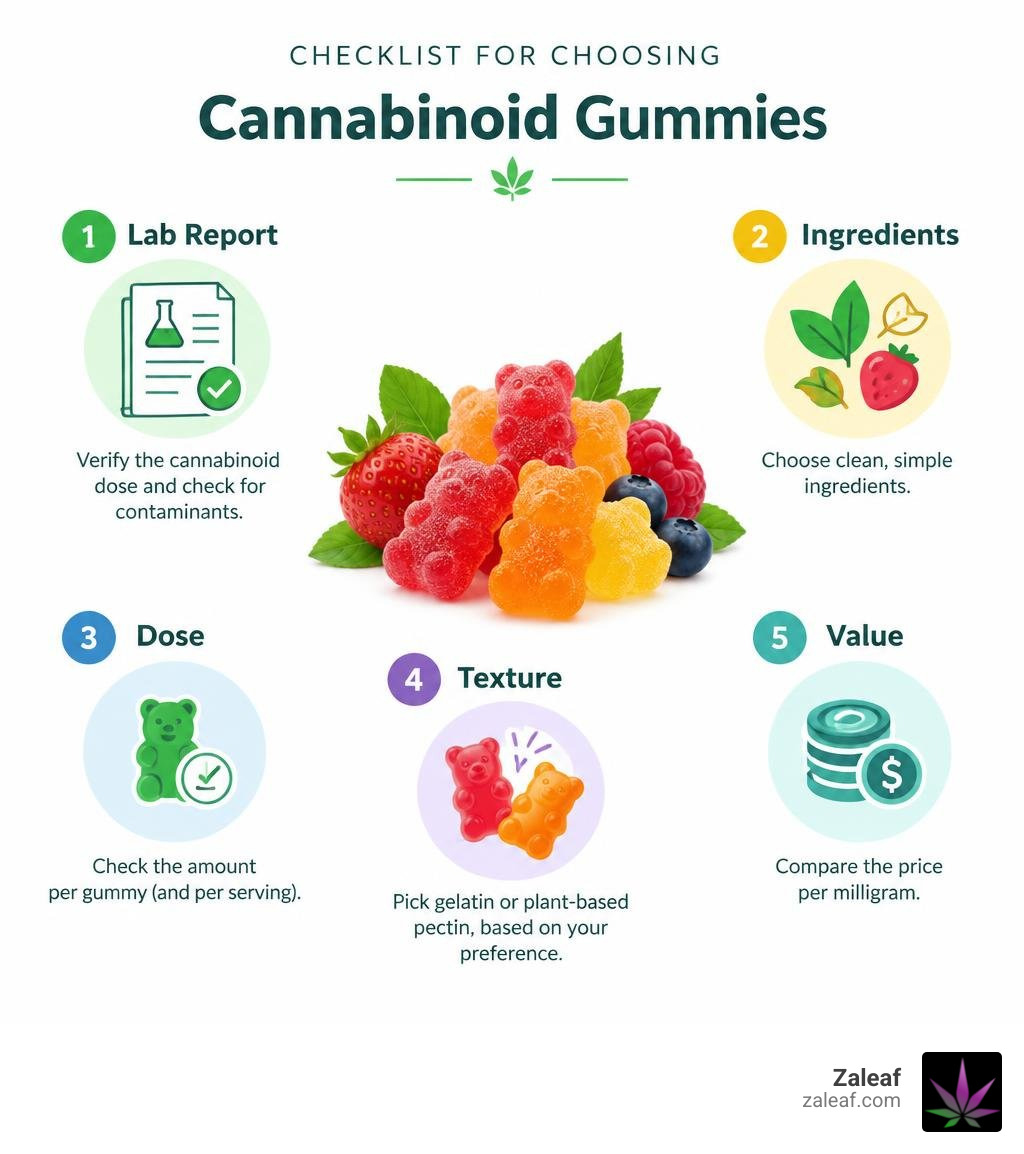
Start with the batch-specific lab report. For high quality gummies, check that an independent lab has confirmed the cannabinoid dose and screened for contaminants such as heavy metals, pesticides, and residual solvents. Then read the ingredient list, choose a gelatin or plant-based pectin texture that suits you, and compare the price per milligram. A good taste matters, but it cannot tell you whether the dose is accurate.
If avoiding a positive drug test is essential, know that THC gummies can cause one. Check the cannabinoid content before you buy.
I’m Max Shemesh, owner and CEO of Zaleaf. My work developing cannabinoid products has taught me that high quality gummies are worth judging by what can be verified, not just what is promised.
High quality gummies word roundup:
For a broader regulatory perspective on edible safety, the FDA’s guidance on cannabis-derived compounds outlines the federal framework that responsible manufacturers follow.
What Defines High Quality Gummies in Modern Cannabinoid Production
Modern cannabinoid manufacturing has evolved far past simple kitchen-table infusions. Today, producing high quality gummies requires strict adherence to Current Good Manufacturing Practice (cGMP) regulations. These standards ensure that every batch is manufactured in clean, climate-controlled environments with calibrated industrial machinery capable of delivering accurate cannabinoid distribution.
Cannabinoid integrity starts with clean extraction techniques. Premium processors utilize solventless rosin pressing or closed-loop supercritical CO2 systems to harvest active compounds without leaving behind petrochemical residues. These extracts retain native terpenes and minor cannabinoids that contribute to tailored effects. In contrast, low-grade products often rely on cheap, improperly purged distillates or synthetic conversion oils that lack botanical depth and carry chemical impurities.
| Quality Factor | High-Quality Formulations | Low-Quality Commercial Edibles |
|---|---|---|
| Infusion Method | Homogeneously infused into base syrup | Surface sprayed or dusted after molding |
| Gelling Base | Clean fruit pectin or high-grade gelatin | Low-bloom gelatin or cheap starches |
| Sweeteners | Organic cane sugar, tapioca, fruit juices | High-fructose corn syrup, artificial sugars |
| Lab Verification | Full-panel batch-specific third-party COA | Potency-only test, outdated, or absent |
| Flavor & Color | Naturally derived fruit extracts & terpenes | Red 40, Yellow 5, synthetic flavorings |
| Dosing Accuracy | Target potency met within ±5–10% | Frequent variance exceeding ±30–50% |
Gelatin vs. Pectin Formulations: Texture, Dietary Fit, and Shelf Stability
The foundational gelling agent determines a gummy's bite, environmental tolerance, and dietary accessibility. Knowing the structural differences between gelatin and pectin helps you choose the right product for your routine.
Selecting High Quality Gummies with Vegan Pectin Bases
Pectin is a naturally occurring structural carbohydrate derived from citrus peels and apples. Unlike gelatin, which is an animal-derived protein sourced from livestock collagen, pectin is 100% plant-based. This makes pectin-based options naturally suitable for vegan, vegetarian, kosher, and halal lifestyles.
Beyond dietary inclusivity, pectin offers superior thermal stability. Pectin possesses a much higher melting threshold than animal gelatin, meaning pectin-based gummies will not melt into a single gelatinous mass inside a warm mailbox or glove compartment. If you are looking for pure plant-based formulations, selecting clean vegan fruit gummies guarantees clean dietary compliance alongside dependable physical resilience.
Assessing Texture, Chewiness, and Long-Term Stability
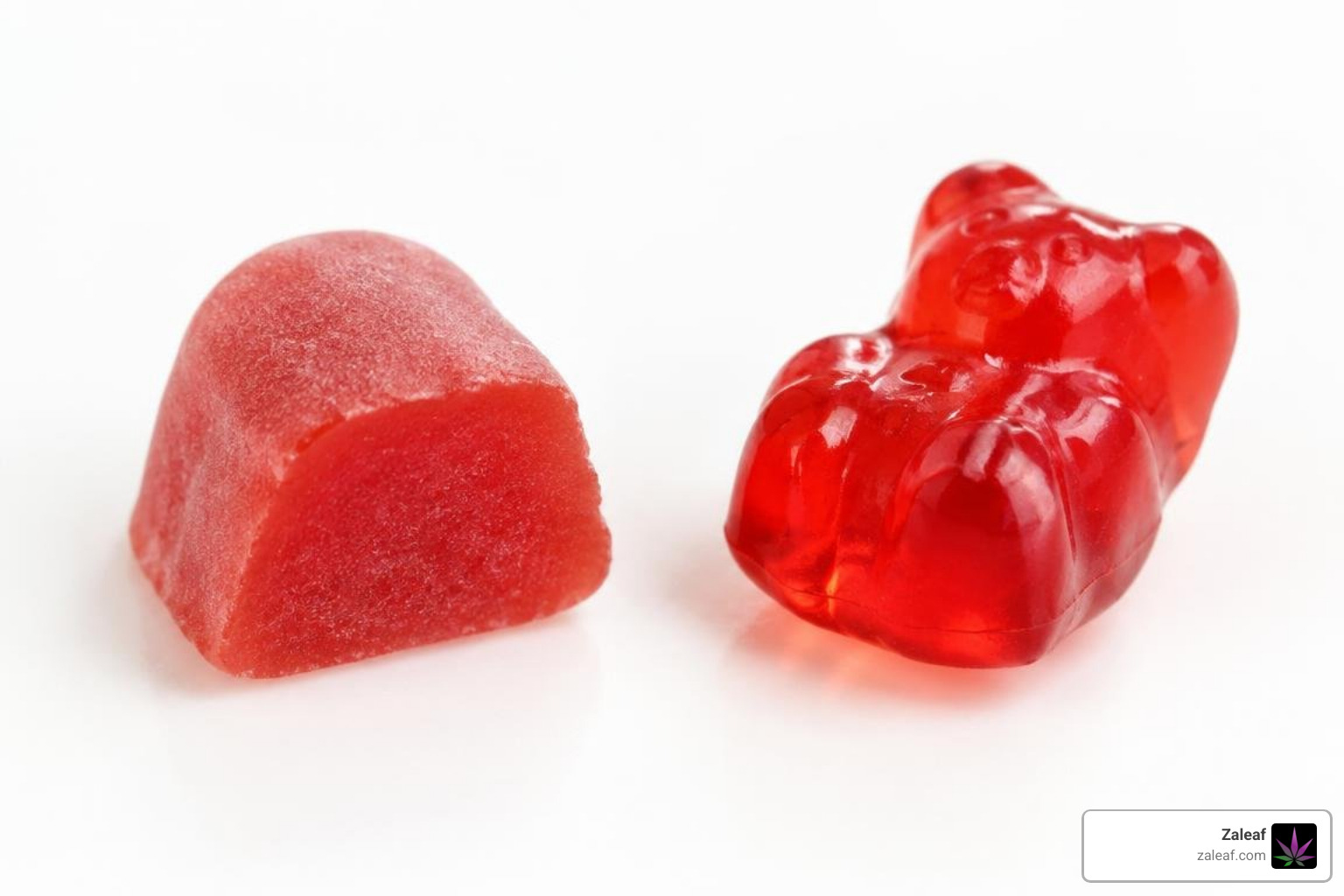
Gelatin yields an elastic, bouncy, and chewy bite that requires deliberate chewing before dissolving. Pectin, on the other hand, provides a cleaner, tender "short" bite that cuts easily and melts smoothly on the palate.
Texture also reflects long-term structural stability. Low-quality commercial edibles often experience syneresis (moisture sweating) or surface crystallization, where sugar grains bleed out onto the surface due to improper pH balancing. High-grade formulas manage moisture retention and acidity carefully, preventing sugar bloom and preserving a soft, fresh mouthfeel throughout the product's entire shelf life.
Clean Ingredients and Additives to Avoid
A look at the ingredient deck reveals whether a manufacturer prioritizes consumer wellness or manufacturing shortcuts.
Natural Sweeteners and Flavoring Profiles
Premium formulations rely on clean carbohydrates like organic tapioca syrup and raw cane sugar, balancing sweetness with real fruit purées. Real fruit concentrates add natural citric acids that bring out juicy flavors without the bitter chemical aftertaste common in synthetic candy.
Furthermore, premium formulas incorporate strain-specific botanical terpenes to enrich both flavor and functional effects. Options like signature blend gummies combine nuanced flavor profiles with targeted cannabinoid profiles, offering a noticeably richer sensory experience than single-note artificial flavors.
Fillers and Synthetic Additives in Subpar Formulations
Low-cost formulas frequently cut corners by utilizing high-fructose corn syrup (HFCS) alongside artificial dyes like Red #40, Yellow #5, and Blue #1. These synthetic colorings offer zero nutritional or sensory value and can cause digestive irritation in sensitive consumers.
Subpar products also lean on artificial preservatives like sodium benzoate and potassium sorbate to mask poor sanitation during manufacturing. Clean formulations achieve natural preservation through precise water activity levels ($a_w < 0.65$) and natural citrus-derived citric acid, avoiding the need for harsh synthetic chemicals.
Third-Party Testing, Potency Verification, and Safety Standards
Consistent safety and dosing rely on verifiable laboratory data.
Why Third-Party Lab Testing Defines High Quality Gummies
A comprehensive Certificate of Analysis (COA) issued by an ISO/IEC 17025 accredited laboratory is non-negotiable. Independent studies have revealed that up to 40% of commercial edibles fail to match their stated label claims within an acceptable 10% variance.

A genuine, full-panel COA must verify:
- Cannabinoid Profile: Exact milligram concentrations per piece for Delta 9 THC, CBD, CBG, CBN, and other active compounds.
- Heavy Metals: Confirmed non-detectable levels for lead, arsenic, cadmium, and mercury.
- Pesticides & Microbials: Absence of agricultural residues, mycotoxins, mold, yeast, and E. coli.
- Residual Solvents: Verification that butane, propane, or ethanol used during initial extraction were fully purged.
Cannabinoid Infusion vs. Surface Spraying
The method used to apply cannabinoids determines how reliably an edible performs:
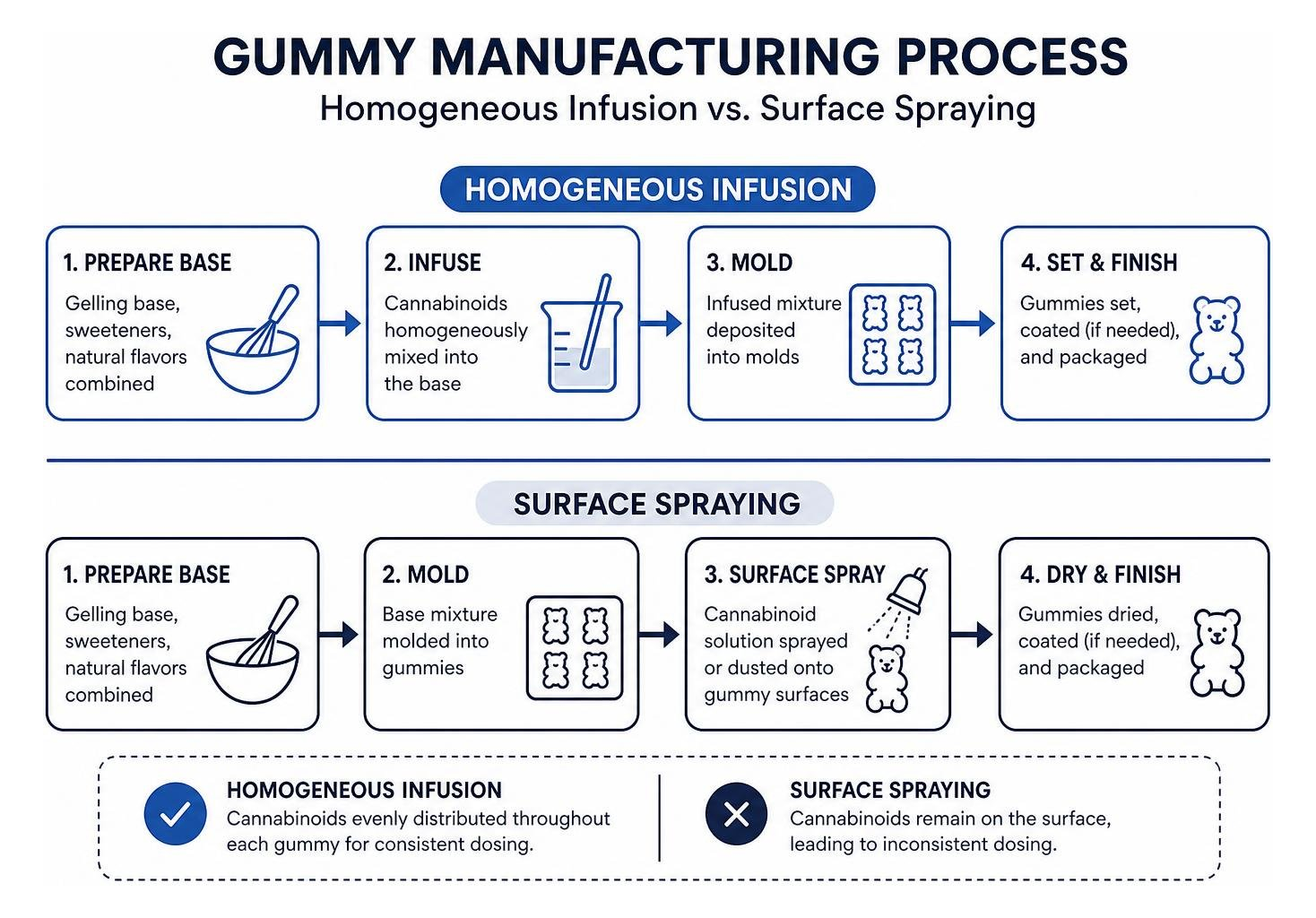
- Homogeneous Infusion: The cannabinoid extract is emulsified directly into the warm pectin or gelatin syrup prior to molding. Every piece contains an identical, evenly distributed dose suspended inside the gummy's internal matrix.
- Surface Spraying: Plain, pre-made bulk candy is placed on a conveyor belt and misted with a cannabinoid distillate wash.
Sprayed edibles are prone to rapid degradation from air exposure, dosage variations between pieces in the same container, and cannabinoid residue left behind on the packaging walls. Opting for infused items like live resin delta 9 gummies ensures that active resin compounds remain protected within the gummy matrix, delivering uniform potency with every serving.
Price vs. Value: Comparing Premium Formulations to Commercial Edibles
While premium cannabinoid edibles often carry a 25% to 50% price premium over bargain alternatives, evaluating the cost per milligram of verified active cannabinoids reveals their actual value.
Low-cost, unverified edibles frequently under-deliver on active potency, meaning you must consume two or three times as many pieces to achieve the desired effect. In contrast, premium edibles formulated with bioavailable carrier lipids (such as organic MCT oil) improve cannabinoid absorption in the digestive tract, maximizing the physiological impact of every milligram.
For routine users seeking consistent quality at a practical cost, purchasing curated edible bundles significantly lowers the cost per milligram while maintaining verified purity standards.
Frequently Asked Questions About Edible Quality
How can consumers tell if a gummy is infused rather than sprayed?
Examine the gummy's surface under light. Sprayed gummies often appear greasy, powdery, or unevenly shiny, and they may leave an oily residue on your fingers. Infused gummies show a uniform color and texture throughout the entire piece. When cut in half, an infused gummy has an identical cross-section with no distinct outer coating.
Why are pectin-based edibles generally superior in hot climates?
Pectin forms a rigid, heat-tolerant carbohydrate gel matrix with a melting point exceeding 140°F (60°C). Animal gelatin softens and liquefies at body temperature (around 95°F–98°F). During warm-weather transit, gelatin gummies can melt into a single pool of syrup, whereas pectin preserves its shape and dosage boundaries.
How long do premium cannabinoid gummies maintain their active potency?
Properly stored in airtight, UV-blocking containers away from heat and direct sunlight, high-grade cannabinoid gummies maintain their full active potency for 12 to 18 months. Over time, active THC naturally oxidizes into CBN if exposed to light and ambient air, which reduces daytime potency and increases sedative characteristics.
Conclusion
Choosing the right cannabinoid edible comes down to transparency, verified ingredients, and disciplined manufacturing. By focusing on plant-based pectin bases, natural fruit extracts, and batch-specific, full-panel laboratory testing, you can avoid under-dosed and synthetic products.
At Zaleaf, we provide 100% legal, lab-verified cannabinoid products shipped in discreet packaging directly to your door, with no medical card or ID required. To deepen your understanding of formulation standards, explore the latest guides and lab-tested product insights to find the ideal match for your wellness routine.