

Beginner's Guide to Third-Party Tested Edibles
Why You Can't Afford to Skip Third-Party Testing on Edibles
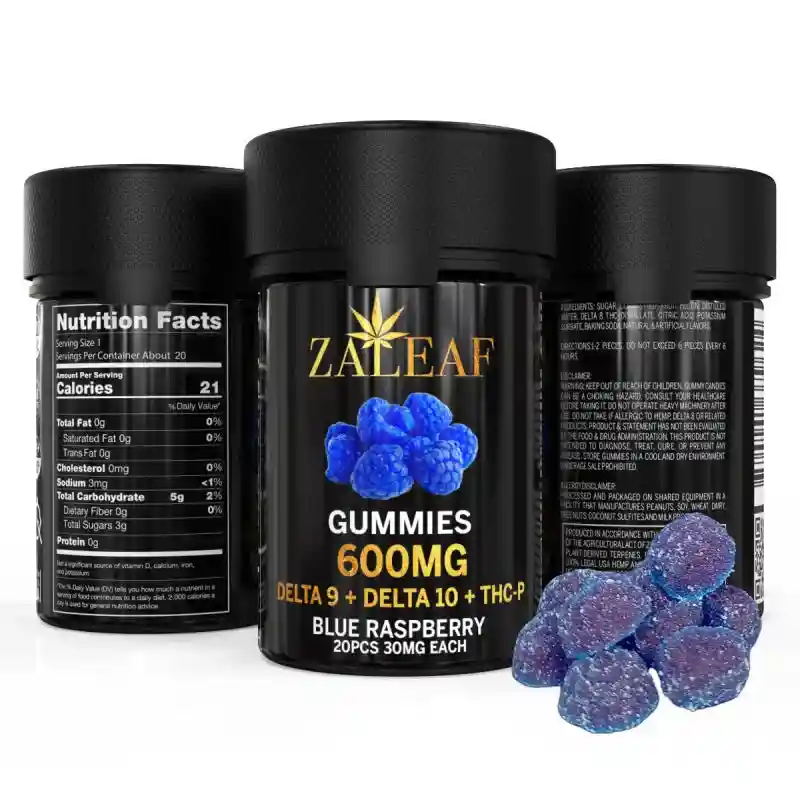
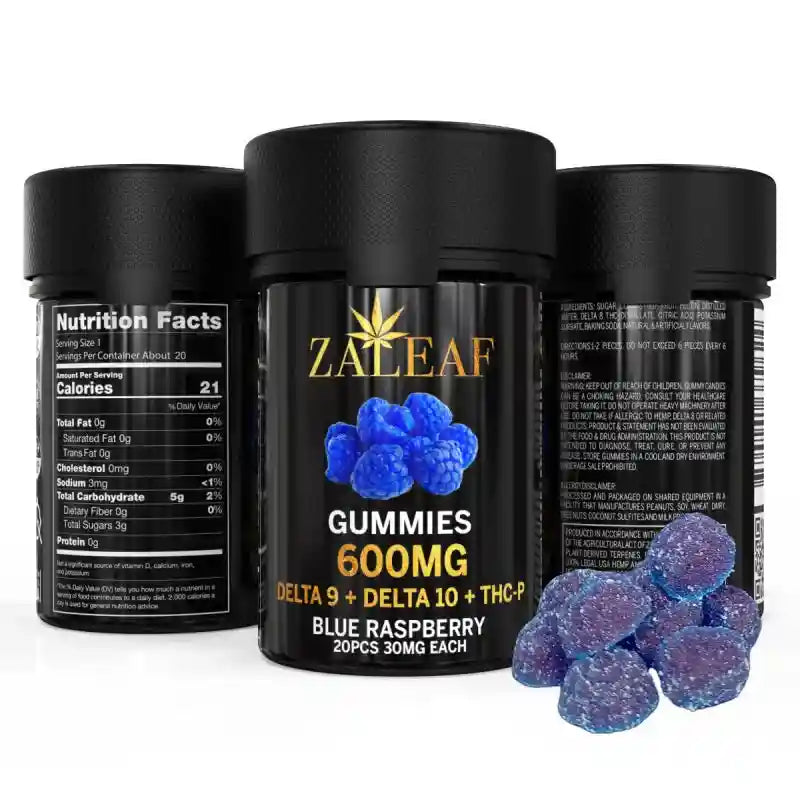
Third-party tested edibles are products verified by an independent laboratory — one with no financial stake in the results — confirming what's actually inside before you consume them.
Here's what third-party testing confirms at a glance:
| What's Verified | Why It Matters |
|---|---|
| Cannabinoid potency (THC, CBD, CBN) | You get the dose on the label — no more, no less |
| Pesticide residues | Protects you from harmful agricultural chemicals |
| Heavy metals (lead, arsenic, mercury, cadmium) | Ensures the product won't accumulate toxins in your body |
| Residual solvents | Confirms no harmful extraction chemicals remain |
| Microbial contaminants (E. coli, Salmonella, mold) | Guarantees the product is safe to eat |
| Legal compliance (<0.3% Delta-9 THC) | Confirms the product meets federal hemp standards |
Choosing an edible without third-party test results is essentially trusting a brand's word alone. In a market that's growing fast and still lightly regulated in many states, that's a real risk — especially if you care about consistent dosing, avoiding contaminants, or staying on the right side of the law.
The good news? Reputable brands make their lab results — called Certificates of Analysis (COAs) — publicly available, often scannable right on the packaging.
I'm Max Shemesh, Owner and CEO of Zaleaf, and I've spent my career building transparent, high-quality cannabinoid products — including a growing lineup of third-party tested edibles held to the strictest purity and potency standards. In the guide below, I'll walk you through exactly what to look for so you can shop with confidence.
Why Third Party Tested Edibles are the Gold Standard in 2026
As we move through 2026, the landscape of cannabis and hemp has shifted dramatically. While the 2018 Farm Bill laid the groundwork for legal hemp-derived products by limiting Delta-9 THC to 0.3% on a dry weight basis, the industry has self-regulated to meet even higher expectations. Today, third party tested edibles aren't just a "nice to have"—they are the industry gold standard.
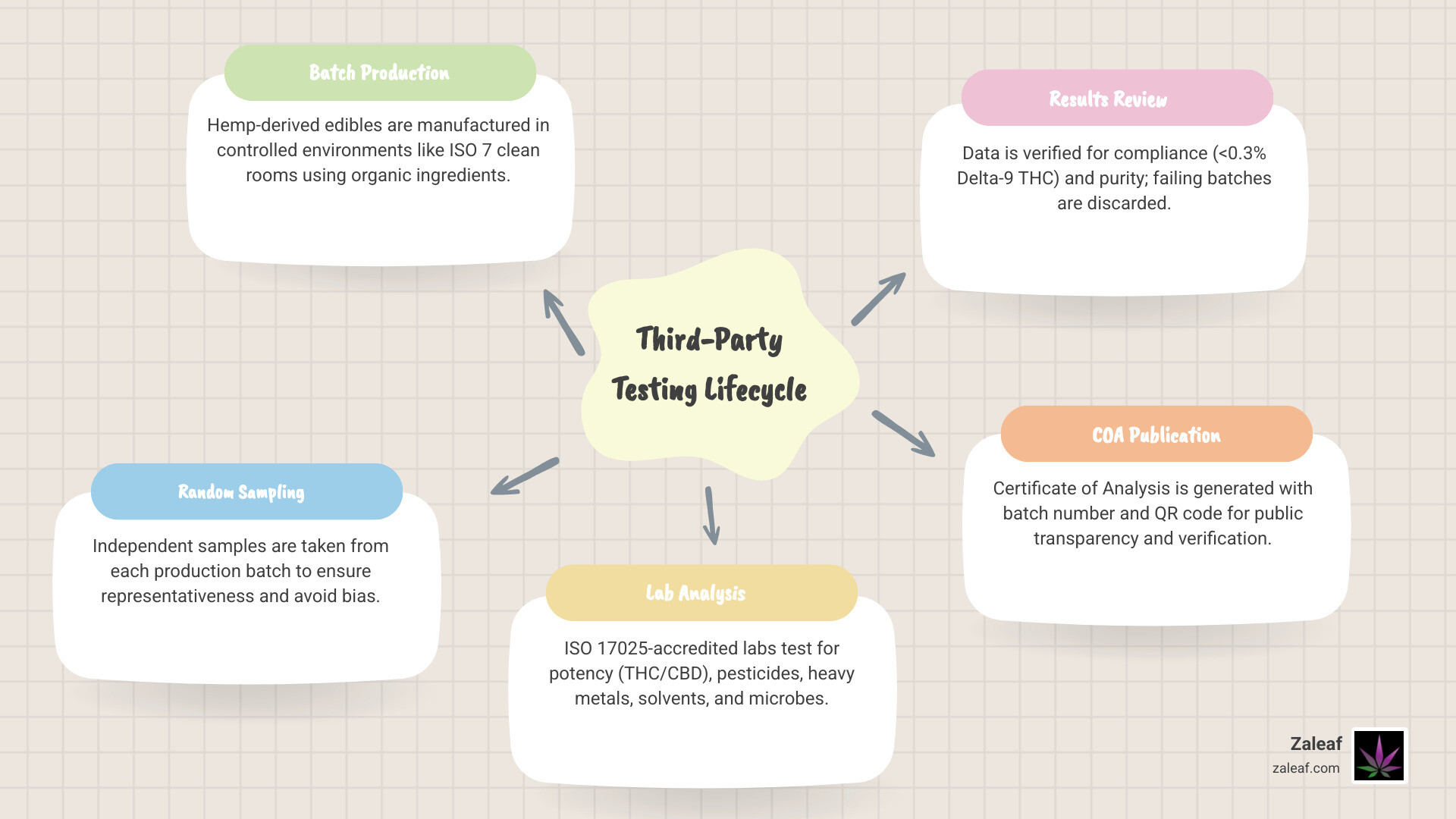
Federal compliance is the baseline, but the real magic happens through independent verification. Reputable brands now seek out ISO 17025-accredited laboratories. This accreditation isn't just a fancy number; it means the lab has demonstrated a high level of technical competence and the ability to produce precise, accurate test data. When we send our products to these labs, we are essentially asking a tough teacher to grade our homework. If the product doesn't pass every single metric, it never reaches your door.
This level of scrutiny is vital because hemp is a bioaccumulator. This means the plant is incredibly efficient at sucking up everything from the soil it grows in—both the good nutrients and the bad toxins. Without rigorous testing, you could inadvertently be consuming heavy metals or pesticides along with your cannabinoids. Furthermore, Scientific research on CBD safety and regulation highlights that while cannabinoids offer numerous wellness benefits, the purity of the extract is paramount to avoiding adverse reactions.
Verifying Purity in Third-Party Tested Edibles
When we talk about "purity," we aren't just using a marketing buzzword. In third party tested edibles, purity refers to a comprehensive "Full Panel" screening. This process checks for several "uninvited guests" that could ruin your experience:
- Pesticide Screening: Top-tier labs screen for over 150 different pesticides. Even if a farm claims to be organic, drift from neighboring farms can contaminate crops. Testing ensures your gummies are clean.
- Heavy Metals: Labs specifically look for the "Big Four": lead, mercury, cadmium, and arsenic. These can be naturally present in soil but should never be in your brownies.
- Residual Solvents: Many extracts use solvents like CO2, ethanol, or even butane. Testing confirms that these solvents have been completely purged from the final oil.
- Microbial Contaminants: This is essentially food safety. We test for Salmonella, E. coli, mold, and yeast to ensure that your edibles are as safe to eat as any product in a high-end grocery store.
By insisting on these tests, we ensure that the only thing you feel is the intended effect of the cannabinoids and terpenes.
How to Verify Quality: Reading COAs and Batch Numbers
The most important document in the cannabis world is the Certificate of Analysis (COA). If a brand cannot provide a COA for the specific batch you purchased, that is an immediate red flag. But how do you actually read one?
First, look for the Batch Number. This number should match the sticker or stamp on your product packaging. It links your specific jar of gummies to a specific day of production and a specific lab test. Most modern brands now include QR codes on the label. A quick scan with your smartphone should take you directly to a PDF of the lab results.
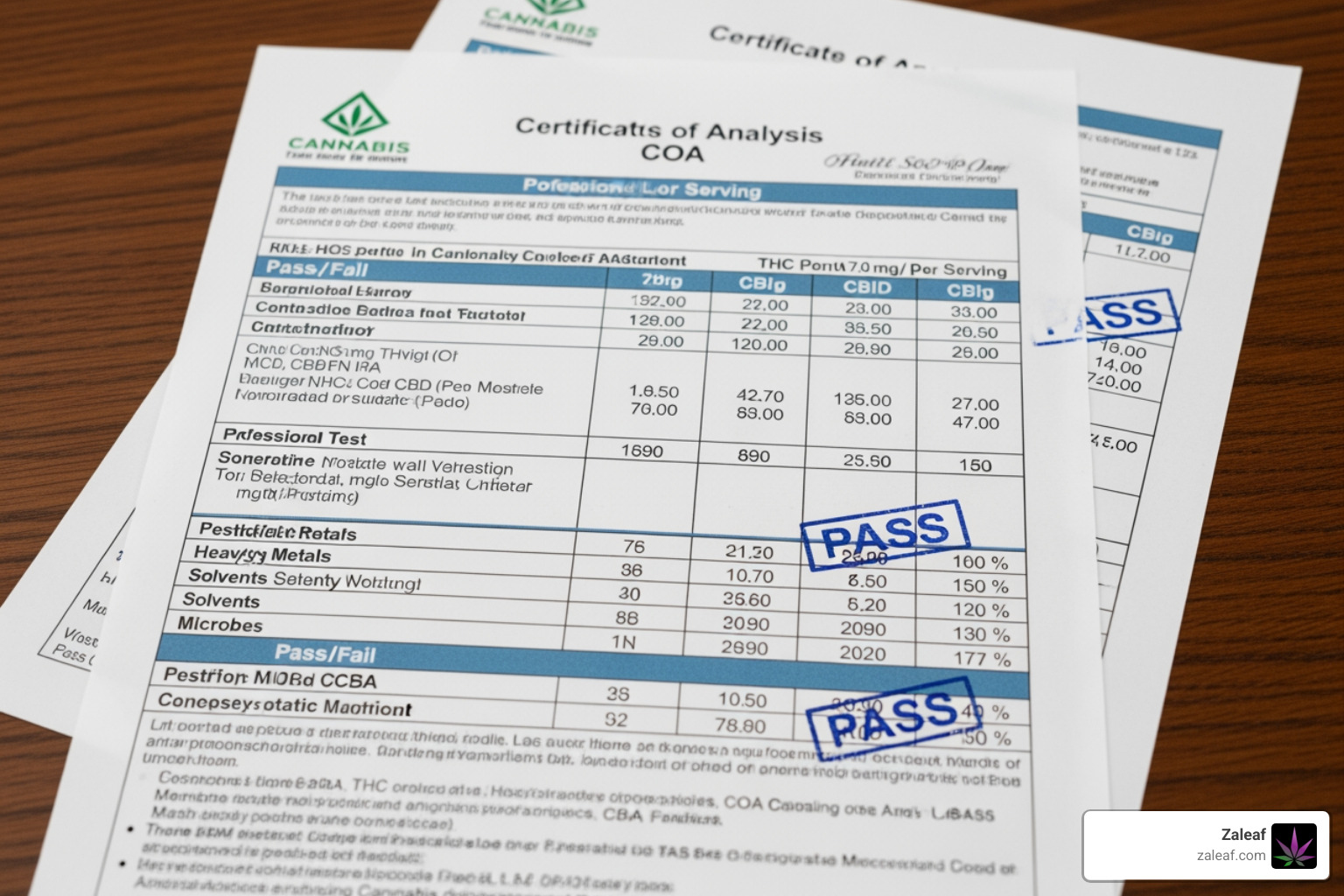
Once you're looking at the COA, check the Potency Verification. It will list the milligrams of THC, CBD, and other cannabinoids per serving. Compare this to the label. A 10mg gummy should test at 10mg (usually with a small, state-allowed variance). Next, look for the "Pass" status on the contaminant panels. If you see "ND" (None Detected) or "LOQ" (Limit of Quantitation), it means the lab didn't find harmful levels of toxins.
Hemp-Derived vs. Dispensary Testing Standards
There is often confusion regarding whether hemp-derived THC products are as safe as those found in medical dispensaries. In 2026, the gap has largely closed due to brands adopting "dispensary-grade" testing protocols voluntarily.
| Feature | Hemp-Derived Edibles (Zaleaf Standard) | Traditional Dispensary Edibles |
|---|---|---|
| Primary Law | 2018 Farm Bill (Federal) | State-Specific Laws |
| THC Limit | <0.3% D9 THC by dry weight | Varies by state (often 10mg/serving) |
| Lab Requirement | ISO 17025 Accredited (Best Practice) | Mandatory State Testing |
| Contaminant Testing | Full Panel (Pesticides, Metals, etc.) | Mandatory Full Panel |
| Accessibility | 49+ States; No ID/Card Required | Legal States Only; ID/Card Required |
As you can see, by choosing third party tested edibles from a transparent brand, you are getting a product that meets or exceeds the safety standards of a local dispensary, with the added benefit of federal legality and home delivery.
Top Lab-Verified Edible Formats for Every User
The variety of third party tested edibles available today is staggering. No longer limited to just "pot brownies" made in a basement, modern edibles are culinary masterpieces created in controlled environments.

Fruit Gummies and Vegan Options
Gummies remain the most popular format. Why? Because they are easy to dose and have a long shelf life. Many of our favorites are now vegan and organic, using pectin instead of gelatin and organic cane sugar instead of high-fructose corn syrup. These are often manufactured in certified ISO 7 Clean Rooms—the same type of environment used to make medical devices—to ensure zero cross-contamination.
Belgian Chocolates and Baked Goods
For those with a more sophisticated palate, premium THC chocolates often use world-class ingredients like Callebaut Belgian chocolate. These are not just sweets; they are precision-dosed wellness tools. Whether it's a 50mg "THC Complex" cookie or a 1500mg mega-bar designed to be broken into tiny triangles, third-party testing ensures that each bite has the exact amount of cannabinoid content promised.
THC Beverages and Elixirs
A rising star in 2026 is the THC beverage. From seltzers to syrups, these offer a faster onset than traditional edibles (often 15-30 minutes) because they use nano-emulsification. Testing these is crucial to ensure the cannabinoids stay "in suspension" and don't settle at the bottom of the can, which would lead to an inconsistent dose.
Dosing and Safety: What Beginners Need to Know
If you are new to third party tested edibles, the golden rule is: Start low and go slow. Because edibles are processed by the liver, they convert Delta-9 THC into 11-Hydroxy-THC, a compound that is significantly more potent and longer-lasting.
- Starting Dose: For a true beginner, we recommend 2mg to 5mg. You can easily achieve this by cutting a 10mg gummy into halves or quarters.
- Onset Time: Expect to wait 30 to 90 minutes to feel anything. Do not—we repeat, do not—take more because you "don't feel it yet" at the 45-minute mark.
- Duration: The effects typically last 4 to 8 hours, though a gentle "afterglow" can persist longer.
- Metabolism: Your experience will depend on whether you've eaten recently. Taking an edible on an empty stomach may lead to a faster, more intense onset, while a full meal might delay the effects.
Mood-Specific Benefits of Third-Party Tested Edibles
One of the most exciting developments in 2026 is the move toward strain-specific edibles. By using live resin or specific terpene profiles, we can now offer edibles that target a specific "vibe" rather than just a general high.
- Indica Gummies: Often infused with terpenes like Myrcene and Linalool, these are designed for "couch-lock," relaxation, and deep sleep.
- Sativa Gummies: Infused with Limonene or Pinene, these are perfect for creative projects, social gatherings, or daytime chores.
- Hybrid Gummies: A balanced blend for those who want a bit of both—functional relaxation.
This is made possible by the "Entourage Effect," where cannabinoids and terpenes work together synergistically. Third-party testing verifies these terpene profiles, ensuring your "Sativa" gummy actually contains the uplifting compounds you're paying for.
Frequently Asked Questions about Lab-Tested Edibles
What red flags should I look for in a lab report?
Not all lab reports are created equal. When reviewing a COA for third party tested edibles, watch out for:
- Missing Dates: A report from 2022 isn't relevant for a product you bought in 2026.
- Expired COAs: If the "Finalized Date" is more than a year old, the brand may not be testing every batch.
- Non-Accredited Labs: Ensure the lab is ISO 17025 accredited.
- Incomplete Panels: If the report only shows potency but skips pesticides and heavy metals, the brand is cutting corners.
How often do reputable brands update their lab results?
Reputable brands update their results for every single batch. In 2026, many brands use real-time batch-specific tracking. This means that when you enter your batch number on a website, you see the exact results for the "lot" your product came from, not just a generic "master" report.
Can hemp-derived THC show up on a drug test?
Yes. This is a crucial point for consumers to understand. Most drug tests screen for THC metabolites, and they often cannot distinguish between Delta-9 THC derived from hemp and that derived from marijuana. Even if the product is federally legal, it can trigger a positive result. If you are subject to strict drug testing, you should exercise extreme caution or opt for broad-spectrum (THC-free) products, though even those carry a non-zero risk due to cross-reactivity in some testing technology.
Conclusion
The era of "guessing" what's in your cannabis is over. By choosing third party tested edibles, you are taking control of your wellness journey. You deserve to know that your gummies are free of lead, that your chocolates aren't hiding pesticides, and that your Friday night "vibe" is backed by actual science.
At Zaleaf, we specialize in enhancing cannabinoid and terpene profiles to provide mood-specific effects that you can rely on. Every product we offer undergoes rigorous 3rd party testing to ensure it meets our "No BS" standard for purity and potency. With discrete packaging and fast shipping, we make it easy to access 100% legal, high-quality cannabis without the need for an ID or medical card.
Ready to experience the difference that transparency makes? More info about lab-tested cannabis products can be found on our blog, or you can browse our collection of verified edibles today. Stay safe, stay informed, and enjoy the glow!