

The Lowdown on Delta 8 Vapes: Your Comprehensive Guide

Why Delta 8 Vapes Are Getting So Much Attention

Delta 8 vape products are gaining popularity as a legal alternative to traditional cannabis, but they exist in a complex landscape of benefits, risks, and regulatory concerns.
Quick Answer:
- What it is: Delta-8 THC is a hemp-derived cannabinoid with milder psychoactive effects than Delta-9 THC.
- How it works: Vaping delivers Delta-8 rapidly through the lungs, with effects felt in 5-15 minutes.
- Legal status: Federally legal if from hemp with <0.3% Delta-9 THC, but many states have banned it.
- Safety concerns: An unregulated market creates risks of contaminants and harmful chemicals.
- Key consideration: Always choose third-party tested products from reputable brands.
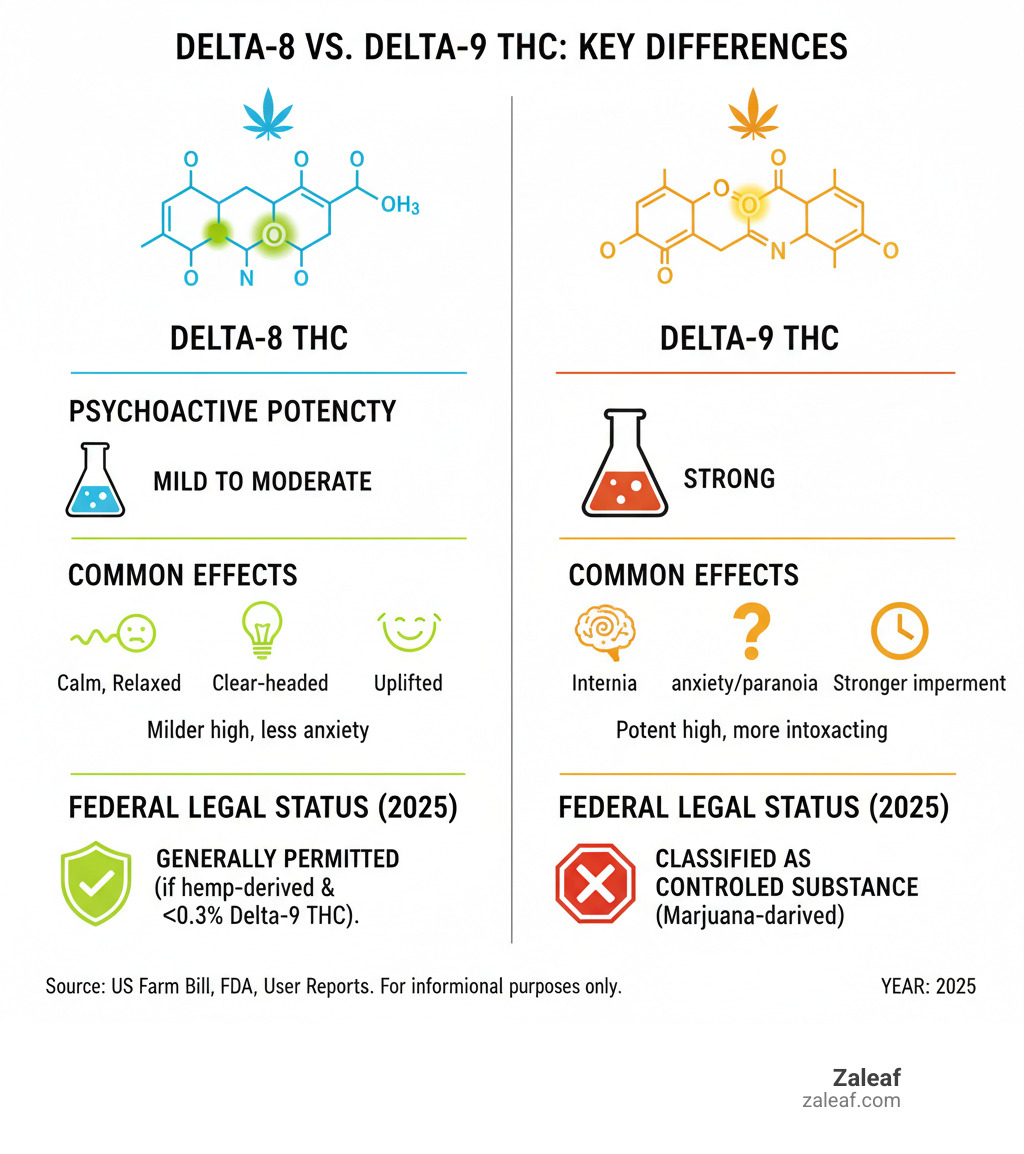
Delta-8 THC is chemically similar to Delta-9 THC (the main psychoactive compound in cannabis), but a small structural difference reduces its attraction to cannabinoid receptors in the brain. This results in what many users describe as a milder, more manageable high with less anxiety.
However, the unregulated nature of the market presents serious risks. The FDA received 104 adverse event reports for Delta-8 products between December 2020 and February 2022, with 55% requiring hospital intervention. In that same period, national poison control centers reported 2,362 exposure cases, with 82% of unintentional exposures affecting children.
The primary concern is how Delta-8 is made. It occurs in trace amounts naturally, so it's typically synthesized from CBD. Without regulation, this process can involve unsafe chemicals and unsanitary conditions, leading to harmful by-products in the final product.
I'm Max Shemesh, Owner & CEO of Zaleaf. My company is focused on delivering high-quality delta 8 vape products through rigorous third-party testing and transparent manufacturing. In this guide, I'll provide the information you need to make a safe and informed decision about Delta-8 vapes.
Understanding Delta-8 THC: The "Nicer Younger Sibling" to Delta-9?
If you've heard of cannabis, you know about THC and CBD. The cannabis plant contains over 100 of these compounds, called cannabinoids, and Delta-8 THC is one of the most intriguing.
Cannabinoids interact with your body's endocannabinoid system, a network that helps regulate mood, appetite, sleep, and pain. For a deeper dive into how these compounds work, see A deeper look at THC and its cousins.
What is Delta-8 THC?
Delta-8 tetrahydrocannabinol is a naturally occurring cannabinoid in the Cannabis sativa plant (which includes both hemp and high-THC cannabis varieties). However, it exists in such tiny amounts that direct extraction is impractical.
As a result, nearly all delta 8 vape products are made by chemically converting plentiful, hemp-derived CBD into Delta-8 THC. This makes Delta-8 a chemical isomer of Delta-9 THC—they share the same formula but have a different atomic arrangement.
This structural difference is key. It gives Delta-8 less attraction to the cannabinoid receptors in your brain, producing a psychoactive experience that many users find milder and more manageable. If you're new to this cannabinoid, we've put together More on the basics of Delta-8.
How Delta-8 Differs from Delta-9 THC
The difference between Delta-8 and Delta-9 THC is the placement of a double bond in their molecular structure—on the eighth carbon chain for Delta-8 and the ninth for Delta-9. This small change has a big impact on its effects.
Delta-9 THC is the main psychoactive compound in high-THC cannabis, known for its potent intoxicating effects, which can sometimes trigger anxiety or paranoia.
Delta-8 THC offers a different experience. Users often describe a "milder high" that feels more clear-headed and functional. The psychoactive effects are present but generally less intense, leading to feelings of relaxation and upliftment without the racing thoughts that can accompany Delta-9.
Often called "cannabis-lite," it provides the pleasant aspects of THC with less intensity. To see how this plays out in products, our guide on Delta 8 vs. Delta 9 disposable vapes breaks it down.
Delta-8 vs. CBD
The main difference is simple: Delta-8 is psychoactive, and CBD is not.
A delta 8 vape will produce intoxicating effects—a genuine "high," though typically gentler than Delta-9's. Your perception will shift, and you'll feel its psychoactive properties.
CBD, on the other hand, causes no intoxication. It interacts with the endocannabinoid system differently, offering potential wellness benefits without altering your mental state. You will not feel "high" from CBD.
People choose Delta-8 for a relaxing, euphoric experience, while those who prefer CBD want to support their well-being without any intoxication. The choice depends entirely on your desired outcome. For more details, see our A comparative guide to Delta 8 and CBD.
Potential Effects and Risks of Vaping Delta-8
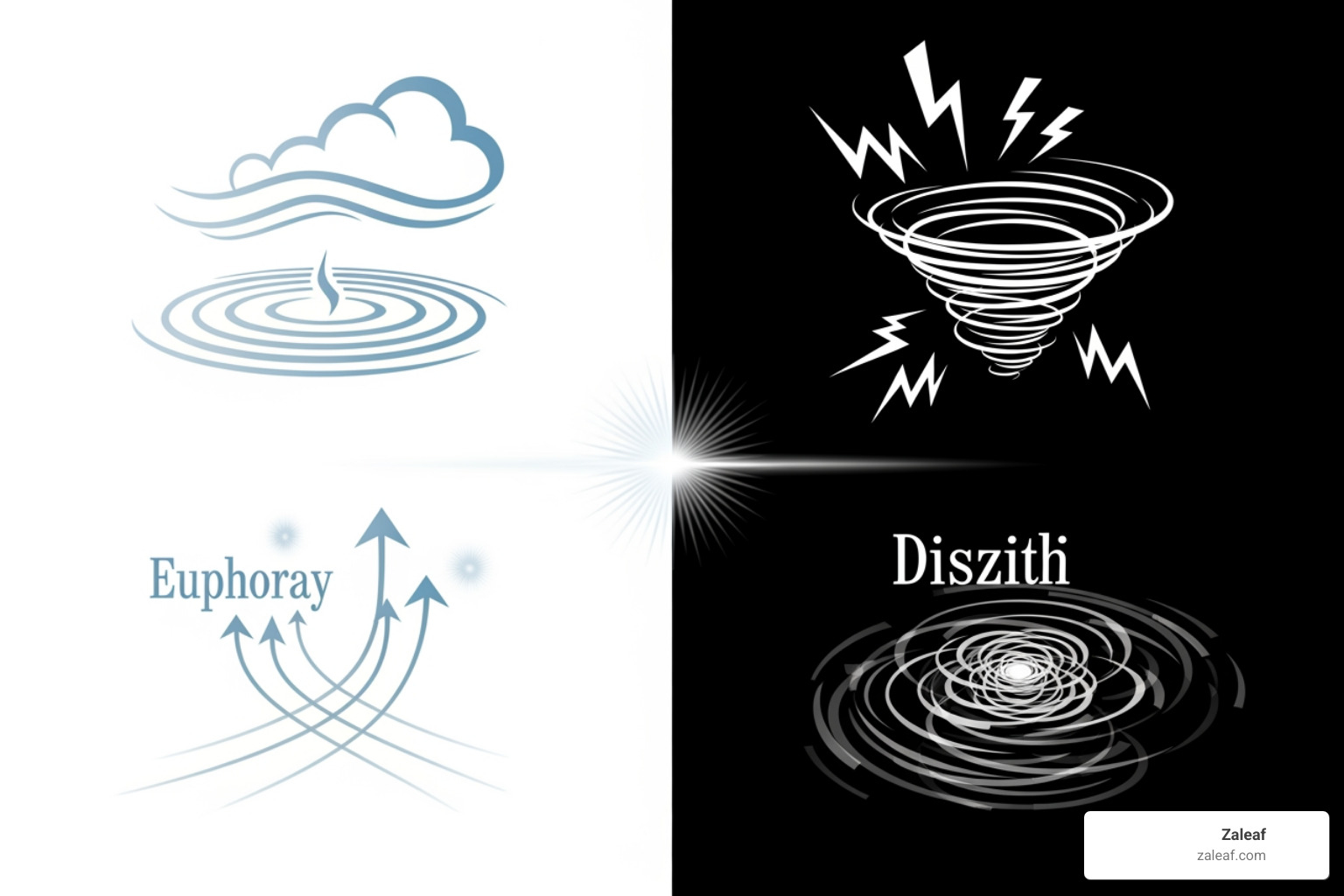
When considering Delta-8 vapes, it's crucial to weigh the potential benefits against the real risks of an unregulated market. The FDA has raised serious flags, and their report on adverse events is worth reading.
Potential Benefits and User-Reported Effects
Why are people drawn to these products? Many users report a sense of relaxation and euphoria that feels more manageable than traditional high-THC cannabis. Common experiences include feeling clear-headed, which can lead to improved focus.
Other reported effects include mood improvement, increased appetite (the "munchies"), and pain relief. It's important to remember these benefits are based on user anecdotes, not extensive clinical research. At Zaleaf, we refine our cannabinoid and terpene profiles to help achieve these mood-specific effects, whether for relaxation or creativity.
To learn more about user experiences, you can read what the reviews reveal about Delta-8 products.
Known Risks and Side Effects
The FDA has documented concerning data about Delta-8. Between December 2020 and February 2022, the agency received 104 adverse event reports, with 55% requiring hospital care. Reported reactions included hallucinations, vomiting, tremors, anxiety, dizziness, confusion, and loss of consciousness.
Poison control centers logged 2,362 exposure cases in the same period. Troublingly, 40% were unintentional exposures, and 82% of those cases involved children. The CDC Health Alert on Delta-8 THC provides more detail on these public health concerns.
These issues largely stem from the unregulated market. Without oversight, manufacturers may use unsafe chemicals, leading to contaminants and inaccurate potencies. This is why Zaleaf insists on rigorous third-party testing for every product.
Potential Long-Term Health Effects
Frankly, we don't have enough research on the long-term effects of vaping Delta-8. A 2022 paper highlighted this significant knowledge gap.
What we do know about vaping, in general, is cause for consideration. Some vape liquids contain potentially harmful flavoring chemicals. Studies have found that chemicals like diacetyl and others used for flavoring can cause inflammatory responses and have been linked to serious lung damage. Inhaling these substances directly into your lungs with a vape increases the potential for harm.
The bottom line is that using these products carries some level of unknown long-term risk. This uncertainty makes it even more critical to choose products from companies that prioritize safety, use third-party testing, and are transparent about their ingredients.
Your Guide to a Safe Delta 8 Vape Experience
Shopping for Delta-8 vapes can be overwhelming in an unregulated market. The quality gap between products is enormous and can mean the difference between a pleasant experience and a health risk. With the right knowledge, you can steer this landscape confidently. For a deeper dive, check out Demystifying third-party testing.
Manufacturing Concerns and Potential Contaminants
Because Delta-8 is synthesized from CBD, the manufacturing process is a major safety concern. Without oversight, some producers use unsafe household chemicals in unsanitary conditions. This can lead to final products containing harmful by-products, chemical residues, and heavy metals like lead and mercury. The lack of FDA regulation means no mandatory testing or quality control, leaving consumers vulnerable. This is why the manufacturing process is so critical when choosing a device.
What to Look For to Ensure Quality and Safety
To separate good products from dangerous ones, look for these clues:
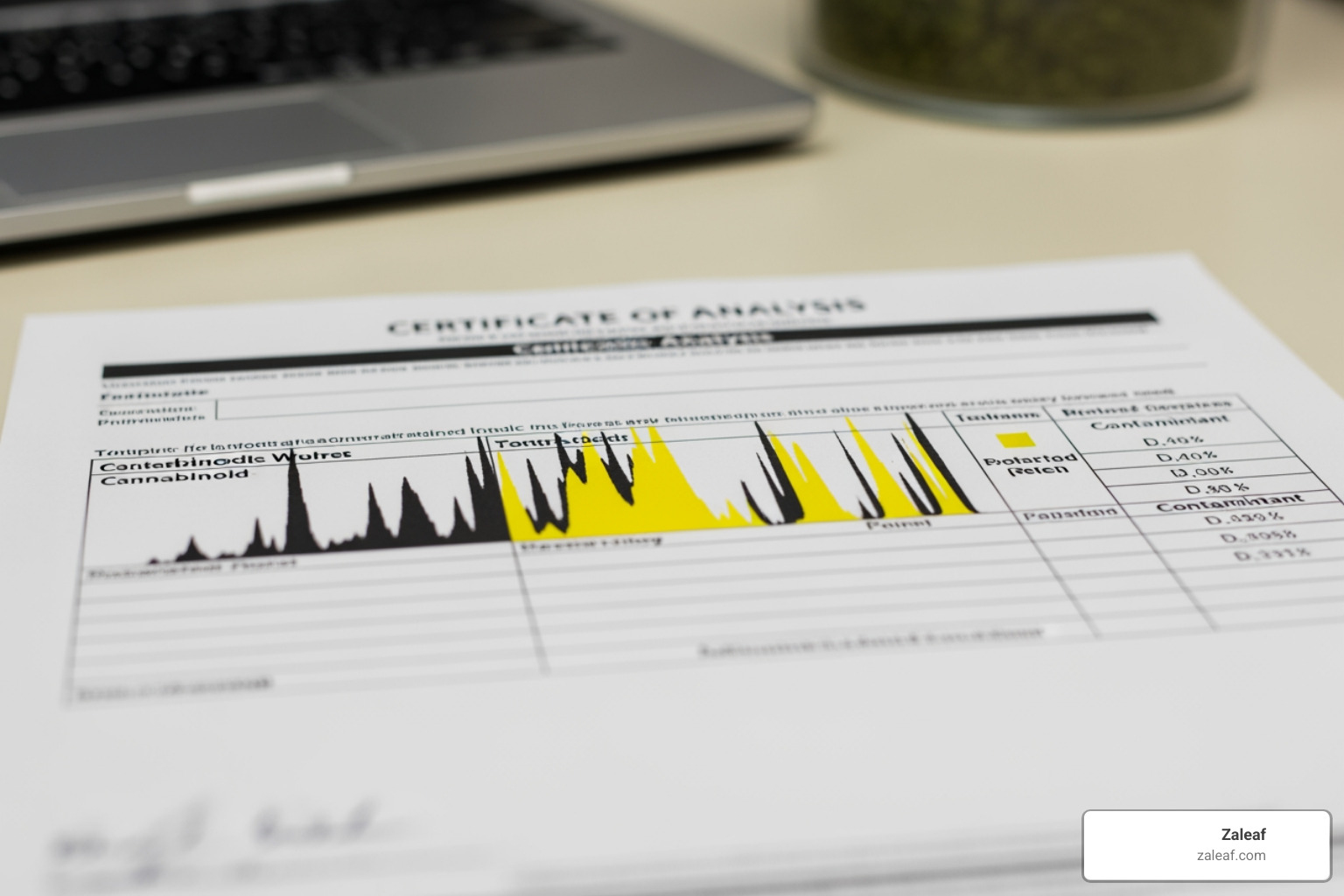
- Third-Party Lab Reports (COA): This is essential. A Certificate of Analysis from an independent lab should be easily accessible. It is your proof of what's in the product.
- Comprehensive Testing: A good COA verifies the cannabinoid profile (confirming Delta-8 content and <0.3% Delta-9 THC) and potency. Most importantly, it must screen for contaminants like heavy metals, pesticides, and residual solvents.
- Brand Reputation and Transparency: Reputable companies are open about their manufacturing processes and hemp sourcing. At Zaleaf, we provide rigorous 3rd party testing results for all our products because you deserve to know what you're consuming.
- Clear Labeling: Quality products list all ingredients, provide dosage information, and include manufacturing or expiration dates. Vague labels are a red flag.
- Safe Ingredients: Avoid products with harmful flavoring agents like diacetyl or cutting agents like MCT oil, VG, PG, or Vitamin E acetate, as they can be dangerous when inhaled. For more tips, see How to shop smart for Delta 8 vapes online.
How to use a delta 8 vape
Once you have a quality device, proper use is key for a good experience.
Start low and go slow. If you're new to Delta-8, take one or two small puffs. Effects vary based on body chemistry and tolerance.
Wait for the effects. Vaping works quickly, typically within 5 to 15 minutes. Wait at least 20 minutes to gauge how you feel before taking more. It's easy to overdo it if you're impatient.
Use proper inhalation technique. Take slow, gentle draws, not deep, aggressive hits. If you cough, you're likely inhaling too hard. Keep water handy to stay hydrated and soothe your throat.
Know your device. Most pens are draw-activated or have a button. For rechargeable batteries with variable voltage, start on the lowest setting for a smoother, more flavorful hit. An LED light usually indicates battery life.
Store it properly. Keep your vape pen upright in a cool, dark place to prevent clogs and preserve quality. Avoid extreme heat, like in a car.
Following these tips can help ensure your experience is pleasant and controlled. For more general guidance, see our Guide to finding the best THC vape pen.
The Legal Status and Practicalities of Delta-8 Vapes
The legality of delta 8 vape products is a frustrating "legal gray area." Federal law may say one thing, while your state says another. Let's untangle this web. For a comprehensive overview, see A guide to Delta 8 legality.
Is Delta-8 THC Legal?
The 2018 Farm Bill federally legalized hemp and its derivatives, provided they contain less than 0.3% Delta-9 THC. Since most Delta-8 is derived from hemp-based CBD, it technically falls under this law. This is why you can find Delta-8 vape products outside of licensed dispensaries. Learn more in The Farm Bill explained.
However, many states have moved to restrict or ban Delta-8 THC, regardless of its federal status. This means a device might be legal in one state but prohibited in another. Furthermore, the FDA has stated that it has not evaluated or approved Delta-8 THC products for safe use. This regulatory limbo makes consumer awareness and product quality essential.
Always check your local and state laws before purchasing or using Delta-8 products, as they can change rapidly.
Disposable Pens vs. Rechargeable Cartridge Systems
Once you've confirmed legality, you'll choose between disposable pens and rechargeable systems.
Disposable delta 8 vape pens are the ultimate in convenience. They come pre-filled, pre-charged, and ready to use. They are perfect for beginners or for maximum portability. The downside is cost and waste; you're paying around $15+ for a single-use device.
Rechargeable battery systems with cartridges require a higher initial investment (for the battery) but are more cost-effective and sustainable long-term. Replacement cartridges are cheaper than new disposables, and you have the flexibility to swap strains and flavors. This is a better choice for regular users, as you only dispose of the cartridge, not the entire battery. For more on different pen types, explore Exploring different types of Delta 8 pens.
Are there safer alternatives to a delta 8 vape?
Inhaling any substance carries potential respiratory risks, especially with unregulated products. If you want to avoid inhalation, you have other options.
Tinctures are liquid extracts placed under the tongue for sublingual absorption. Effects are typically felt in 15-30 minutes, faster than edibles but slower than vaping. Tinctures offer precise dosing control and bypass the lungs entirely.
Edibles, like gummies, are another popular choice. At Zaleaf, we offer high-quality Delta-8 gummies that taste great. When eaten, Delta-8 is processed by your liver, so effects are much slower to appear (30-90 minutes) but tend to last longer. The key with edibles is patience. Start with a very low dose (like half a gummy) and wait at least 90 minutes before taking more to avoid an uncomfortably strong experience. For a tasty option, check out The lowdown on Delta 8 gummies.
Regardless of the method, the market is unregulated. Concerns about contaminants and potency apply to all product types. Always choose products from reputable companies like Zaleaf that provide third-party lab testing for everything they sell.
Frequently Asked Questions about Delta-8 Vapes
What do the FDA's adverse event reports indicate?
The FDA's data highlights the risks of an unregulated market. Between December 2020 and February 2022, the agency received 104 adverse event reports for Delta-8 products. Alarmingly, 55% of these cases required hospital admission.
Reported symptoms included serious health emergencies like hallucinations, vomiting, tremors, confusion, and loss of consciousness. These incidents underscore the danger of using products that haven't been subject to standardized safety checks. This is why Zaleaf insists on rigorous, independent third-party testing for every item we sell, ensuring you know exactly what you're consuming.
How should consumers report adverse events from Delta-8 products?
If you have a severe reaction to a Delta-8 vape or other product, reporting it can help protect others.
- For immediate emergencies, call 9-1-1 or go to the nearest emergency room.
- For other adverse events or product quality issues, the FDA encourages reports through its MedWatch program. Consumers and healthcare professionals can submit a report using the electronic Voluntary MedWatch form or by calling 1-800-332-1088 to request a form.
Your report provides valuable data that helps regulators identify safety concerns and make the market safer for everyone.
Will using a delta 8 vape make you fail a drug test?
Yes, using a delta 8 vape will very likely cause you to fail a drug test.
Standard drug tests are designed to detect THC metabolites, but they do not distinguish between Delta-8 THC and Delta-9 THC. Because their metabolites are so chemically similar, the test will simply register a positive result for THC.
Even if Delta-8 is legal in your state and produces a milder high, a drug test will not recognize these distinctions. This applies to all Delta-8 products, including vapes, gummies, and tinctures. If you are subject to drug testing, we strongly advise you to avoid all Delta-8 products to prevent a positive result.
Conclusion
If there's one key takeaway from this guide, it's this: delta 8 vape products offer a unique, milder psychoactive experience but exist in a risky, unregulated market that demands careful decision-making.
On one hand, users appreciate the clear-headed relaxation. On the other, the lack of oversight has led to serious safety issues. We've seen the FDA's 104 adverse event reports, with over half requiring hospitalization, and thousands of poison control cases. These problems stem from poorly made, contaminated products.
In this market, you must be your own advocate. The difference between a safe experience and a dangerous one is manufacturing quality and transparency. This is why third-party lab testing is not optional—it's essential. A Certificate of Analysis is your only proof that a product is potent, pure, and free of contaminants like heavy metals and pesticides.
At Zaleaf, we built our company on the belief that you deserve to know what's in your products. Every item we offer undergoes rigorous third-party testing. We carefully craft our cannabinoid and terpene profiles for consistent, mood-specific effects, whether you seek relaxation or creativity. We also provide fast, discreet shipping with no ID or medical card required.
Whether you choose a disposable pen, a rechargeable system, or an alternative like tinctures or edibles, never compromise on quality and safety. Start with a low dose, go slow, and always demand transparency from the brands you support.
Thank you for taking the time to educate yourself. Here's to making smart, safe choices. If you're curious about non-intoxicating alternatives, we invite you to Explore our ultimate guide to the best CBD disposable vape pens.