

The Ultimate Guide to Safe Cannabis Vapes
How to Choose a Safer Cannabis Vape
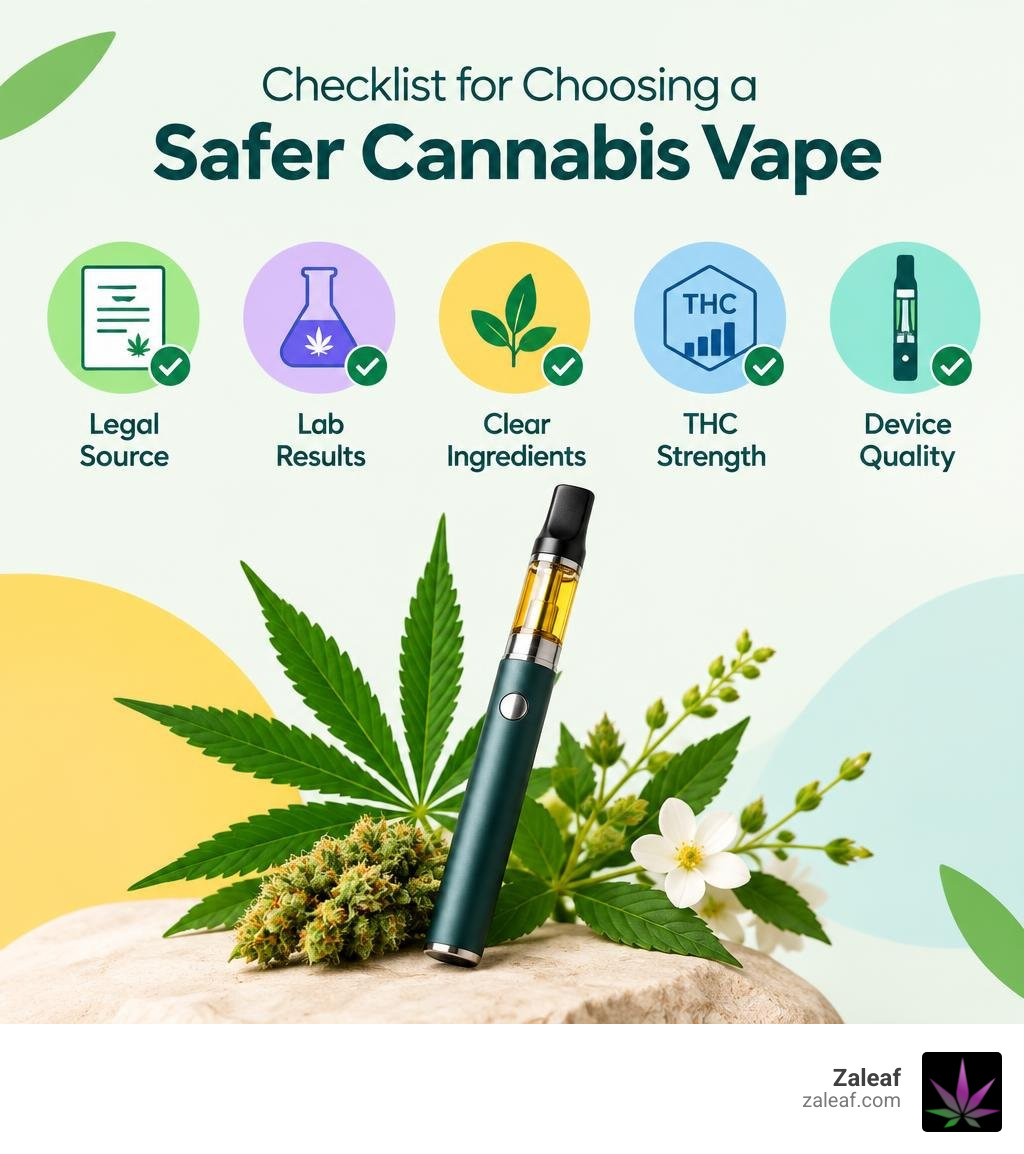
Start with a product sold legally where you live. Check its batch-specific lab report for potency, pesticides, heavy metals, and residual solvents. Choose clearly listed ingredients and a THC strength you understand. Avoid unmarked cartridges or unknown additives.
Vaping avoids the burning that makes cannabis smoke, but it is not risk-free. Oil ingredients, high THC levels, and device quality all matter. This guide will help you compare your options and spot warning signs.
I'm Max Shemesh of Zaleaf. My experience developing cannabinoid products and focusing on quality informs this guide to cannabis vapes.
Types of Cannabis Vapes and Their Safety Profiles
Understanding the broad category of cannabis vapes begins with examining how different devices extract and aerosolize cannabinoids. A comprehensive scientific review on cannabis vaporization devices and risks categorizes devices across multiple form factors, each presenting a distinct safety and chemical profile (Chadi et al., 2020).
| Device Category | Primary Material | Operating Temperature | Average THC Potency | Relative Risk Profile |
|---|---|---|---|---|
| Dry Herb Vaporizers | Ground raw flower | 160°C – 220°C (320°F – 428°F) | 15% – 30% | Lowest: No added solvents, lower heat, natural plant matrix |
| Prefilled Oil Cartridges | Distillate, live resin, CO2 extract | 180°C – 240°C (356°F – 464°F) | 60% – 90% | Moderate: Requires verified ceramic hardware and clean diluents |
| All-in-One Disposables | Cannabis extract oils | Preset voltage (usually 3.0V – 3.7V) | 60% – 90% | Moderate-High: Single-use lithium batteries, fixed temperatures |
| Dab Pens & Rigs | Solid concentrates (wax, shatter, rosin) | 200°C – 350°C+ (392°F – 662°F+) | 70% – 95% | Higher: Extreme potency, higher risk of thermal degradation |
Choosing among the best dry herb vaporizers gives consumers direct control over temperature while vaporizing whole-plant matter without additives.
Understanding Hardware: From Dry Herb Vaporizers to Oil Cartridges
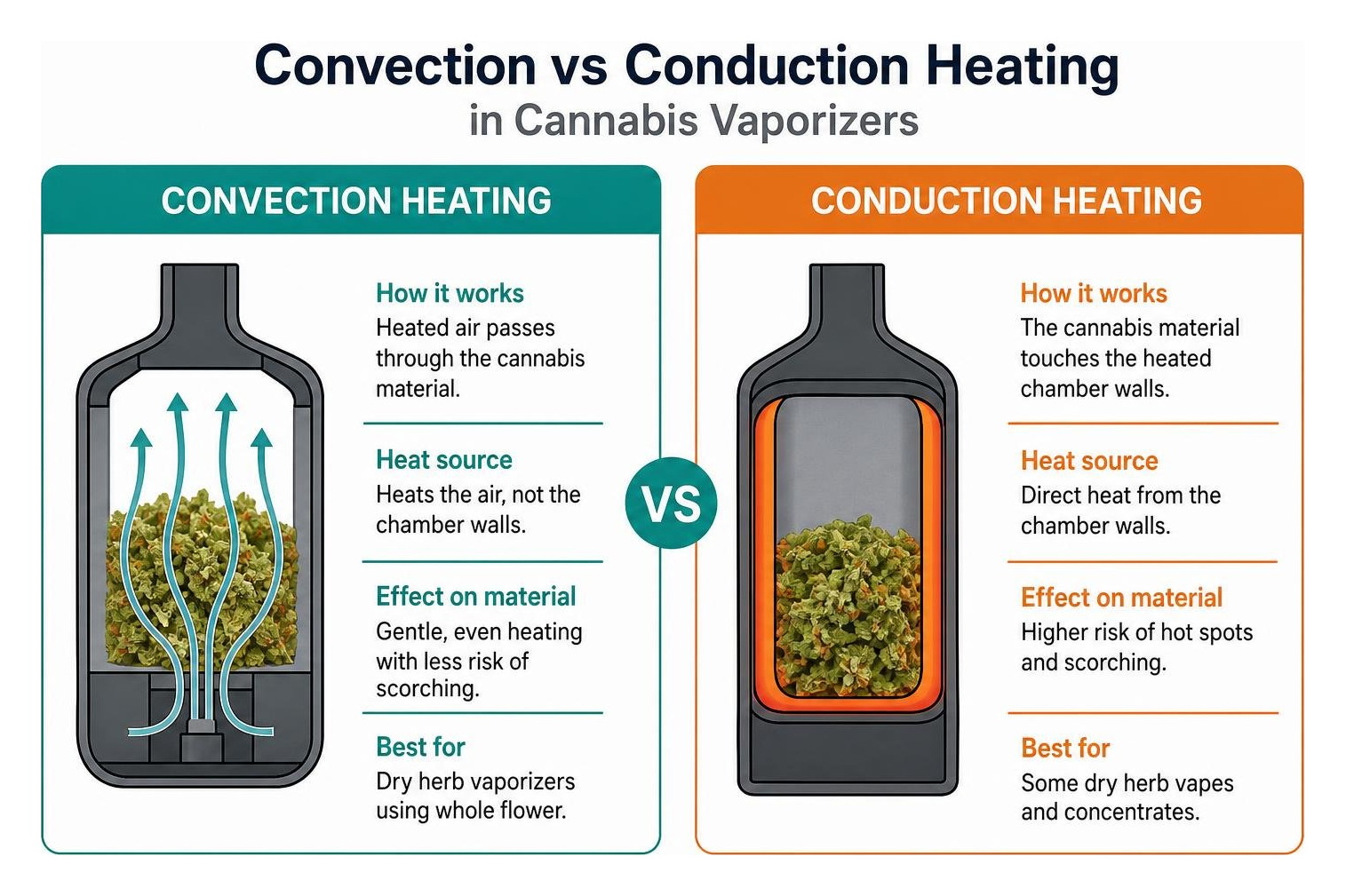
The mechanical engineering inside a device dictates the aerosol quality you inhale. Dry herb devices typically use convection (passing heated air through the botanical flower) or conduction (heating the chamber walls directly). Because whole flower contains a natural moisture balance and lower cannabinoid density, it poses fewer risks of thermal breakdown.
When shifting to oil extracts, understanding weed carts requires looking at heating elements. Modern atomizers rely on ceramic coil vapes to distribute heat evenly and eliminate hot spots that burn delicate terpenes. In contrast, low-grade metal wire coils wrapped in cotton can degrade rapidly under high voltage, potentially releasing heavy metals like nickel and chromium into the aerosol.
For ready-to-use convenience, disposable vape pens integrate an internal battery with a prefilled tank. At the clinical end of the spectrum, metered-dose inhalers (MDIs) provide the most accurate pulmonary dosing with minimal thermal exposure, releasing uniform micro-droplets without relying on heating coils.
Navigating High-Potency Concentrates in Cannabis Vapes
A primary health consideration in oil vaping is chemical potency. Regulated dried cannabis flower rarely exceeds 30% THC, whereas solid concentrates, distillates, and oil cartridges routinely reach 70% to 95% THC.
Consuming ultra-potent concentrates delivers large doses of active cannabinoids directly across the alveolar membrane in seconds. While seasoned users explore comprehensive full spectrum vape options for rich minor cannabinoid profiles, repeated exposure to near-pure THC elevates systemic tolerance.
Over time, this rapid receptor saturation can exacerbate psychological vulnerabilities, such as anxiety or acute paranoia, and increase the risk of cannabis hyperemesis syndrome (CHS)—a severe condition characterized by cyclic nausea, abdominal pain, and intractable vomiting.
Cannabis Vaping vs. Smoking: Health Impacts and Toxic Emissions
Vaping is often promoted as a harm reduction alternative to traditional smoking because it eliminates combustion. When raw cannabis burns in a joint or pipe, temperatures exceed 600°C to 900°C, breaking organic bonds and generating toxic pyrolysis byproducts.
Combustion vs. Vaporization: Tar, Toxins, and Temperature Control
Vaporization occurs at temperatures between 160°C and 230°C. By staying below the combustion threshold of plant cellulose, vaporizers reduce exposure to tar and polycyclic aromatic hydrocarbons (PAHs) by up to 90%.
Operating at the best temperature for vaping preserves delicate monoterpenes without creating harmful degradation products like benzene, toluene, and formaldehyde. High temperatures, however, degrade carrier lipids and terpenes into toxic carbonyls, which can cause acute airway inflammation. Understanding the broader health impacts of weed vapes allows consumers to make balanced, informed choices.
The EVALI Outbreak and the Truth About Black-Market Cartridges
The distinction between regulated manufacturing and illicit supply chains became critical during the 2019–2020 outbreak of e-cigarette or vaping-associated lung injury (EVALI). Public health investigations determined that the primary chemical driver was vitamin E acetate—an oily thickening agent used by underground processors to dilute illicit THC oil while mimicking high-viscosity cannabis oil.
When inhaled, vitamin E acetate acts like an industrial grease inside lung surfactant, causing exogenous lipoid pneumonia, alveolar damage, and severe respiratory failure. More than three-quarters of diagnosed EVALI patients reported using unregulated black-market THC cartridges.
Enforcing safe legal vape standards virtually eliminates these risks; for instance, in federally regulated markets with strict additive prohibitions, verified commercial vape products have not been linked to EVALI outbreaks.
Quality Standards: Regulated vs. Unregulated Market Risks

The safety profile of any cannabis vape relies on the integrity of the supply chain. In regulated jurisdictions, products undergo mandatory compliance screening before reaching store shelves, testing for residual extraction solvents, heavy metals, synthetic mycotoxins, and chemical pesticides.
Unregulated and counterfeit devices, by contrast, present significant risks of contamination. Illicit manufacturers frequently cut oils with cheap industrial thickeners or use poorly purged hydrocarbon extracts containing residual butane and propane.
Identifying Safe Ingredients and Avoiding Harmful Additives
Clean cannabis extracts contain only pure cannabinoids and authentic, plant-derived terpenes. Additives introduced to lower manufacturing costs or create artificial candy flavor profiles can introduce inhalation hazards:
- Lipid Cutters: Vitamin E acetate, MCT oil, and mineral oils are unsafe for inhalation and can cause pulmonary lipid accumulation.
- Synthetic Thinners: Propylene glycol (PG) and vegetable glycerin (VG), while common in nicotine e-liquids, can degrade into toxic acrolein and formaldehyde when heated alongside high-potency cannabis oils.
- Artificial Flavorings: Flavor compounds approved for ingestion are not automatically safe for pulmonary absorption. Heated synthetic flavor molecules can convert into reactive aldehydes that irritate respiratory tissue.
To ensure purity, consumers should rely on third-party lab testing documentation. Reviewing verified Certificates of Analysis (COAs) makes it straightforward to select pure THC disposable pens that are free from foreign cutting agents.
Hardware Integrity, Battery Safety, and Accidental Exposure
Device safety extends beyond the oil to include the underlying hardware. Cannabis vape pens rely on rechargeable lithium-ion cells. Poorly engineered, low-cost batteries lacking internal overcharge protection can suffer from thermal runaway—a condition where internal short circuits lead to extreme overheating, venting, or device failure.
Users can minimize these risks by avoiding cheap, unbranded chargers and reviewing guidance on understanding unprotected vape battery risks. Pairing quality cartridges with a dedicated variable voltage vape battery allows you to use lower voltages (typically 2.2V to 2.8V), protecting both the coil and your lungs from overheating.
Accidental exposure is another critical safety consideration. High-potency extracts packaged in colorful, sweet-smelling cartridges can appeal to children or pets. Responsible storage in certified child-resistant containers prevents accidental poisoning.
Youth Trends, Nicotine Co-Use, and Clinical Considerations
The rapid adoption of cannabis vaping among adolescents remains a significant public health focus. Modern vape pens are compact, virtually odorless, and easily concealed, creating a perception of minimal risk among youth.
Public health surveys illustrate the scale of this shift:
- Canada: Past-year cannabis vaping among high school students rose from 5.1% in 2015 to 6.9% in 2017, with overall vape pen use among young cannabis consumers climbing from 20% to 26% between 2017 and 2018.
- United States: Lifetime cannabis vaping between 2017 and 2018 grew from 1.6% to 2.6% among 8th graders, 4.3% to 7.0% among 10th graders, and 4.9% to 7.5% among 12th graders.
- Adolescent Use: Overall, approximately 44% of American adolescents who have tried cannabis have used a vape device.
- EVALI Demographics: Youths under 18 account for roughly 15% of EVALI diagnoses, with an additional 20% occurring in young adults aged 18 to 20.
Pediatric and primary care providers use structured screening tools (such as the CRAFFT questionnaire) and motivational interviewing to address cannabis vaping, screen for high-potency concentrate exposure, and correct common misconceptions about vape safety.
Risk Perceptions and Nicotine Polysubstance Use
Adolescent perception of cannabis vaping as a harmless habit is often reinforced by lifestyle branding on social media. This is compounded by high rates of polysubstance co-use: roughly one-third of adolescents who use nicotine e-cigarettes also use their devices to vape cannabis.
Using nicotine-containing e-cigarettes increases the odds of cannabis use 3.5-fold among adolescents and young adults. This dual exposure accelerates nicotine and cannabinoid dependence pathways in the developing brain, complicating cessation efforts and increasing the likelihood of long-term dependency.
Best Practices for Selecting Safe Cannabis Vapes
To minimize health risks, use these systematic screening practices:
- Verify Batch Records: Confirm that the product features a clear batch code matching an authentic, scannable third-party COA.
- Match Hardware Carefully: Consult an essential 510 thread battery guide to ensure your power supply supports low-voltage settings.
- Choose Transparent Formulations: When exploring alternative hemp-derived cannabinoids, review our guide to delta 8 vape cartridges to verify that the manufacturer avoids harmful synthetic byproducts.
- Moderate Your Inhalation: Take short, gentle draws (2 to 3 seconds) at low temperatures to prevent coil overheating and aerosol degradation.
Frequently Asked Questions About Cannabis Vaping Safety
How does vaping cannabis compare to smoking flower in terms of respiratory health?
Vaporizing cannabis heats plant matter or extracts below the temperature of combustion, reducing the production of carbon monoxide, tar, and carcinogenic polycyclic aromatic hydrocarbons. While it significantly reduces smoke-related toxins, vaping is not entirely risk-free—high temperatures can still produce aerosolized carbonyls and cause airway irritation.
What causes vape-related lung injuries like EVALI?
EVALI (e-cigarette or vaping-associated lung injury) is primarily caused by inhaling illicit cutting agents, most notably vitamin E acetate. This synthetic diluent coats the lungs' alveoli, impairing oxygen exchange and causing severe, life-threatening inflammatory lung damage.
How can I verify that a cannabis vape cartridge is safe and authentic?
Check that the packaging includes a scannable QR code linking to an accredited, third-party laboratory Certificate of Analysis. The lab report should confirm non-detect levels for pesticides, heavy metals, microbial contaminants, residual processing solvents, and harmful additives like vitamin E acetate.
Conclusion
Cannabis vaporizers offer a smoke-free alternative for consuming botanical extracts and whole flower, but product safety depends heavily on quality control, hardware integrity, and thoughtful dosing. Prioritize transparent, third-party lab testing and avoid unverified black-market products to protect your respiratory health.
At Zaleaf, our clean cannabinoid formulations are paired with premium, tested hardware to deliver a safe, reliable experience. Discover clean, pure extracts by taking a moment to explore safe cannabis vapes.
References
Chadi N, Minato C, Stanwick R. "Cannabis vaping: Understanding the health risks of a rapidly emerging trend.." Paediatrics & child health, 2020. PMCID PMC7757764.