

The Sticky Truth: How Long Does THC Wax Linger?
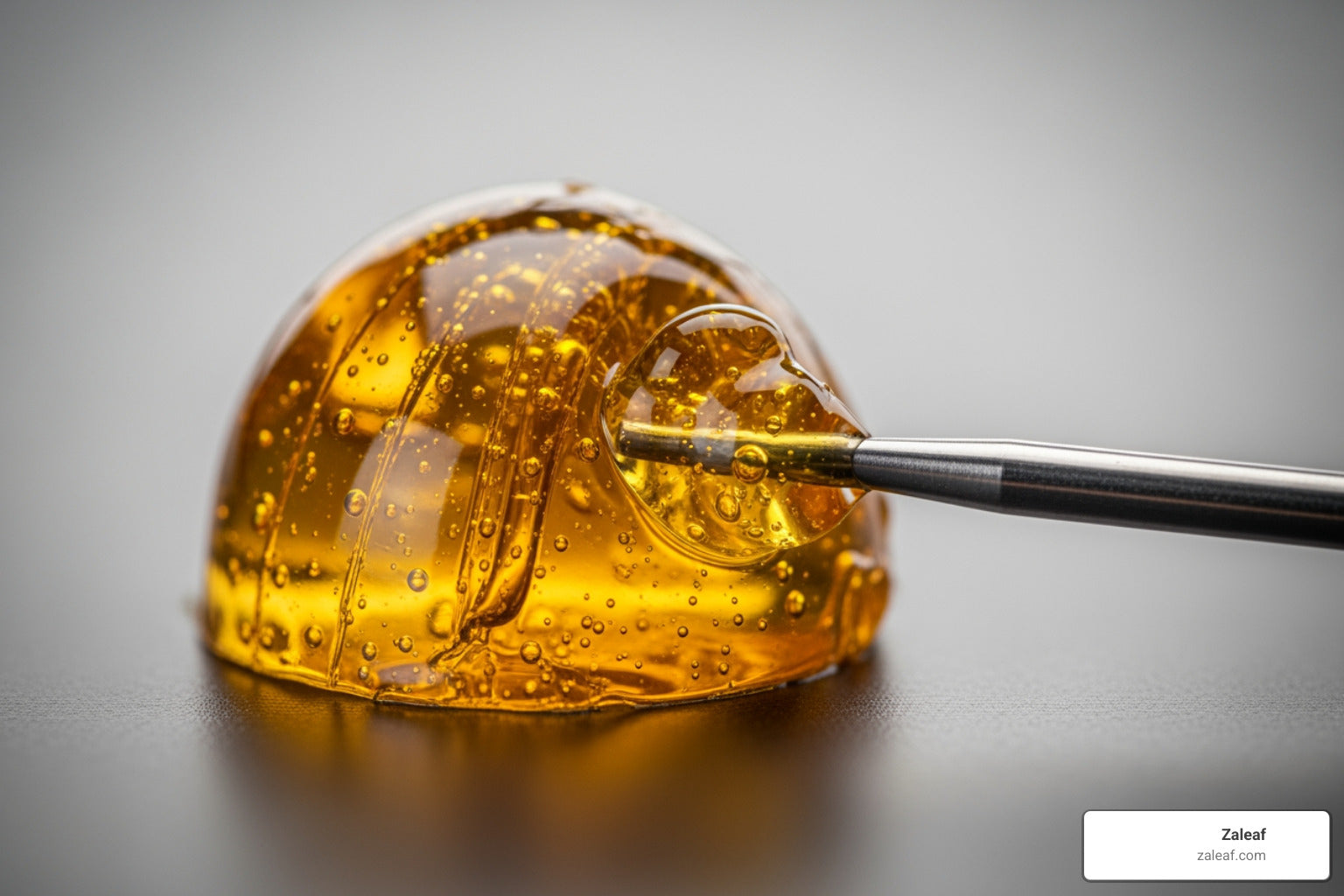
Understanding How Long THC Wax Stays Detectable
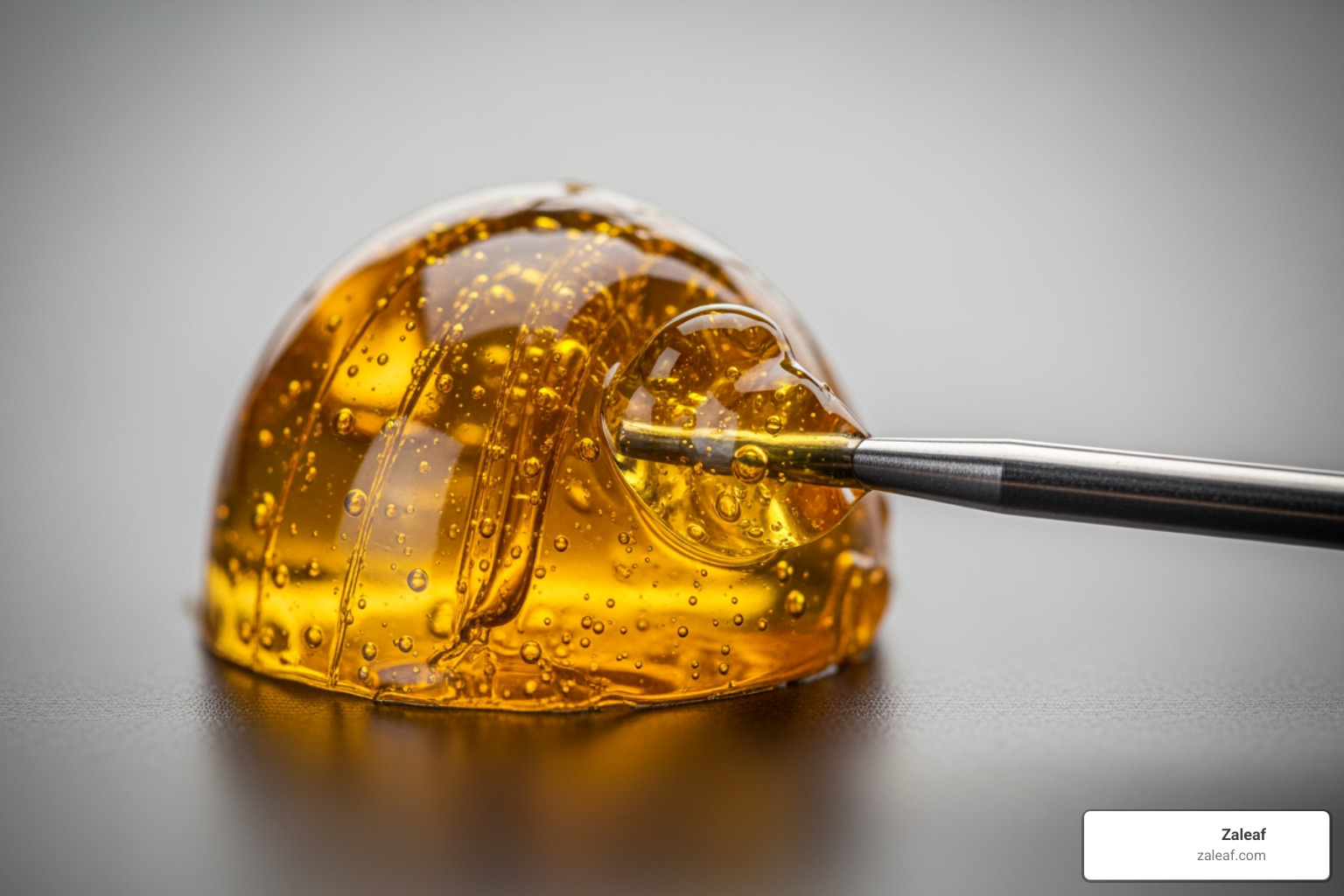
How long does wax thc stay in your system depends on several factors, but here's the quick answer most people need:
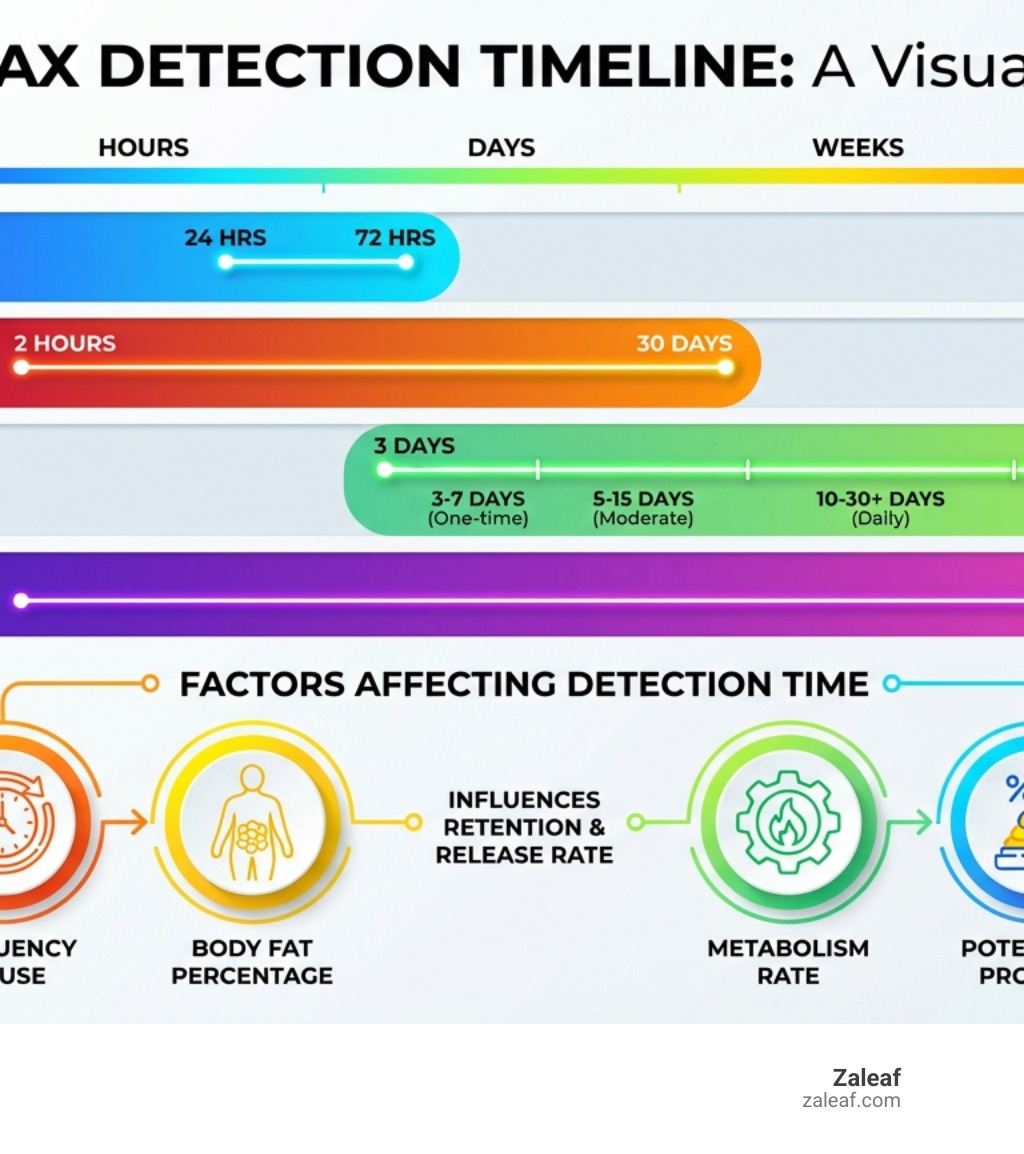
Quick Detection Timeline:
- One-time use: 3-7 days in urine
- Moderate use (2-4 times/week): 5-15 days in urine
- Daily use: 10-30+ days in urine
- Heavy chronic use: 30-90 days in urine
- Hair tests: Up to 90 days for all users
- Blood tests: 2-12 hours (occasional users), up to 30 days (chronic users)
- Saliva tests: 24-72 hours
THC wax—also called shatter, budder, or dabs—packs a serious punch with THC concentrations between 60-90%, compared to just 15-30% in regular cannabis flower. That extra potency means it can linger in your body longer than you might expect.
When you consume wax, your body converts THC into metabolites like THC-COOH, which are fat-soluble and get stored in your fatty tissues. These metabolites slowly release back into your bloodstream over time, which is why drug tests can detect them days or even weeks after your last use. The more often you use wax and the higher your body fat percentage, the longer these metabolites stick around.
I'm Max Shemesh, CEO of Zaleaf, and I've spent years helping customers understand cannabinoid products and steer questions about detection times. Through working with thousands of customers and staying current with the latest research on how long does wax thc stay in your system, I've learned that everyone's experience is different—but understanding the science helps you make informed decisions.
What is THC Wax and Why Does it Linger?
If you're wondering how long does wax thc stay in your system, it helps to first understand what makes this cannabis concentrate so different from the flower you might be more familiar with.
THC wax is essentially cannabis on steroids—a highly concentrated extract with a sticky, waxy texture that packs way more punch than traditional flower. You've probably heard it called by different names depending on its consistency: shatter looks like amber glass and snaps when you break it, budder has a creamy, butter-like texture, and crumble breaks apart easily into small pieces. Despite their different appearances, they're all variations of the same thing: super-concentrated cannabis.
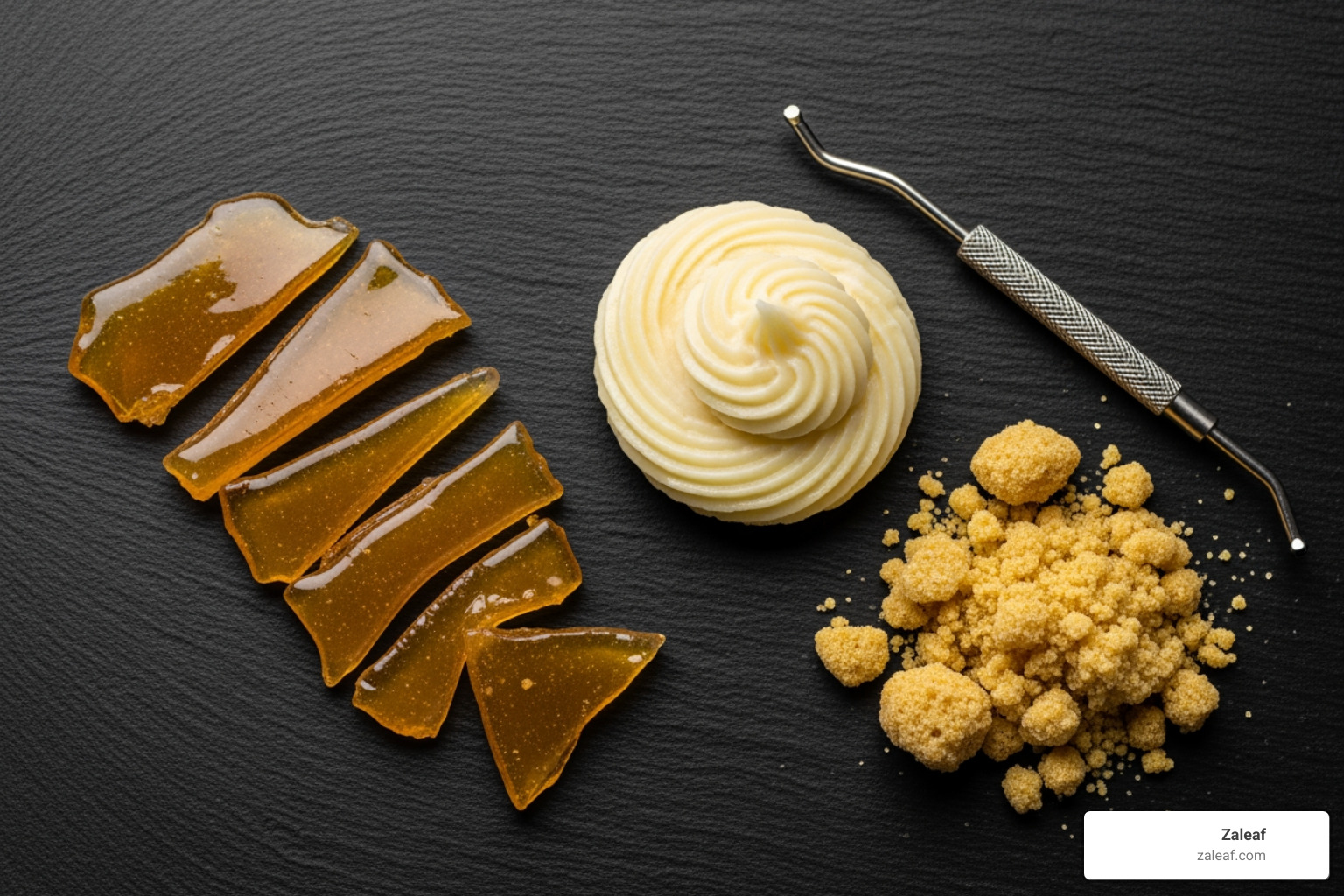
Most people consume wax through a process called dabbing. This involves heating a small amount of wax on a hot surface—usually a "nail" or "banger" attached to a special water pipe—and inhaling the vapor that's created. It's a very different experience from smoking flower, and the effects hit much faster and stronger.
Here's where things get interesting for anyone concerned about drug testing: while regular cannabis flower typically contains somewhere between 15-30% THC, wax products clock in at a staggering 60-90% THC. That's three to six times more concentrated. This massive difference in potency doesn't just mean stronger effects—it also means more THC metabolites flooding into your system with each use.
So what happens after you consume THC wax? Once that vapor enters your lungs, the THC quickly makes its way into your bloodstream. From there, your liver takes over, working hard to break down the THC into various metabolites. The star of the show—at least when it comes to drug testing—is a compound with the tongue-twisting name 11-nor-9-carboxy-delta-9-tetrahydrocannabinol, mercifully shortened to THC-COOH. This metabolite is what most drug tests are hunting for.
Now here's the part that makes THC so persistent in your body: both THC and its metabolites are fat-soluble. Think of them as having a natural attraction to fat molecules. When you use wax regularly, these metabolites don't just pass through your system quickly—they actually get stored in your fat cells, building up over time like a savings account you didn't ask for.
Your body slowly releases these stored metabolites back into your bloodstream, where they eventually make their way out through your urine and stool. This gradual release process is exactly why THC can show up on drug tests days or even weeks after the high has completely worn off. The higher the potency of the product you're using—and wax is about as potent as it gets—the more metabolites you're depositing into those fat cells, and the longer they can stick around.
This metabolism process is the same whether you're using flower, edibles, or wax. But because wax contains so much more THC per use, you're essentially giving your body a much larger dose of metabolites to process and store with every dab.
How Long Does Wax THC Stay in Your System? A Test-by-Test Breakdown
If you're facing a drug test, you're probably wondering exactly how long does wax thc stay in your system. The honest answer? It depends on which type of test you're taking and how often you've been using. Let's walk through each testing method so you know what to expect.

Detection in Urine Tests
Urine tests are the go-to method for most employers and probation officers. They're cheap, easy to administer, and pretty reliable—which is why they're everywhere. But the detection window can vary dramatically based on your usage patterns.
If you've only tried wax once or use it very occasionally, you're looking at a detection window of 3 to 7 days. Some occasional users might test positive for up to 10 days, but that's less common.
For moderate users who dab a few times a week, the timeline extends to 5 to 15 days. Your body hasn't built up massive stores of THC metabolites yet, but there's enough accumulation to extend the detection period beyond a one-time user.
Daily users face a longer wait. If you're using wax every day, expect THC to show up in your urine for 10 to 30 days after you stop. And if you're a heavy chronic user—dabbing multiple times daily for weeks or months—you could test positive for 30 days or longer. In extreme cases, some chronic users have tested positive for up to 90 days.
A 2017 research review on urine detection times confirmed these varying windows based on frequency of use. These are general guidelines. Your individual biology plays a huge role too. For more specific insights about vaping products, check out our guide on Vaping and Drug Tests: The THC Pen Dilemma.
Detection in Hair Follicle Tests
Hair follicle tests are the marathon runners of drug testing—they can detect THC for up to 90 days after your last use. That's a solid three months of detection history sitting right on your head.
Here's how it works: As THC metabolites circulate in your bloodstream, they get incorporated into your hair follicles while your hair grows. Since hair grows about half an inch per month, a standard 1.5-inch hair sample can reveal your usage patterns over the past three months.
The good news for light users? Hair follicle tests can detect THC for up to 90 days, but they're more reliable for frequent and heavy users. If you've only used wax once or twice, there might not be enough metabolite buildup in your hair to trigger a positive result—though it's still possible. Regular wax users, however, will definitely leave a detectable trail.
Detection in Blood Tests
Blood tests operate on a completely different timeline. They're looking for recent use, not ancient history. For occasional users, THC typically shows up in blood for just 2 to 12 hours after consumption. The concentration drops rapidly within the first 3-4 hours.
But chronic users face a different reality. Because THC metabolites slowly release from fat cells over time, blood tests for recent use have detected THC in frequent users for up to 30 days after their last session.
This short detection window is exactly why blood tests are often used for impairment testing. If there's a car accident or workplace incident, a blood test can help determine if someone was under the influence at that specific moment, rather than just sometime in the past month.
Detection in Saliva Tests
Saliva tests are the new kids on the block, especially for roadside testing. Police officers increasingly use them because they're quick, non-invasive, and indicate very recent use.
For most users, THC shows up in saliva for 24 to 72 hours after use. Saliva tests for same-day use are particularly effective, with some newer technologies detecting THC consumption within the last 12 hours with peak accuracy in the first 6 hours.
Frequent smokers might test positive for the full 72 hours, and in rare cases of chronic heavy use, detection might extend up to a month—though that's uncommon. The short window makes saliva tests ideal for determining if someone used cannabis that same day, rather than last week or last month.
Key Factors That Influence THC Wax Detection Times
We've covered the general timelines for different drug tests, but here's the truth: when someone asks how long does wax thc stay in your system, there's no one-size-fits-all answer. Our bodies are wonderfully unique, and a whole host of personal factors determine how quickly—or slowly—we process and eliminate THC metabolites. Think of it less like a precise countdown timer and more like a personalized journey that's different for everyone.
Frequency of Use and Dosage
If there's one factor that matters most, it's this: how often we use wax and how much we consume each time.
Imagine our body as a bathtub. Occasional users are like turning on the faucet briefly—the water (THC metabolites) drains out before the tub fills up. A single dab session might clear from our system in just a few days because our body has plenty of time to process and eliminate those metabolites before more arrive.
Chronic users, on the other hand, are like leaving the faucet running constantly. Our body is processing new THC while still trying to drain out the old metabolites, and the tub starts to overflow. When we dab daily or multiple times a day, THC and its metabolites accumulate in our fat cells, creating a reservoir that takes much longer to empty out.
This buildup happens faster with wax than with regular flower because of wax's incredibly high THC concentration—remember, we're talking 60-90% THC compared to flower's 15-30%. Even a small dab delivers a massive dose of THC into our system. Research confirms that frequent users maintain a higher baseline concentration of THC metabolites in their bodies, which extends detection windows considerably.
Body Composition and Metabolism
Since THC metabolites love to bind with fat molecules, our body fat percentage plays a starring role in detection times. People with higher body fat percentages tend to store more THC metabolites, which then get released slowly back into the bloodstream over weeks or even months. Someone with lower body fat might clear the same amount of THC noticeably faster because there's simply less "storage space" for those fat-soluble metabolites.
Our metabolic rate is equally important—it's essentially the speed at which our internal engine runs. A faster metabolism means our body processes and eliminates THC more quickly. Several factors influence our metabolic rate, including age (metabolism naturally slows as we get older), genetics (some of us are just born with faster metabolisms), and overall health, particularly how well our liver and kidneys function since these organs handle most of the detoxification work.
These individual differences explain why two people who dab the same amount of wax can have completely different detection windows. For a deeper exploration of how metabolism affects THC clearance, check out our article on The Great THC Escape: How Long Until You're Clear.
Delta-8, Delta-10, and Other Cannabinoids
The cannabis world has expanded beyond traditional Delta-9 THC, with cannabinoids like Delta-8 and Delta-10 THC becoming increasingly popular. These compounds are chemical cousins to Delta-9 THC, and that family resemblance creates a significant complication when it comes to drug testing.
Here's the issue: most standard drug tests can't tell these cannabinoids apart. They're designed to detect THC metabolites in general, not to distinguish between Delta-8, Delta-9, or Delta-10 specifically. Research from 2021 confirmed that most urine tests "can't distinguish between delta-8 and delta-9 THC." This means if we use Delta-8 or Delta-10 wax, we'll almost certainly test positive for THC.
This creates an awkward legal gray area. We might be in a state where Delta-8 products are perfectly legal to purchase and use, but we can still fail a drug test because the test reads those metabolites as "THC positive." The test doesn't care about legal distinctions—it just detects cannabinoids.
Even CBD products can sometimes cause problems. Pure CBD shouldn't trigger a positive test, but many CBD products contain trace amounts of THC (legally up to 0.3%). Those trace amounts can accumulate with regular use and potentially cause a positive result, as documented in a 2021 case report. This is why choosing products with third-party testing verification is so important—it helps us know exactly what we're consuming.
| Cannabinoid | Chemical Similarity to Delta-9 THC | Likelihood of Positive Drug Test | Notes |
|---|---|---|---|
| Delta-9 THC | High (main psychoactive component) | High | The standard target for most drug tests. |
| Delta-8 THC | High | High | Tests typically can't differentiate from Delta-9. |
| Delta-10 THC | High | High | Chemically similar enough to trigger positive results. |
| CBD | Low | Low (but possible with trace THC) | Pure CBD is safe, but products with trace THC can accumulate. |
For anyone concerned about Delta-8 and drug testing, our comprehensive guide Will Delta-8 Show Up? Your Guide to D8 and Drug Screening covers everything you need to know.
Can You Clear THC Wax From Your System Faster?
If you're wondering how long does wax thc stay in your system and searching for ways to speed up the process, I understand the urgency. Maybe you have an upcoming drug test, or you're just ready to move on. Unfortunately, I have to be honest with you: there's no magic solution. Time and complete abstinence are your most reliable options.
The Truth About Detox Remedies
Let's talk about the "detox" products and miracle remedies flooding the internet. I've seen countless customers come to us after wasting money on these products, frustrated and disappointed. Here's the uncomfortable truth: most of them simply don't work.
The science is clear—there's little to no credible evidence showing that these products can significantly speed up how your body metabolizes and eliminates THC. Many of them work by diluting your urine or attempting to mask THC metabolites, tricks that modern drug testing labs can easily detect. Some labs will flag a diluted sample as suspicious, which could lead to a retest or even count as a failed test.
Beyond being ineffective, some of these products can actually be risky. They may contain unlisted ingredients or cause uncomfortable side effects like nausea, stomach cramps, or excessive urination. We've heard stories from people who felt worse after using these products, all while still testing positive.
Drinking lots of water is often recommended as a quick fix. While staying hydrated is always good for your overall health, chugging gallons of water won't flush THC metabolites from your fat cells overnight. Overhydration can dilute your urine to the point where it raises red flags during testing, potentially working against you rather than helping.
The Role of Exercise and Diet
While there's no shortcut to clearing THC from your system, maintaining a healthy lifestyle can support your body's natural detoxification processes over the long term.
Since THC metabolites are stored in fat cells, it makes sense that burning fat through exercise might help eliminate them. Regular physical activity does boost your metabolism and promote fat burning, which can gradually help your body process stored THC. However, there's an important catch to be aware of.
An older study on exercise releasing THC found something surprising: vigorous exercise can temporarily release stored THC metabolites from fat cells back into your bloodstream. This means that if you have a drug test coming up in the next day or two, hitting the gym hard could actually increase the concentration of THC in your urine at the worst possible time. If you're facing an imminent test, consider taking it easy on intense workouts for 24 to 48 hours beforehand.
A healthy diet supports your body's natural elimination systems. Eating plenty of fiber, fresh fruits, vegetables, and lean proteins helps your liver and kidneys—your body's built-in filtration system—function at their best. While no specific food will magically "detox" you from THC, avoiding processed foods, excess sugar, and unhealthy fats gives your body the best chance to do what it does naturally.
The bottom line? These lifestyle changes are beneficial for your overall health and may support your body's natural processes, but they're long-term strategies, not quick fixes. If you're facing a drug test, your best bet is to stop using THC products as soon as possible and give your body the time it needs to clear the metabolites naturally.
Frequently Asked Questions about THC Wax Detection
We hear these questions all the time at Zaleaf, and honestly, they're completely understandable. The whole drug testing landscape can feel confusing and sometimes downright frustrating. Let's clear up some of the most common concerns about how long does wax thc stay in your system and what that means for testing.
Will I test positive from secondhand wax vapor?
If you're worried about failing a drug test just from being around someone who's dabbing, take a deep breath—you're almost certainly in the clear.
The reality is that testing positive from casual secondhand wax vapor exposure is extremely unlikely. Yes, you might inhale tiny traces of THC if you're in the same room as someone using wax, but the concentration would be so low that it wouldn't come close to triggering a positive result on a standard drug test.
The studies that show positive tests from secondhand exposure typically involve pretty extreme scenarios—think being locked in a small, unventilated room with multiple heavy users for hours on end. That's not a realistic everyday situation. If you're just hanging out in a reasonably ventilated space where someone happens to be dabbing, the chances of failing a drug test are minimal to none. Ventilation makes a huge difference in dispersing any secondhand vapor.
Do drug tests know I used wax instead of flower?
Here's the straightforward answer: no, drug tests can't tell the difference.
Whether we dabbed some shatter, smoked a joint, vaped some oil, or ate a brownie, the test is simply looking for THC metabolites—specifically THC-COOH—in our system. These tests aren't sophisticated enough to identify the consumption method or the form the cannabis came in. They just detect that THC metabolites are present, period.
So from a drug test's perspective, THC is THC. It doesn't matter if it came from high-potency wax or lower-potency flower. The test can't tell your consumption story—it only knows you have THC metabolites in your system.
Can CBD wax with trace THC cause a positive test?
This is such an important question, especially with CBD products everywhere these days, and the answer is yes—absolutely, it can.
Here's the thing: many CBD products, including CBD wax, are derived from hemp and legally contain trace amounts of Delta-9 THC (up to 0.3% by dry weight in the US). While that tiny percentage won't get you high, it can still accumulate in your body if you use CBD products regularly. And that accumulation can absolutely trigger a positive drug test result.
There's a fascinating 2021 case report that really drives this point home. Researchers studied someone who smoked one CBD-rich cannabis joint daily for 26 days. Each joint contained only 0.2% Delta-9 THC—that's just 0.5 mg of THC per joint, which is incredibly minimal. Yet after just 8 days of daily smoking, THC metabolites showed up in their urine. This proves that even tiny amounts of THC can build up to detectable levels over time.
If you're facing drug testing, your safest bet is choosing CBD products that are explicitly labeled as "THC-free" and backed by third-party lab reports confirming zero THC content. At Zaleaf, we understand how critical this is for our customers. That's exactly why every single one of our products undergoes rigorous 3rd party testing—so you know exactly what you're getting, with complete transparency about cannabinoid profiles. No surprises, no guessing games.
The Bottom Line on THC Wax and Drug Testing
So, where does all this leave us when it comes to how long does wax thc stay in your system? The honest answer is that it's complicated—and that's okay. We've covered a lot of ground, from detection windows to metabolic quirks, and if your head is spinning a little, you're not alone.
The most important takeaway is this: there's no universal timeline that applies to everyone. Your body is unique, and how it processes THC wax depends on a symphony of factors working together—your metabolism, body composition, how often you use, and even your genetics all play a part in this personal equation.
The high potency of THC wax is what really sets it apart. With concentrations reaching 60-90% THC, even a single dab introduces substantially more THC into your system than smoking flower. This means metabolites can accumulate faster and stick around longer, especially if you're a regular user. Chronic use is the biggest factor in extended detection times—those metabolites love to settle into fat cells and take their sweet time leaving.
Different tests tell different stories. Urine tests might catch you for days or weeks, hair follicle tests can reach back a full 90 days, while blood and saliva tests focus on recent use. Understanding which test you're facing makes all the difference in knowing what to expect.
We wish we could tell you about a miracle detox kit or secret trick to clear THC overnight, but we'd be lying. The only truly reliable method is time and complete abstinence. Your body needs time to naturally process and eliminate those stored metabolites, and there's just no shortcut around that biological reality.
And here's something crucial to remember: newer cannabinoids like Delta-8 and Delta-10 aren't loopholes. They'll likely trigger positive results on standard drug tests, and even those trace amounts of THC in CBD products can add up over time. A 2021 case report showed that just 0.5 mg of THC daily was enough to cause detectable levels after only 8 days.
At Zaleaf, we believe knowledge is power. We're committed to transparency, which is why all our products undergo rigorous 3rd party testing. You deserve to know exactly what you're consuming, whether you're exploring our mood-specific cannabinoid and terpene profiles or just trying to understand how these products might affect your life. We offer 100% legal cannabis products with fast, discreet shipping—no ID or medical card required.
If you're curious about how other cannabis products compare, check out From Puff to Test: Understanding How Long THC Vape Pens Stay in Your System. We're here to help you make informed choices with confidence, because understanding the science behind cannabis shouldn't feel like rocket science.