

Is It Edible? A Simple Guide to Identifying Safe Foods
Understanding What "Edible" Really Means
Edible refers to any item that is safe for humans to eat or consume. But the term encompasses far more than just the food on your dinner plate.
Quick Definition:
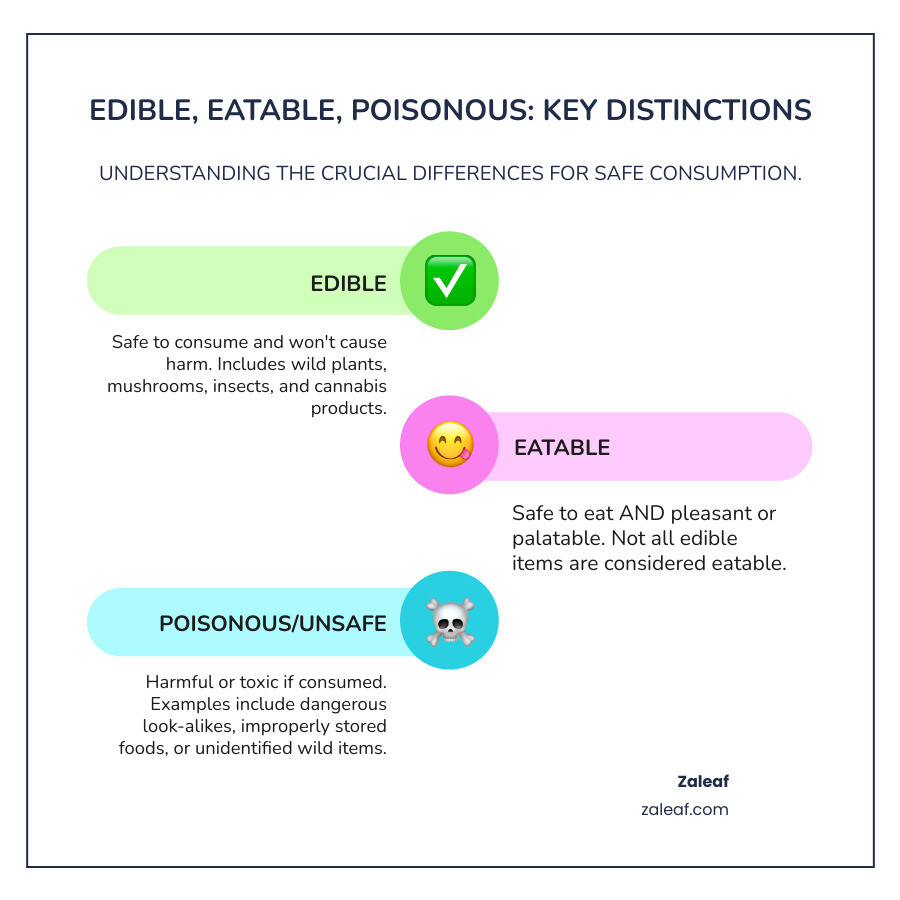
- Edible = Safe to eat (won't harm you)
- Eatable = Pleasant to eat (tastes good)
- Includes natural foods (plants, mushrooms, insects)
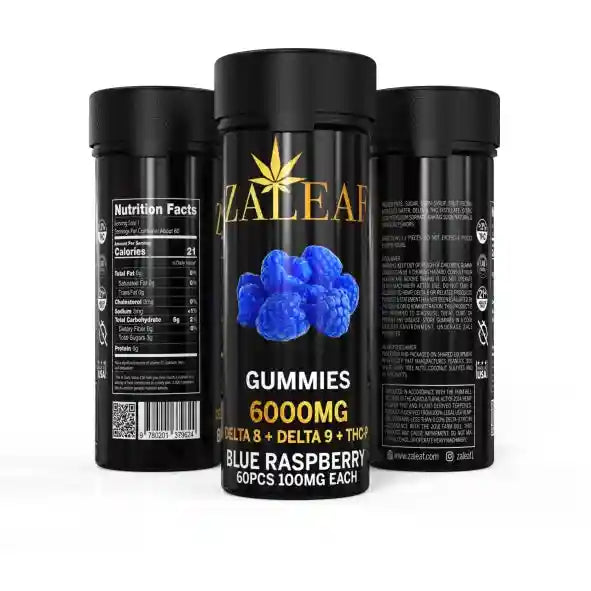
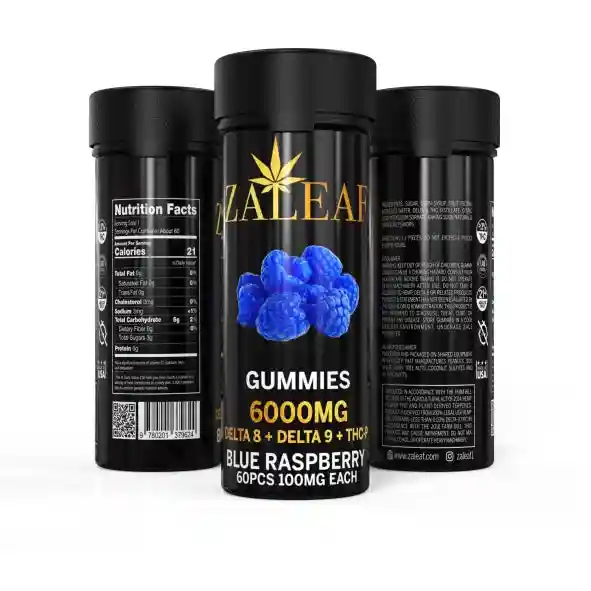
- Includes processed items (packaged foods, cannabis products)
- Key principle: Safety for consumption is what defines edibility
The word "edible" has evolved significantly over time. Originally rooted in the Latin word edibilis (meaning "eatable"), it once simply described foods found in nature. Today, it covers everything from wild berries and mushrooms to cannabis-infused gummies and chocolates.
Understanding what makes something truly edible is more important than ever. With thousands of plant species available for consumption—research suggests there may be as many as 75,000 edible species of flowering plants, though humans regularly eat only about 7,000 of them—the ability to distinguish safe foods from dangerous look-alikes can be life-saving.
Why this matters: Misidentifying a wild mushroom can lead to serious poisoning. Consuming too much of a cannabis edible can result in an overwhelming experience. And in our modern world, the term "edible" has taken on new meanings, particularly in the context of legal cannabis products that offer an alternative to smoking or vaping.
I'm Max Shemesh, CEO of Zaleaf, and I've spent years helping people steer edible cannabinoid products with a focus on quality, safety, and transparency. Through my work in the hemp and cannabinoid industry, I've seen how important it is for consumers to understand what they're consuming—whether it's a foraged mushroom or a precisely dosed cannabis gummy.
Edible glossary:
What Does 'Edible' Truly Mean?
At its core, the word edible signifies safety. It tells us that an item is fit for human consumption without causing harm. This definition is crucial because it sets the baseline for what we can, and should, put into our bodies. Whether it’s a fruit plucked from a tree or a carefully manufactured snack, the primary characteristic of anything labeled edible is that it's non-toxic and won't make us sick.
But food isn't always so black and white. Sometimes, something might be technically safe to eat but not particularly appealing. This brings us to an important linguistic distinction that often gets overlooked.
The Difference Between 'Edible' and 'Eatable'
While often used interchangeably, "edible" and "eatable" carry distinct meanings. The key difference lies in palatability:
- Edible means "fit to be eaten; capable of being eaten without harm." It's purely about safety. For instance, an emergency survival guide might list tree bark as edible—it won't kill you—but it doesn't promise a gourmet experience.
- Eatable means "fit to be eaten; palatable; good to eat." This term implies that something is not only safe but also tastes good or is pleasant to consume.
Think of it this way: all eatable things are edible, but not all edible things are eatable. If you're lost in the wilderness, you might be grateful for an edible root, even if it tastes like dirt. But if you're at a five-star restaurant, you expect something truly eatable. This distinction reminds us that while safety is paramount, enjoyment also plays a significant role in our culinary experiences.
The Historical Roots of the Word 'Edible'
The journey of the word edible through time is fascinating, tracing back to ancient languages. The term "edible" made its first known appearance in English around the late 16th century, specifically as an adjective in 1594, and later as a noun in 1661.
Its origins are firmly rooted in Latin. "Edible" comes from the Late Latin word edibilis, which itself is derived from the Latin verb edere, meaning "to eat." This direct lineage highlights that the core concept of "fit for consumption" has been central to the word for centuries.
From describing basic sustenance to encompassing a vast array of modern foods and even non-traditional items, the concept of edible has continually expanded. This evolution reflects humanity's ongoing exploration of food sources and our changing relationship with what we choose to consume.
For a deeper dive into the word's definition and its modern applications, including the rise of cannabis edibles, we've explored this topic in our article Edible Insights: A Guide to Its Definition.
The Broad Spectrum of Edible Items
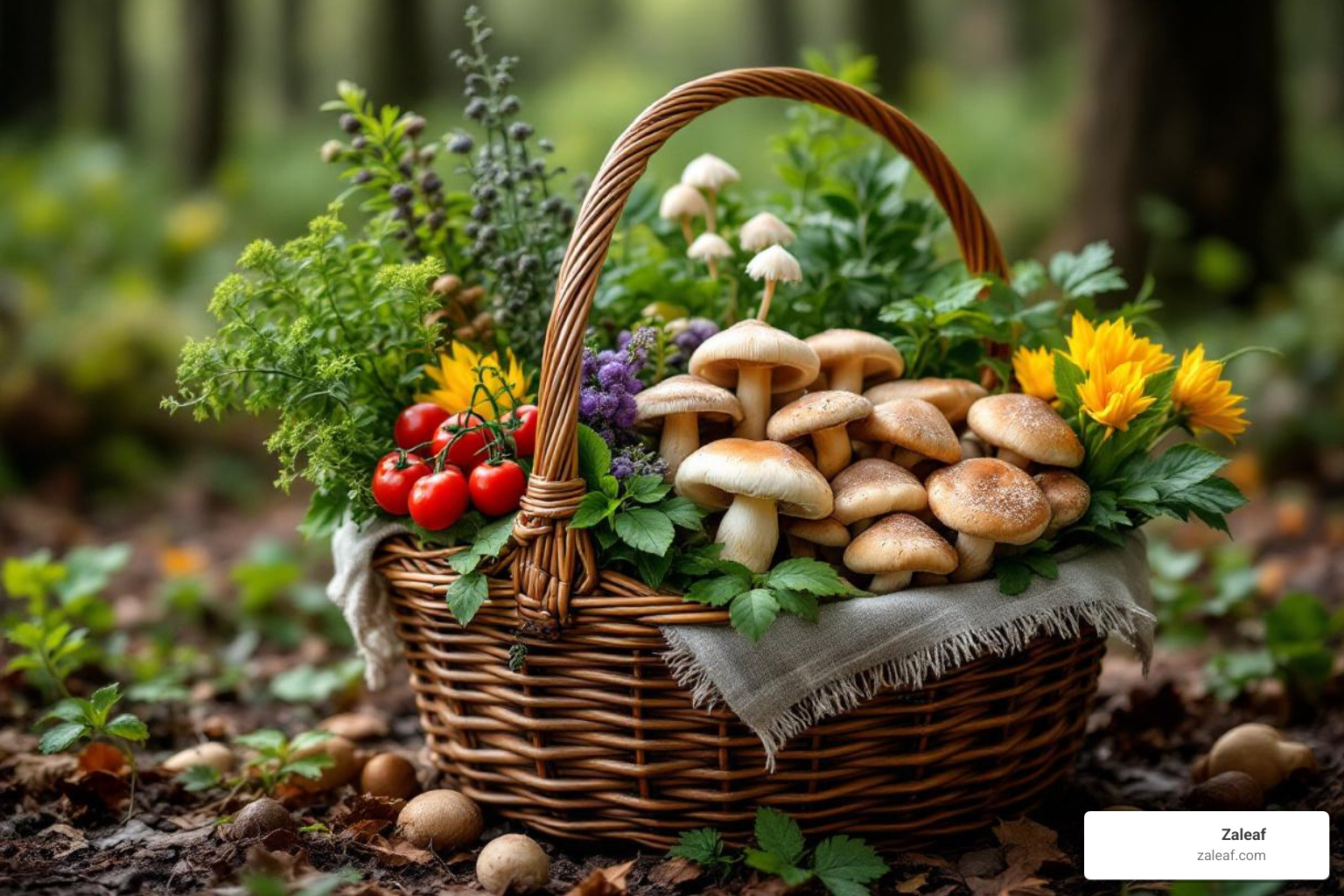
The concept of edible stretches across an incredibly vast and diverse landscape, from the untouched wilderness to highly engineered laboratory creations. Our journey through what is safe to eat highlights humanity's adaptability and ingenuity in finding sustenance. This broad spectrum includes everything from the plants and animals found in nature to the processed goods that fill our grocery store shelves and beyond.
The ability to identify edible items in nature has historically been a critical survival skill. Our ancestors relied on keen observation and inherited knowledge to distinguish nourishing berries from poisonous ones. Today, while most of us don't forage for survival, the principle of correct identification remains paramount, especially when exploring wild foods.
Edible Plants in Nature
When we think of edible items, plants are often the first things that come to mind. And for good reason! The plant kingdom is an incredibly generous provider. Humans regularly consume thousands of plant species, but the true potential is far greater. Research indicates that there might be as many as 75,000 edible species of angiosperms (flowering plants), though only about 7,000 are commonly eaten. That's a lot of untapped potential!
From the common dandelions in our yards (leaves, flowers, and roots are all edible) to the versatile cattails found in wetlands (nearly every part is edible at different stages), and a myriad of wild berries and nuts, nature offers an abundant pantry. However, the golden rule of foraging is "never eat a plant you can't 100% identify." Mistakes can be costly, making expert guidance or comprehensive field guides indispensable resources. Always prioritize safety over curiosity when foraging.
The World of Edible Insects
If the thought of eating insects makes you squirm, you're not alone in many Western cultures. However, for a significant portion of the global population, entomophagy—the practice of eating insects—is a normal, often nutritious, and sustainable part of their diet. The statistics are quite compelling: more than 1,900 insect species have been documented as being used for food worldwide.
Why insects? They are nutritional powerhouses, often high in protein, healthy fats, vitamins, and minerals. Beyond their dietary benefits, consuming insects offers significant environmental advantages. Raising insects typically requires less land, less water, and produces fewer greenhouse gas emissions compared to traditional livestock. In many parts of the world, crispy-fried locusts are a popular street food, and ants or beetle larvae have long been staples in the diets of some African and Australian tribes. It’s a truly global and ancient practice that's gaining renewed attention for its sustainability.
Novelty and Processed Edibles
Beyond the natural world, the definition of edible has expanded into fields that would have been unimaginable just a few decades ago. Modern food science and innovation have given rise to novelty and processed edible items that challenge our traditional notions of food.
Consider edible packaging, for example. Imagine a burger wrapper you could eat, or a water bottle that dissolves harmlessly (or deliciously!) after use. These innovations aim to reduce waste and offer convenience, blurring the lines between container and content. Then there are items like edible underwear—definitely a novelty, but undeniably edible by definition. These examples, though perhaps unconventional, demonstrate that the term edible can apply to manufactured goods designed to be ingested, pushing the boundaries of what we consider food.
A Closer Look at Edible Fungi: The World of Mushrooms
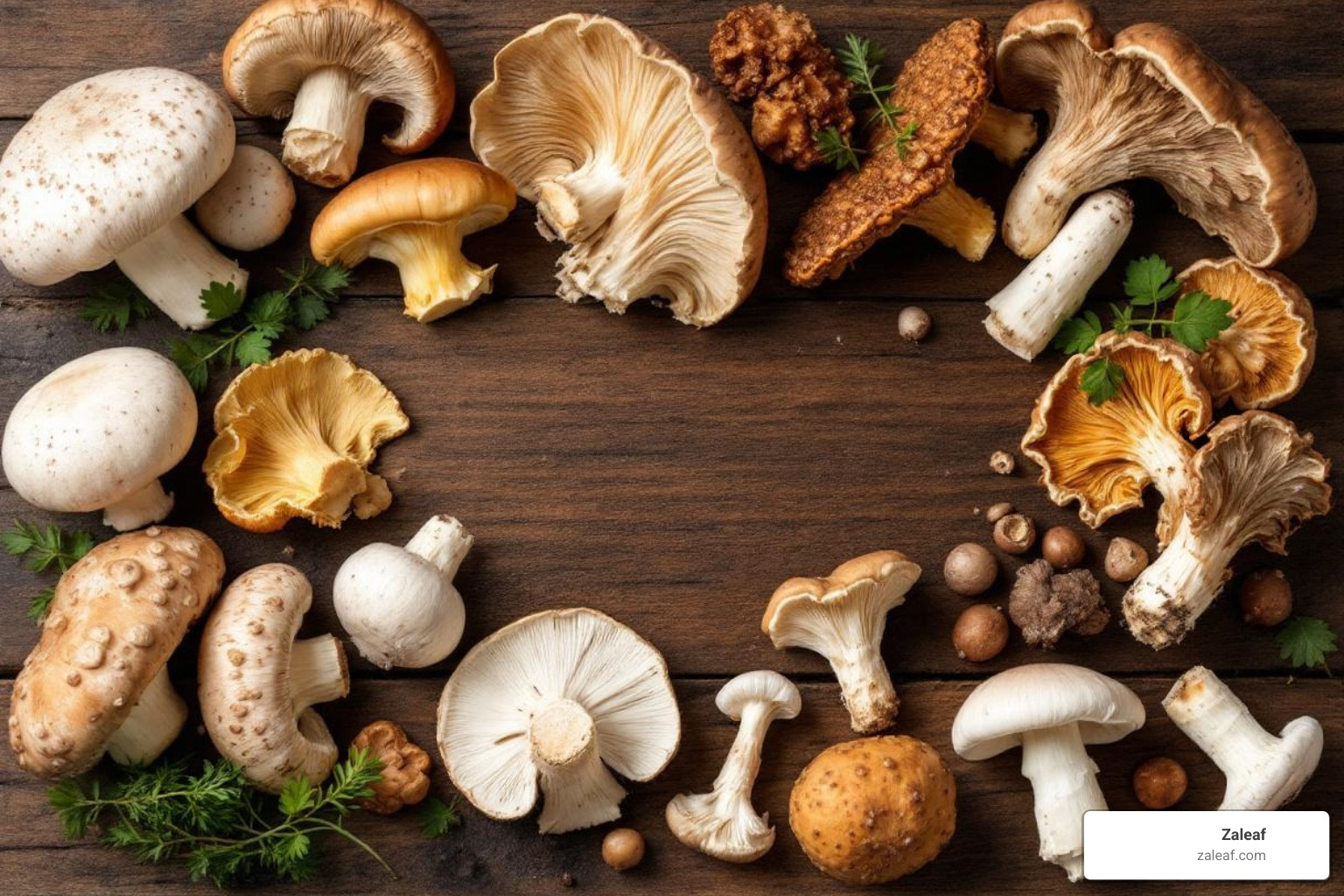
When we talk about natural edibles, fungi, particularly mushrooms, deserve a spotlight of their own. These fascinating organisms have been a part of human diets for millennia, prized for their unique textures, flavors, and nutritional profiles. Foraging for mushrooms is a time-honored tradition in many cultures, connecting people with the intricate ecosystems of forests and fields.
From the earthy shiitake to the robust portobello and the delicate chanterelle, mushrooms offer a culinary versatility that few other ingredients can match. Their ability to impart a deep, savory umami flavor makes them a favorite in cuisines around the world, elevating simple dishes to gastronomic delights. We even have a guide on Gummy Goodness: A Guide to Mushroom Edibles, exploring some of the exciting innovations in this space.
Nutritional and Culinary Value of Edible Mushrooms
Beyond their delicious taste, edible mushrooms are nutritional powerhouses. They are generally low in calories, making them a great addition to a balanced diet. But their benefits don't stop there. Mushrooms are rich in essential B vitamins, including riboflavin, niacin, and pantothenic acid, which are vital for energy metabolism and nervous system function. They also provide significant amounts of potassium, an important electrolyte for heart health and fluid balance.
Many varieties of mushrooms are packed with antioxidants, which help protect our cells from damage. Research highlights their various beneficial compounds. Furthermore, mushrooms are one of the few natural food sources of Vitamin D, particularly when exposed to UV light, making them a valuable addition for those looking to boost their intake.
In the kitchen, their unique textures and ability to absorb flavors make them incredibly versatile. Whether sautéed, roasted, grilled, or added to soups and stews, mushrooms contribute a depth of flavor that is hard to replicate.
The Risks of Wild Mushroom Foraging
While the allure of wild mushrooms is undeniable, the risks associated with foraging are severe and cannot be overstated. Unlike plants, where many poisonous species have clear warning signs, some of the deadliest mushrooms can look strikingly similar to their edible counterparts. This phenomenon of "poisonous look-alikes" is the primary reason why amateur foraging for mushrooms is so dangerous.
The infamous "Death Cap" mushroom (Amanita phalloides), for instance, is responsible for the vast majority of fatal mushroom poisonings worldwide. It contains potent toxins called amatoxins, which can cause irreversible liver and kidney damage. As experts emphasize, there is no simple test to distinguish a safe mushroom from a deadly one. Old wives' tales about edibility are often inaccurate and can lead to tragic consequences.
Our cardinal rule for anything foraged from the wild applies doubly to mushrooms: "When in doubt, throw it out." Unless you are an absolute expert, or foraging with one, it is safest to stick to commercially cultivated varieties. The stakes are simply too high to take chances with wild fungi.
The Modern Evolution of the Term: Cannabis Edibles
In recent years, the word edible has undergone a significant change, especially in popular culture and legal markets. While it still refers to anything safe to eat, it has increasingly become synonymous with "cannabis edibles"—food products infused with cannabis extracts or concentrates. This shift reflects the growing legalization of cannabis and the innovative ways consumers are choosing to enjoy its effects.
No longer limited to homemade brownies, today's cannabis edibles come in an astonishing array of forms: gummies, chocolates, beverages, cookies, tinctures, and even savory snacks. These products contain cannabinoids like Tetrahydrocannabinol (THC), which is responsible for the plant's intoxicating effects, and Cannabidiol (CBD), known for its potential therapeutic benefits without the "high." Our article Beyond the Brownie: A Beginner's Guide to What Edibles Really Are provides a great overview of this diverse market.
Understanding the Effects and Onset
One of the most crucial aspects that sets cannabis edibles apart from other consumption methods like smoking or vaping is their unique physiological pathway and delayed effects. When cannabis is inhaled, THC rapidly enters the bloodstream through the lungs, leading to a quick onset of effects, usually within minutes.
However, with edibles, the journey is much longer. The cannabinoids must first pass through the digestive system and then be metabolized by the liver before entering the bloodstream. This process leads to a significantly delayed onset, typically taking anywhere from 30 minutes to two hours to feel the initial effects. The full intensity often peaks around four hours.
This delay is a double-edged sword. While it allows for a more discreet and often smoother experience, it also makes it easy for impatient users to overconsume, leading to an unexpectedly intense and sometimes overwhelming "high." Furthermore, the effects of ingesting cannabis last considerably longer than inhalation, often up to 12 hours, with residual effects potentially lingering for up to 24 hours. Our guide Cannabis Edibles: How Long Do They Linger? digs deeper into this phenomenon. The liver's metabolism of THC into a more potent compound (11-hydroxy-THC) is a key reason why edibles can feel much stronger than smoking the same amount of cannabis.
Safety and Dosing for a Positive Experience
Given the delayed onset and prolonged duration, safety and responsible dosing are paramount when consuming cannabis edibles. The mantra for beginners is always "start low, go slow." The recommended starting dose for those new to cannabis edibles is no more than 2.5 mg of THC. It's crucial to wait at least two to four hours before considering taking more, even if you don't feel anything initially. Impatience is often the culprit behind uncomfortable experiences.
Always read the product labels carefully. Reputable brands, like those we offer at Zaleaf, provide clear information on THC and CBD content per serving. This allows you to accurately measure your dose and predict effects. Our article Dose Like a Pro: Mastering THC Gummies Dosage for Beginners offers detailed advice for navigating dosage.
Overconsumption of edibles can lead to unpleasant side effects such as anxiety, paranoia, nausea, dizziness, and impaired coordination. While these effects are temporary, they can be very distressing. Learn more about managing these in The Unwanted Trip: Common Side Effects of Cannabis Edibles.
Finally, proper storage is critical. Cannabis edibles often resemble regular candies or baked goods. To prevent accidental ingestion by children or pets, always store your edibles in child-resistant packaging, out of sight and reach. This is a responsibility we take very seriously at Zaleaf, ensuring our products are not only effective but also safely packaged.
Frequently Asked Questions about Edibles
We often get questions about the diverse world of edibles. Here are some of the most common ones we encounter:
What is the most important rule for consuming something foraged from the wild?
The absolute, non-negotiable rule for consuming anything foraged from the wild—be it a plant, berry, or mushroom—is absolute certainty in identification. If you are not 100% sure what you've found is safe, and ideally if that identification hasn't been confirmed by an expert, do not consume it. There are too many poisonous look-alikes that can cause severe illness or even death. When in doubt, throw it out. Your safety is not worth the risk.
Why do cannabis edibles feel stronger than smoking?
This is a common question, and the answer lies in how our bodies process cannabinoids. When you smoke or vape cannabis, THC goes directly to your brain via your lungs. When you ingest cannabis, however, the THC takes a detour through your liver. During this "first-pass metabolism," your liver converts much of the Delta-9 THC (the primary psychoactive compound) into a different compound called 11-hydroxy-THC. This metabolite is significantly more potent and has a longer half-life, meaning it produces a more intense, often more psychedelic, and much longer-lasting effect. This is why a 10mg edible can feel much stronger than inhaling cannabis with an equivalent THC amount. For a comprehensive overview, check out The Ultimate Guide to Edible Cannabis Effects.
Are all parts of an "edible plant" safe to eat?
Not necessarily, and this is another critical point for wild foraging. Just because a plant is generally considered "edible" doesn't mean every single part of it is safe to consume. For example, some plants might have edible leaves, but their roots could be poisonous. Or a plant might produce a delicious, safe fruit, but its stems or seeds could contain toxic compounds. Take the tomato plant, for instance: the fruit is a culinary staple, but the leaves and stems are toxic. It's crucial to know precisely which parts of a particular plant are safe for consumption and how they should be prepared. Always research specific parts of a plant, not just the plant's general edibility.
Conclusion
Our journey through edibles reveals a fascinating landscape, from the ancient practice of foraging for wild plants and insects to the cutting-edge innovations in processed foods and cannabis-infused delights. The core definition of edible remains constant: safety for consumption. However, its application has evolved dramatically, reflecting our changing lifestyles, scientific advancements, and cultural shifts.
Whether you're exploring the nutritional benefits of mushrooms, considering the environmental impact of insect protein, or navigating the modern market of cannabis edibles, knowledge is your most powerful tool. Understanding the nuances of onset times, proper dosing, and the critical importance of identification are key to ensuring a positive and safe experience.
At Zaleaf, we are committed to providing you with safe, high-quality, and predictable experiences. Our cannabis edibles are carefully lab-tested, ensuring precise cannabinoid and terpene profiles designed for mood-specific effects. We believe in transparency and empowering our customers with the information they need to make informed choices. With fast shipping and discreet packaging, we make it easy to explore legal cannabis edibles with confidence.
Ready to explore a wide array of carefully crafted edibles? Explore our full range of products today and find the Zaleaf difference.