

Everything You Need to Know About Delta 10 Edibles

Delta 10 Edibles: What to Know Before You Try Them

Delta 10 edibles are foods, often gummies, infused with Delta-10 THC. They can cause a high that users often describe as milder than Delta-9 THC, but research on their effects is limited. Because edibles take time to work and can last for hours, start with a low dose and wait at least two hours before considering more.
Check the product's independent lab report and your local laws before buying. Delta 10 edibles can cause side effects and may lead to a positive THC drug test.
I'm Max Shemesh, owner and CEO of Zaleaf. My experience developing cannabinoid products and prioritizing third-party testing shapes this guide to Delta 10 edibles: understand what's in them before deciding whether to use them.
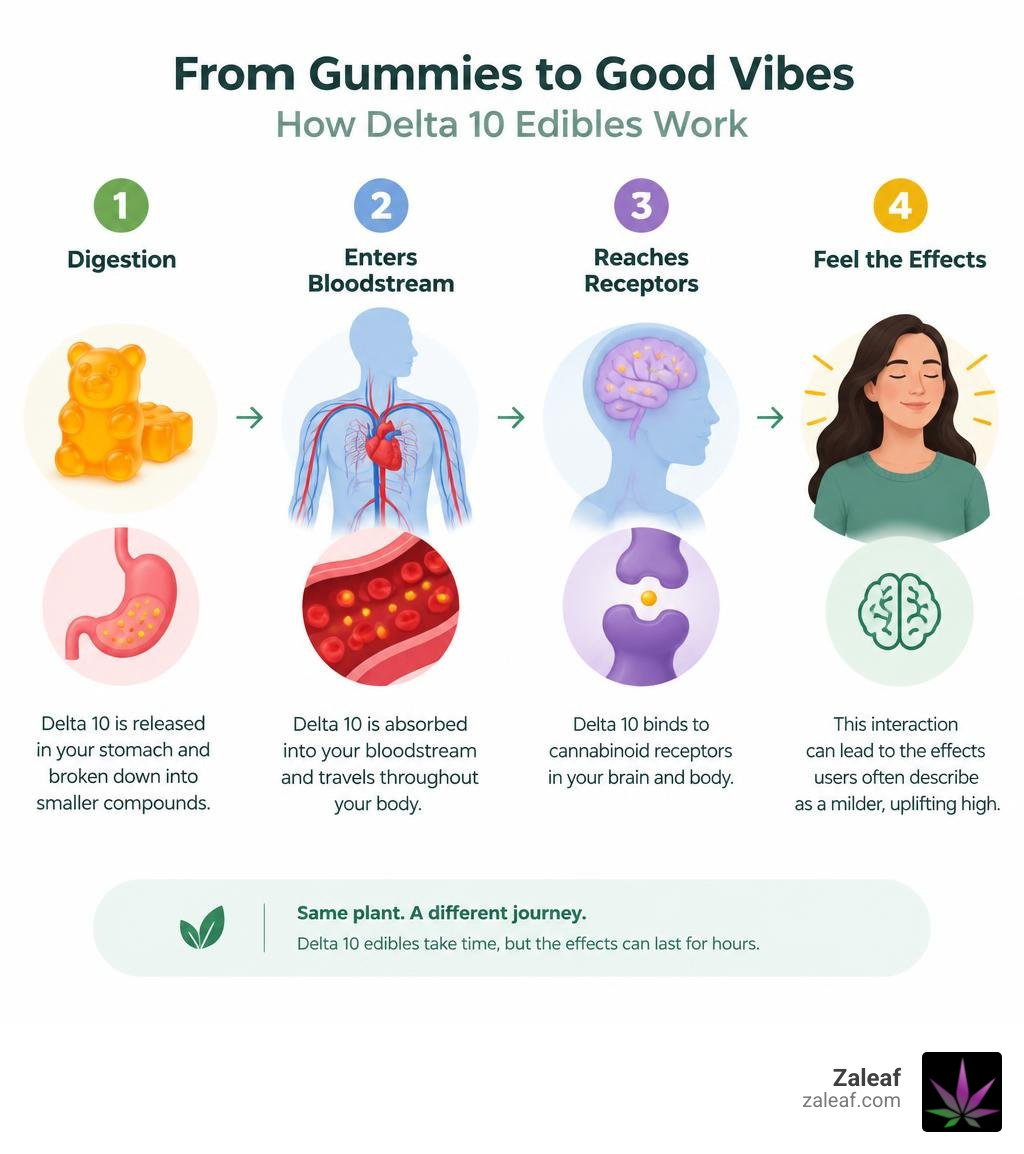
Simple guide to Delta 10 edibles terms:
What Are Delta 10 Edibles and How Do They Work?
Delta-10-tetrahydrocannabinol (Delta-10 THC) is a naturally occurring cannabinoid found in trace amounts within cannabis plants. Because natural concentrations are exceptionally low, commercial Delta-10 is produced through a specialized isomerization process that converts hemp-derived cannabidiol (CBD) into Delta-10 distillate.
Chemically, Delta-10 is an isomer of traditional Delta-9 THC. The key distinction lies in the placement of a chemical double bond: while Delta-9 has this bond on the ninth carbon atom in its molecular chain, Delta-10 carries it on the tenth carbon atom. You can think of Delta-10 as a close cousin to Delta-9—they share the same molecular family tree, but live on slightly different branches.
When you consume Delta-10 in an edible form—such as chewable gummies, baked goods, or infused sweets found among various edibles—it takes a different physiological journey than inhaled vapor. The cannabinoid passes through your digestive tract and travels straight to the liver.
During this first-pass hepatic metabolism, liver enzymes break down the compound into active 11-hydroxy metabolites before circulating it into your bloodstream. This metabolic pathway is why ingested cannabinoids deliver deeper, longer-lasting systemic effects compared to rapid inhalation methods. Once active, Delta-10 binds with the body's CB1 and CB2 cannabinoid receptors, though its affinity for CB1 receptors in the brain is notably lower than Delta-9, producing a gentler, more clear-headed experience.
Onset Time and Duration of Delta 10 Edibles
Edibles require patience. Unlike vapes or tinctures held under the tongue, ingested cannabinoids must be thoroughly digested before entering the bloodstream.
- Initial Onset: 60 to 90 minutes (can occasionally take up to 2 hours depending on stomach contents)
- Peak Plasma Levels: 2.5 to 3.5 hours post-consumption
- Total Duration of Effects: 4 to 8 hours
Individual metabolic rates, recent meals, hydration levels, and individual endocannabinoid tone all influence this timeline. A common mistake is consuming a second portion after 45 minutes because "nothing is happening." Always allow a full two hours before evaluating the intensity of the experience.
Psychoactive Effects, Benefits, and Potential Side Effects
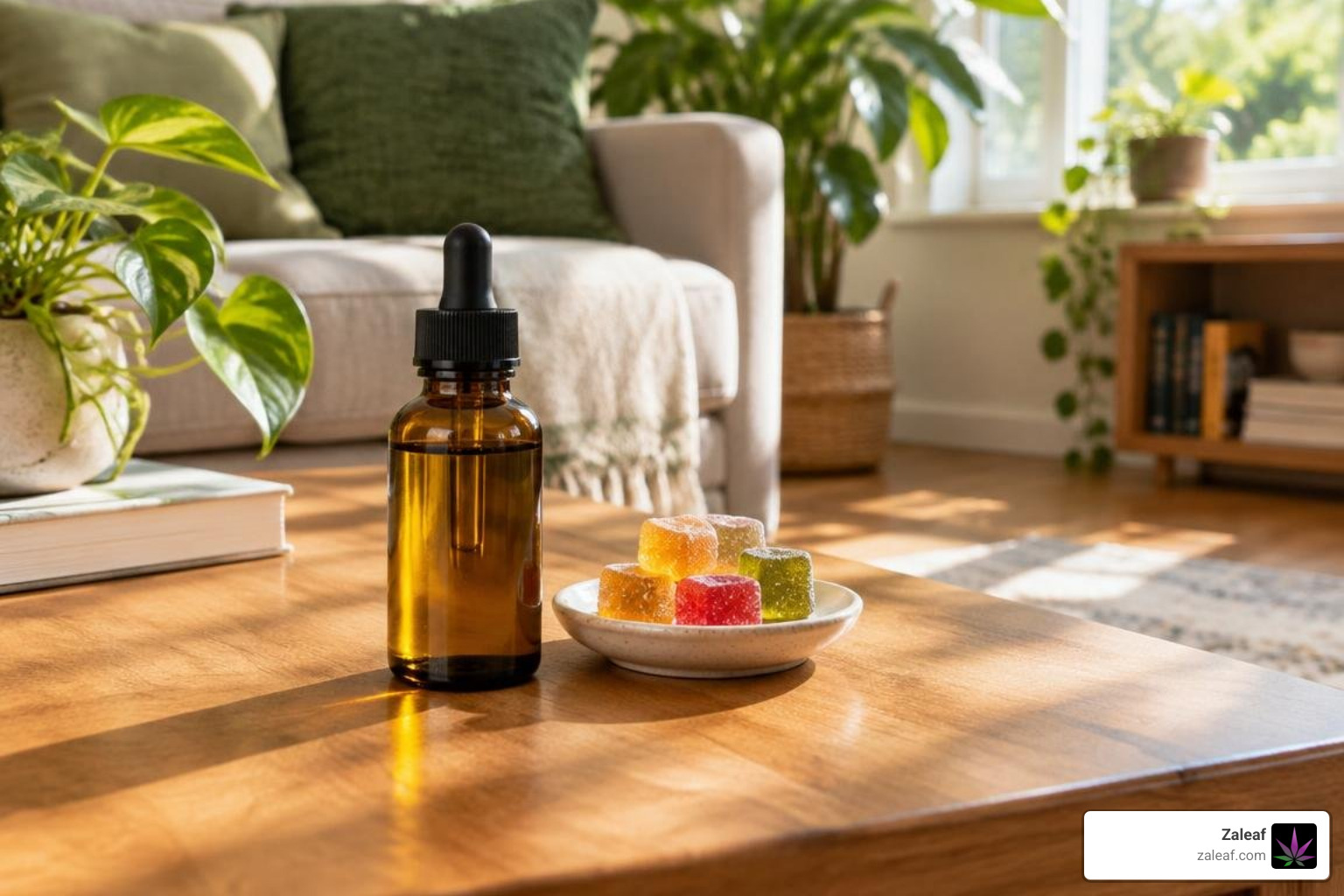
Delta-10 THC interacts with the central nervous system to create a mild, uplifting psychoactive high. Many consumers describe the experience as functional and motivating, often comparing it to an energizing sativa-style profile.
Commonly reported benefits include:
- A light, cheerful sense of euphoria
- Enhanced creative focus and clear-headed mental clarity
- Gentle daytime stress relief without intense physical sedation
- An approachable introduction to cannabinoids for those prone to Delta-9 overstimulation
Although Delta-10 is widely enjoyed for its gentler footprint, it remains an intoxicating compound. The U.S. Food and Drug Administration provides helpful educational resources on synthetic conversion and hemp-derived compounds, such as their overview of cannabinoid safety and manufacturing.
Common Adverse Reactions and Safety Considerations
Like all psychoactive cannabinoids, Delta-10 THC carries potential side effects, particularly when consumed in higher quantities:
- Dry mouth and dry eyes
- Elevated heart rate (tachycardia)
- Temporary lightheadedness or drowsiness
- Heightened anxiety or paranoia (especially at excessive dosages)
- Coordination difficulties or mild confusion
High-dose overconsumption can lead to uncomfortable sensory experiences or disorientation. Accidental ingestion poses serious risks, particularly for children. Edibles frequently resemble traditional candies, making secure, locked, child-resistant storage essential in every household. In any instance of accidental pediatric ingestion, immediate emergency medical attention is necessary.
Drug Test Risks and System Retention
If you are subject to workplace or regulatory drug screenings, do not consume Delta-10 edibles.
Standard drug screenings utilize immunoassay tests designed to detect THC-COOH, the primary metabolic byproduct created when the liver processes any form of tetrahydrocannabinol. Because Delta-10 is converted into nearly identical downstream metabolites as Delta-9 and Delta-8, it reliably triggers cross-reactivity and yields a presumptive positive result.
THC metabolites are lipophilic (fat-soluble), storing themselves in adipose tissue and releasing slowly over time:
- Infrequent Users (1–2 times per month): 3 to 7 days
- Moderate Users (several times per week): 10 to 20 days
- Daily / Chronic Users: 30 to 60+ days
No over-the-counter cleansing kit guarantees complete clearance. Complete abstinence remains the only certain safeguard against a failed drug screening.
Legal Status, Testing Standards, and Market Quality in 2026

Under the federal 2018 Farm Bill, hemp and its derivatives containing no more than 0.3% Delta-9 THC on a dry weight basis were removed from the Controlled Substances Act. Because Delta-10 is processed from federally compliant hemp CBD, it operates legally under federal law.
However, state laws vary significantly. Because Delta-10 is chemically synthesized from CBD and produces intoxicating effects, several states have enacted specific prohibitions or strict regulatory frameworks. At least 14 states have banned or restricted Delta-10 THC and similar chemically modified cannabinoids. Consumers must verify their local state and municipal regulations before ordering hemp-derived psychoactive items online.
Third-Party Lab Testing and Certificates of Analysis
The lack of comprehensive federal oversight in the hemp sector places the responsibility of quality verification directly on the consumer. The chemical conversion of CBD into Delta-10 requires harsh catalysts, acids, and heat. When improperly managed, unrefined final products may contain harmful residual solvents, heavy metals, or unidentified chemical byproducts.
To protect your health, inspect the Certificate of Analysis (COA) for every product. A complete lab report should confirm:
- Cannabinoid Potency: Verifies the precise milligram strength of Delta-10 and checks that Delta-9 levels remain at or below 0.3%.
- Residual Solvents: Proves that heptane, hexane, butane, and ethanol were fully purged following conversion.
- Heavy Metals: Confirms the absence of lead, cadmium, mercury, and arsenic.
- Pesticides and Microbials: Checks for agricultural chemicals, molds, yeasts, and bacteria.
At Zaleaf, our entire collection of gummies undergoes comprehensive 3rd party testing. We provide 100% legal cannabis products with fast shipping, discrete packaging, and enhanced cannabinoid and terpene profiles tailored for specific moods—with no ID or medical card required.
Dosing Guidelines and Harm Reduction
When enjoying Delta 10 edibles, practicing a "low and slow" dosing strategy minimizes unwanted adverse effects and ensures a pleasant, measured experience.
For beginner-friendly dosing options, accurately formulated products like infused fruit gummies allow you to measure your intake cleanly and predictably.
Best Practices for Consuming Delta 10 Edibles
- Eat a Balanced Snack: Consuming your edible alongside a small meal containing healthy fats (such as nuts, avocado, or yogurt) improves cannabinoid absorption.
- Stay Well Hydrated: Keep water on hand to prevent dry mouth and lightheadedness.
- Avoid Polysubstance Use: Do not combine Delta-10 with alcohol, prescription sedatives, or other intoxicating substances.
- Mind Your Environment: Consume your edible in a safe, comfortable setting where you can relax without immediate responsibilities.
- Childproof Storage: Always store products in their original, child-resistant containers high out of reach of minors and pets.
Populations Who Should Avoid Delta 10
Certain groups face heightened health risks and should abstain entirely from Delta-10 THC:
- Pregnant or Breastfeeding Individuals: Cannabinoids cross both the placental barrier and breast milk, posing developmental risks.
- Individuals with Cardiovascular Conditions: Delta-10 can cause short-term spikes in heart rate and blood pressure fluctuations.
- People with Personal or Family Histories of Psychosis: Psychoactive cannabinoids can trigger or exacerbate underlying psychiatric conditions.
- Individuals Operating Vehicles or Machinery: Delta-10 impairs reaction times and motor coordination.
Frequently Asked Questions About Delta 10
Will Delta 10 edibles show up on a standard drug test?
Yes. Commercial urine, blood, and hair drug screenings test for the general THC-COOH metabolite. Because Delta-10 breaks down into these same metabolic markers, it will trigger a positive test result.
How strong are Delta 10 edibles compared to Delta 9 THC?
Delta-10 is roughly 50% to 60% as potent as Delta-9 THC. Users experience a noticeable psychoactive lift, but with greater mental clarity and a lower likelihood of overwhelming physical sedation or racing thoughts.
Are Delta 10 edibles legal to ship across state lines?
Under federal law, hemp-derived Delta-10 products containing less than 0.3% Delta-9 THC can be transported across state lines. However, shipments cannot be legally delivered to states that have enacted explicit local bans on isomerized cannabinoids.
Conclusion
Delta-10 edibles offer an approachable, uplifting alternative within the modern cannabinoid space. Their signature blend of daytime mental clarity, gentle euphoria, and functional relaxation makes them an appealing choice for both curious newcomers and seasoned enthusiasts looking for a manageable psychoactive experience.
Navigating this market requires careful attention to product quality, mindful dosing, and a thorough review of independent lab certifications. Explore our complete collection of educational cannabis and hemp guides to deepen your understanding of cannabinoids, discover custom terpene formulations, and find lab-verified products designed for your lifestyle.