

Stop Tossing and Turning with These Relaxation Oil Blends
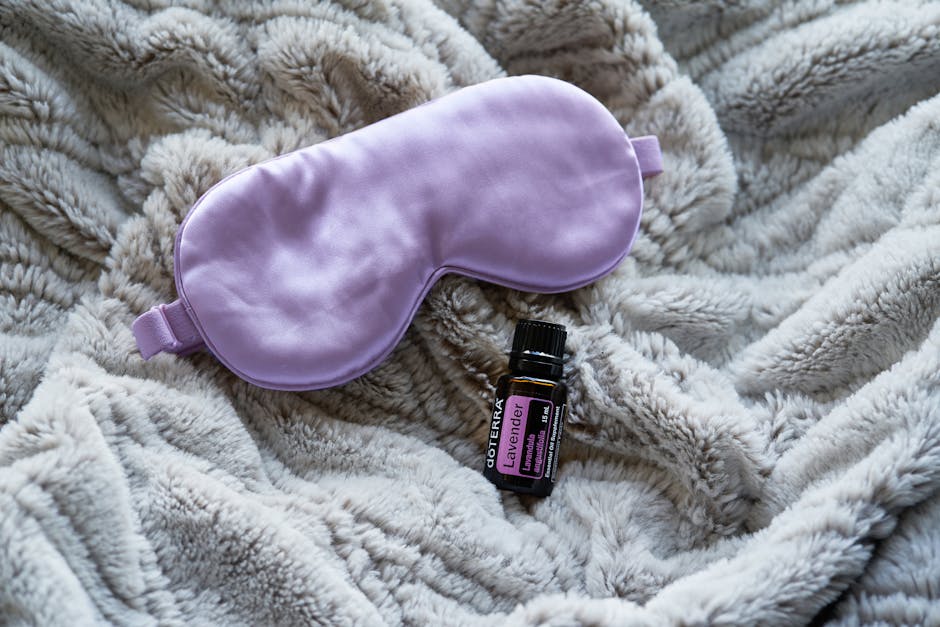
Why Deep Sleep Oil Might Be the Missing Piece in Your Bedtime Routine

Deep sleep oil is a blend of essential oils — and sometimes cannabinoids like CBD or CBN — designed to help your mind and body relax so you can fall asleep faster and stay asleep longer.
Here are the most effective types at a glance:
| Type | Key Ingredients | Best For |
|---|---|---|
| Essential oil blends | Lavender, Chamomile, Valerian Root | Aromatherapy, topical use |
| CBD-infused sleep oils | CBD + essential oils | Stress relief, deeper relaxation |
| CBD + CBN tinctures | CBD, CBN, sleep terpenes | Heavy-duty sleep support |
| CBD + Melatonin tinctures | CBD, Melatonin | Resetting sleep cycles |
If you've tried everything — earlier bedtimes, cutting caffeine, putting your phone down — and you're still lying awake at night, you're not alone. Millions of people struggle to quiet a racing mind when the lights go off.
The good news? Nature has a toolkit for that. Certain plant-derived oils and cannabinoid blends have been used for thousands of years to ease tension, calm the nervous system, and set the stage for genuinely restful sleep. And today, there are more well-formulated options than ever.
I'm Max Shemesh, owner and CEO of Zaleaf, and with years of hands-on experience in cannabinoid formulations — including developing deep sleep oil products built on quality, transparency, and third-party testing — I'm here to cut through the noise and show you what actually works. Let's find the right blend for your nights.
Easy Deep sleep oil word list:
What is Deep Sleep Oil and Why Does It Work?
To understand why a Deep sleep oil can be so effective, we have to look at how our bodies process scent and topical ingredients. Aromatherapy isn't just a "nice smell"; it is a physiological interaction between plant compounds and your biology.
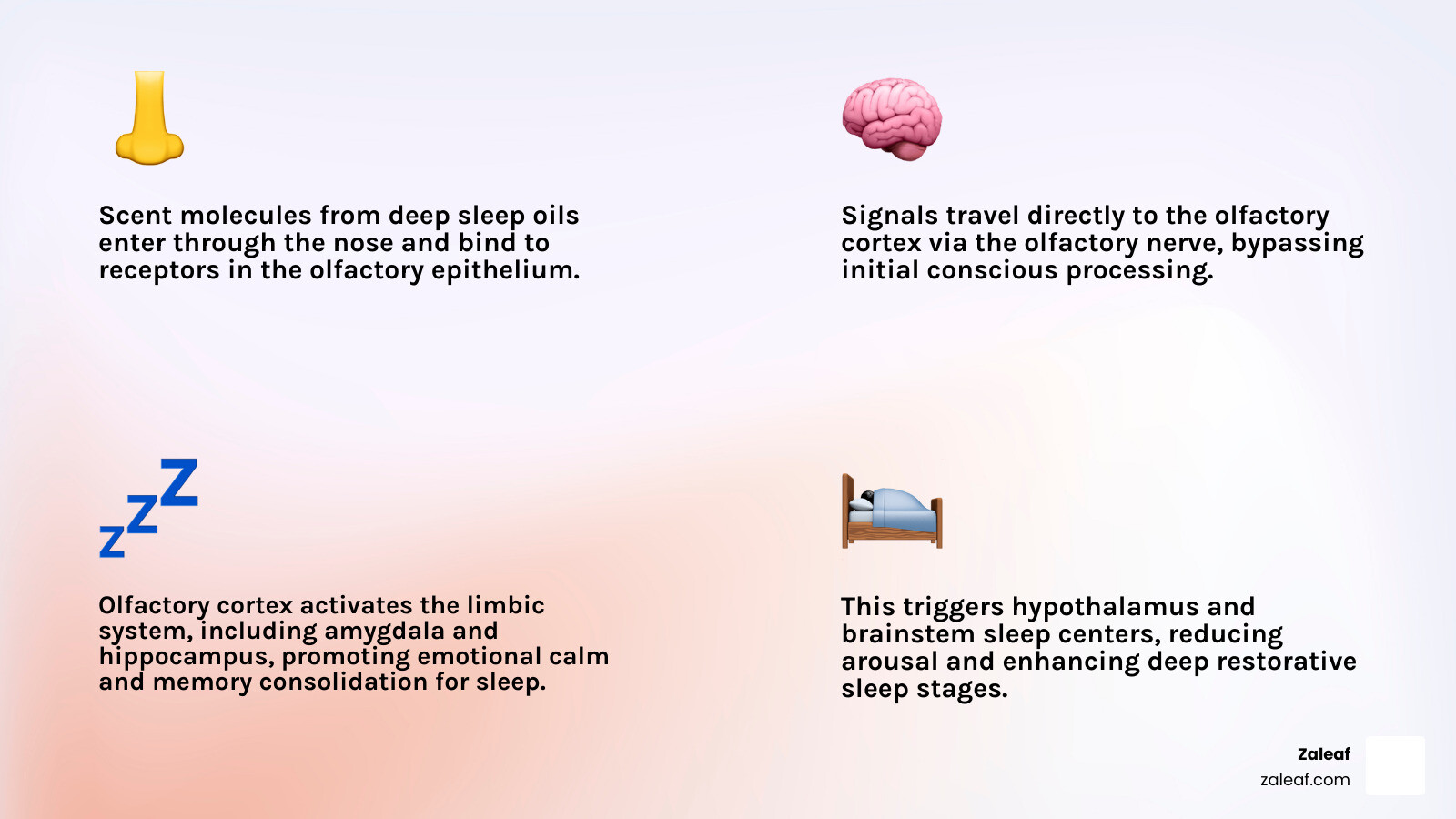
When you inhale the aroma of a sleep blend, the scent molecules travel through the nose and hit the olfactory bulb. This sends an immediate signal to the olfactory cortex, the part of the brain that recognizes smells. More importantly, this area is closely linked to the limbic system, which governs emotions, memory, and—you guessed it—the sleep-wake cycle.
Retraining the Nervous System
Many high-quality oils work by balancing the Central Nervous System (CNS). In our modern world, we are often stuck in "fight or flight" mode due to blue light, work stress, and constant notifications. Ingredients found in Deep sleep oil blends, such as Linalool (found in lavender) or Valerenic acid (from valerian root), act as mild sedatives that signal the CNS to shift into "rest and digest" mode.
Research into essential oil application methods shows that whether you are diffusing these oils or applying them to the skin, the goal is mental relaxation and a sense of well-being. By using these oils consistently, you can actually "train" your brain to recognize a specific scent as a cue that it is time to shut down for the night.
Choosing the Right Deep Sleep Oil for Your Nightly Routine
Not all oils are created equal. When you’re browsing the aisles or shopping online, you’ll see everything from $5 bottles to $100 tinctures. The difference usually lies in the purity of the ingredients and the "carrier" used to deliver them.
Carrier Oils Matter
Pure essential oils are incredibly potent and can actually irritate the skin if used alone. That’s why topical Deep sleep oil products use carrier oils.
- Fractionated Coconut Oil (MCT): This is a favorite because it is liquid at room temperature, odorless, and absorbs into the skin almost instantly without leaving a greasy residue.
- Jojoba Oil: Closely mimics the skin's natural oils, making it great for sensitive skin.
- Sunflower Seed Oil: Often used in artisanal blends for its high Vitamin E content.
Quality Indicators
We always recommend looking for products that prioritize transparency. This means:
- 3rd Party Testing: Ensuring the oil contains what it says it does and is free from heavy metals or pesticides.
- Organic Certification: At least 95% organic material is a gold standard in the industry.
- Cruelty-Free: Ensuring no animals were harmed in the making of your relaxation ritual.
Botanical vs. Cannabinoid Oils
Deciding between a purely botanical oil and one infused with cannabinoids depends on the severity of your sleeplessness.
| Feature | Botanical Essential Oils | Cannabinoid-Infused Tinctures |
|---|---|---|
| Primary Method | Aromatherapy/Topical | Ingestion/Sublingual |
| Active Compounds | Terpenes (Linalool, Limonene) | CBD, CBN, THC, Terpenes |
| Best For | Mild restlessness, creating a ritual | Chronic insomnia, high stress, physical tension |
| Dependency | None | None (Non-habit forming) |
The Science Behind Deep Sleep Oil Ingredients
The "magic" in a Deep sleep oil comes from the specific chemical constituents of the plants involved. Here are the heavy hitters:
- French Lavender: Contains high levels of linalool and linalyl acetate, which have well-documented anti-anxiety and sedative effects.
- Valerian Root: Often used for its natural sedative properties, it contains valerenic acid which inhibits the breakdown of GABA in the brain, helping you feel calm.
- Roman Chamomile: Known for its ability to reduce a "spinning mind" and promote emotional ease.
- Ylang Ylang: This exotic floral oil is excellent for reducing blood pressure and heart rate when inhaled.
- Vetiver: A thick, earthy oil that is incredibly grounding—perfect for those who feel "flighty" or overstimulated at night.
For a deeper dive into how plant-based ingredients can transform your nights, check out our guide to cannabis edibles for sleep.
Enhancing Effects with CBD, CBN, and Melatonin
While essential oils are fantastic, sometimes you need a bit more "oomph." This is where cannabinoids come in. By interacting with the body’s Endocannabinoid System (ECS), compounds like CBD and CBN can help regulate sleep patterns more directly.
- CBD (Cannabidiol): Helps lower cortisol levels (the stress hormone) so your body can naturally produce its own melatonin.
- CBN (Cannabinol): Often referred to as the "sleepy cannabinoid," CBN is aged THC that has lost its psychoactive "high" but gained powerful sedative properties. A blend with 5000mg CBD and 2500mg CBN is a potent tool for those who struggle to stay asleep.
- The Entourage Effect: When you combine these cannabinoids with the terpenes found in essential oils, they work better together than they do alone. This synergy is why "Broad Spectrum" oils are so popular—they offer the benefits of the whole plant without the THC.
If you prefer an inhaled method for faster onset, you might want to explore how to sleep soundly with CBD vapes.
How to Use Your Sleep Blends Effectively
Getting the most out of your Deep sleep oil isn't just about what's in the bottle—it's about how you use it.
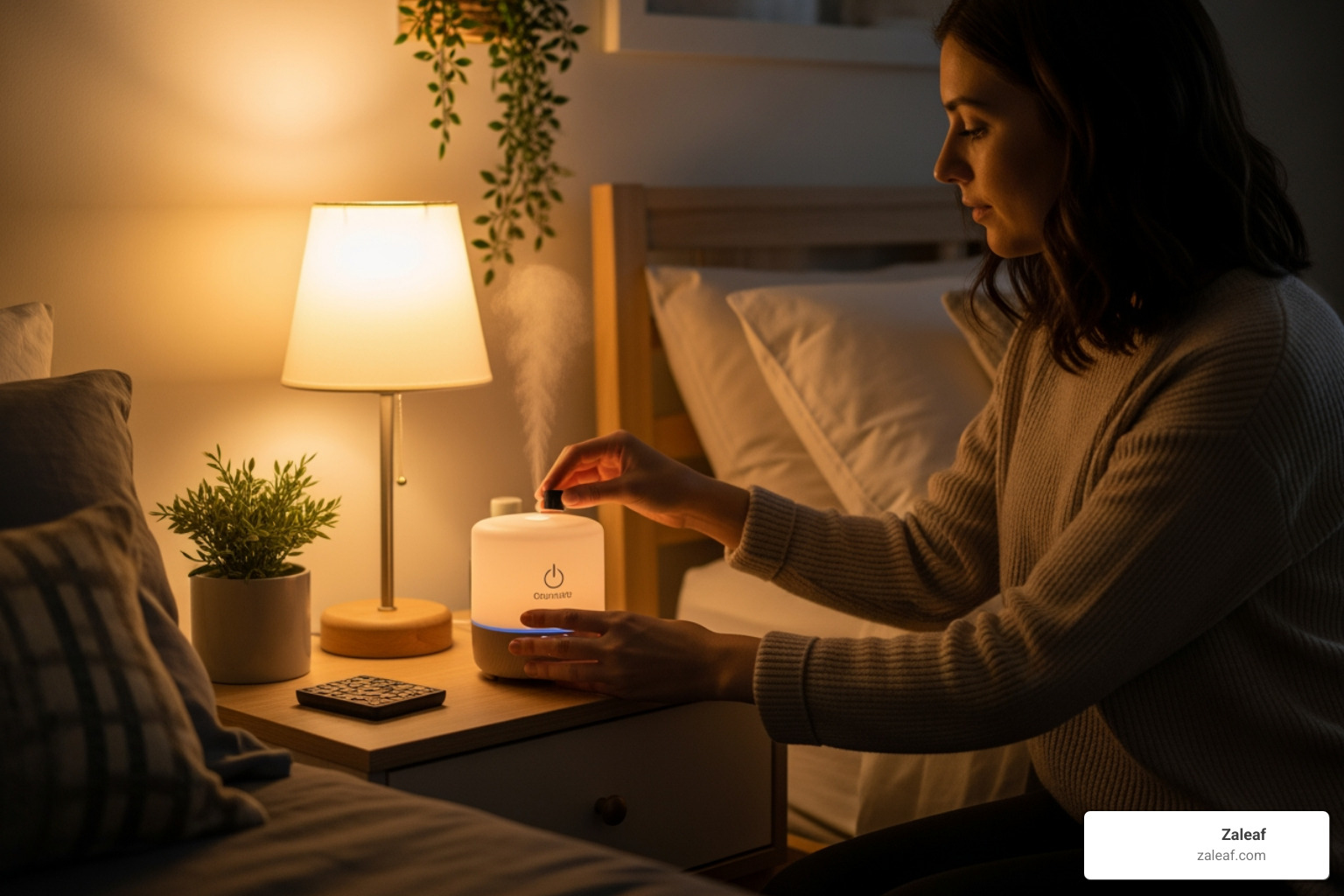
1. Diffusion
This is the most common way to use pure essential oil blends.
- The Method: Add 3-4 drops to your diffuser about 30 minutes before you plan to crawl into bed.
- The Benefit: It fills the room with relaxing molecules, creating a "sleep sanctuary."
2. Topical Application
For a more targeted effect, roll-ons or diluted oils are best.
- The Method: Apply to pulse points like wrists, temples, and the back of the neck.
- The Benefit: The heat from your pulse points helps evaporate the oil so you can breathe it in, while the carrier oil allows the skin to absorb the compounds.
3. Sublingual Administration (For Tinctures)
If your Deep sleep oil is a CBD or CBN tincture, you'll want to take it under the tongue.
- The Method: Hold a full dropper (approx. 1mL) under your tongue for 60 seconds before swallowing.
- The Benefit: This bypasses the digestive system, allowing the cannabinoids to enter the bloodstream within 15-30 minutes.
For those who enjoy the ritual of vaping before bed, we have a guide on vape pens for sleep enhancement.
How to Apply Deep Sleep Oil Topically
If you’re using a topical blend, there are specific "hot spots" that can maximize the oil's effectiveness:
- The Solar Plexus: Located just below your ribs, this area is a major nerve center. Massaging a few drops here can help release physical tension held in the gut.
- The Soles of the Feet: The pores on the bottom of your feet are some of the largest on your body, allowing for quick absorption. Plus, a foot massage is inherently relaxing!
- Inside Elbows and Behind Knees: These areas have thin skin and high blood flow, making them "express lanes" for the oil to enter your system.
Pro-Tip: Apply your oil about an hour before bedtime. This gives the skin time to absorb the carrier oil and allows the scent to fully engage your olfactory system.
Safety First: Precautions and Side Effects
While natural, Deep sleep oil products are powerful. Here’s how to stay safe:
- Dilution is Key: Never apply "neat" (undiluted) essential oils to the skin. Always ensure they are in a carrier oil at a 3-4% concentration.
- Photosensitivity: Some oils, particularly citrus-based ones like Bergamot, can make your skin sensitive to sunlight. Look for "Bergapten-free" (FCF) Bergamot to avoid this issue.
- Pregnancy and Nursing: Always consult a physician before using essential oils or cannabinoids if you are pregnant or breastfeeding.
- Drug Testing: If you are using a hemp-derived oil, be aware that even trace amounts of Delta 9 THC (below 0.3%) can occasionally trigger a positive result on sensitive drug screenings. If this is a concern, stick to "Broad Spectrum" or "Isolate" products which are 0% THC.
- External vs. Internal: Never ingest an oil labeled for "aromatherapy" or "external use." Only tinctures specifically formulated as supplements should be swallowed.
For a different way to enjoy cannabinoids without the oil application, you might enjoy gummies to help you fall asleep.
Frequently Asked Questions about Sleep Oils
Can I use deep sleep oils every night?
Yes! In fact, consistency is your best friend. Using the same Deep sleep oil every night helps "anchor" your brain to the habit of sleeping. Unlike some pharmaceutical sleep aids, natural essential oils and CBD/CBN blends do not typically lead to chemical dependency.
Will CBD-infused sleep oils show up on a drug test?
It depends on the type of oil. Full Spectrum oils contain up to 0.3% THC. While this isn't enough to get you high, it can build up in your system and potentially show up on a test. If you are tested for work, look for Broad Spectrum or THC-Free labels.
How long before bed should I apply my oil blend?
For aromatherapy (diffusion), start 30 minutes before bed. For topical application, 30-60 minutes is ideal to allow for skin absorption. For sublingual tinctures, 15-30 minutes before you want your "lights out" time is the sweet spot.
Finding the Perfect Balance for Restful Nights
At the end of the day, the best Deep sleep oil is the one that fits seamlessly into your life. Whether you love the ritual of a roll-on, the atmospheric calm of a diffuser, or the potent support of a CBD + CBN tincture, the goal is the same: waking up feeling refreshed and ready to take on the day.
At Zaleaf, we take sleep seriously. We specialize in enhancing cannabinoid and terpene profiles to create mood-specific effects that actually work. All of our products undergo rigorous 3rd party testing to ensure they are 100% legal, safe, and effective. Plus, we offer fast shipping and discrete packaging, so your path to better sleep is as stress-free as possible.
Ready to stop counting sheep? Explore our detailed guide to CBD oil for stress and effectiveness to see how you can build the ultimate relaxation routine.
Sweet dreams!