

Decoding Your Cannabis: The Importance of Independent Lab Results
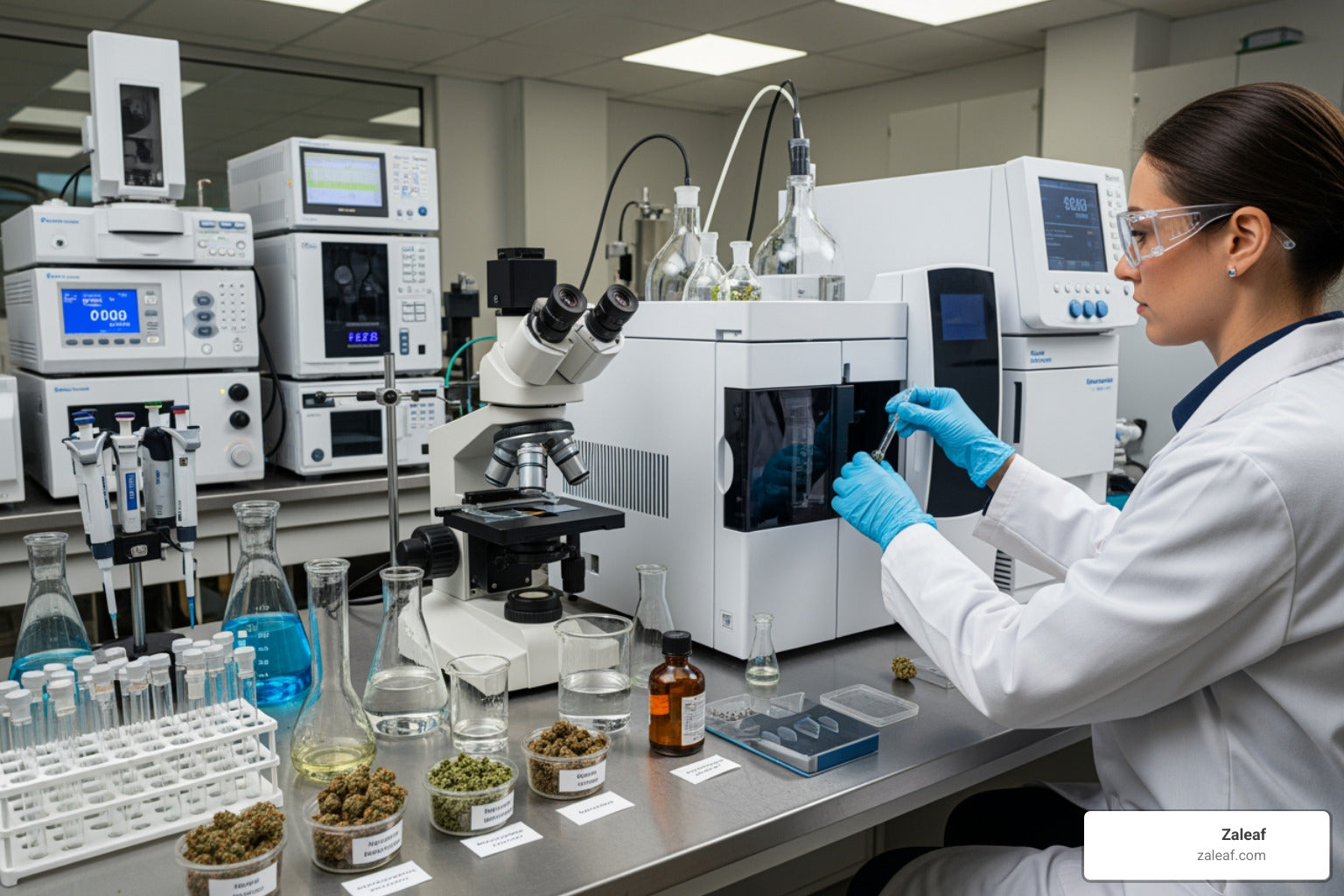
Why Cannabis Third-Party Testing Protects Your Peace of Mind
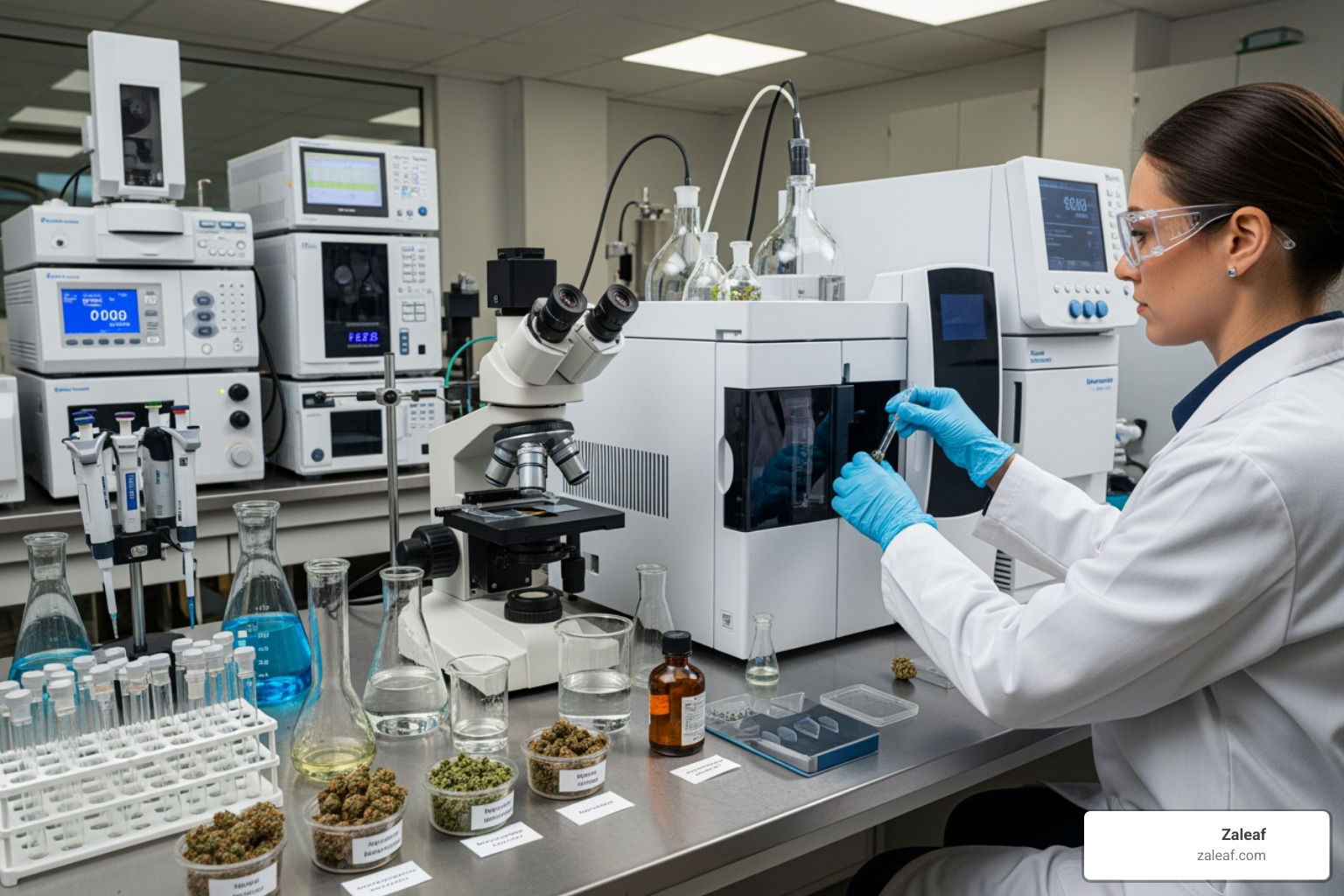
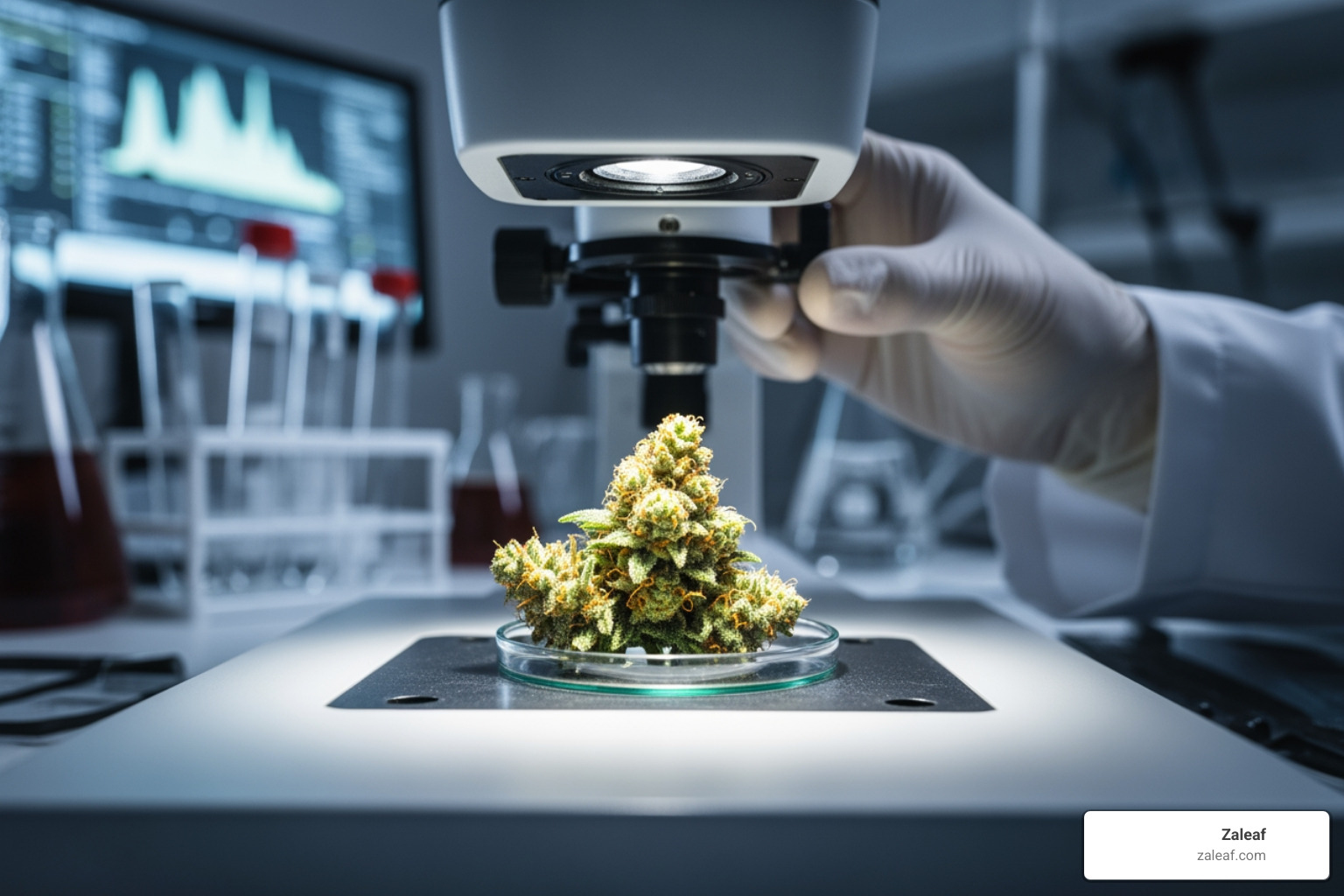
Cannabis third-party testing is the independent laboratory analysis that verifies what's in your cannabis products. This analysis typically covers:
What Gets Tested:
- Potency - Exact THC, CBD, and cannabinoid levels
- Contaminants - Pesticides, heavy metals, mold, bacteria
- Purity - Residual solvents, mycotoxins, foreign materials
- Terpenes - Aromatic compounds affecting flavor and effects
Why It Matters:
- Ensures product safety and quality
- Confirms accurate labeling
- Provides unbiased verification from labs with no financial stake in results
- Gives you a Certificate of Analysis (COA) to verify what you're consuming
In an industry with inconsistent federal oversight, third-party testing is your guarantee that a product is exactly what the label claims. While transparency is growing, many brands still don't test their products, despite claims of purity and potency. This is a problem when you're looking for reliable stress relief.
The reality is simple: Without independent testing, you're taking the manufacturer's word for it. With testing, you have proof.
I'm Max Shemesh, and at Zaleaf, we've built our reputation on delivering high-quality cannabinoid products backed by rigorous cannabis third-party testing. Every product comes with accessible lab results because your safety and peace of mind are the foundation of everything we do.
Cannabis third party testing terms to learn:
The Gold Standard: Why Cannabis Third-Party Testing is Essential
In the cannabis industry, where regulations are a patchwork and trust is paramount, cannabis third-party testing is the guardian of quality and safety. It's the process where an independent, accredited lab with no affiliation to the producer analyzes a product. This unbiased verification is crucial because the lab has no financial stake in the results, meaning their reports are purely scientific.
Think of it like a food critic: you trust their unbiased review more than the chef's own claims. The same principle applies here. Without independent verification, you're just taking a brand's word for it. Since the cannabis industry is largely unregulated at the federal level, this self-regulation through testing is an absolute necessity.
This highlights the difference between third-party and in-house testing. While in-house testing is useful for quality control, it lacks independent oversight and can be biased. Third-party testing eliminates this conflict of interest, providing impartial reports on purity, potency, and consistency. It's about proving quality, not just claiming it.
At Zaleaf, rigorous third-party lab testing is essential for earning your trust. It's how we ensure every product meets our high standards for safety and efficacy. This commitment to transparency is why we make all our lab results readily available. To dive deeper, explore The Ins and Outs of Third-Party Lab Testing.
Industry advocacy shows a positive trend towards transparency, with a significant increase in vetted products in recent years. However, many products still remain untested. Our commitment to cannabis third-party testing means we're leading the charge for a safer, more transparent market.
What's Inside? A Guide to Cannabis Contaminant and Purity Screening
Our rigorous cannabis third-party testing goes beyond potency to screen for a range of harmful contaminants, ensuring unparalleled purity and your peace of mind. Here's what we look for:
- Pesticides: Residues from cultivation can be harmful when consumed, causing issues from allergic reactions to severe neurological effects. Testing ensures products are free from these chemicals.
- Heavy Metals: Cannabis can absorb toxic metals like lead, mercury, and arsenic from soil or water. These can accumulate in the body and cause serious health problems, so testing for them is crucial.
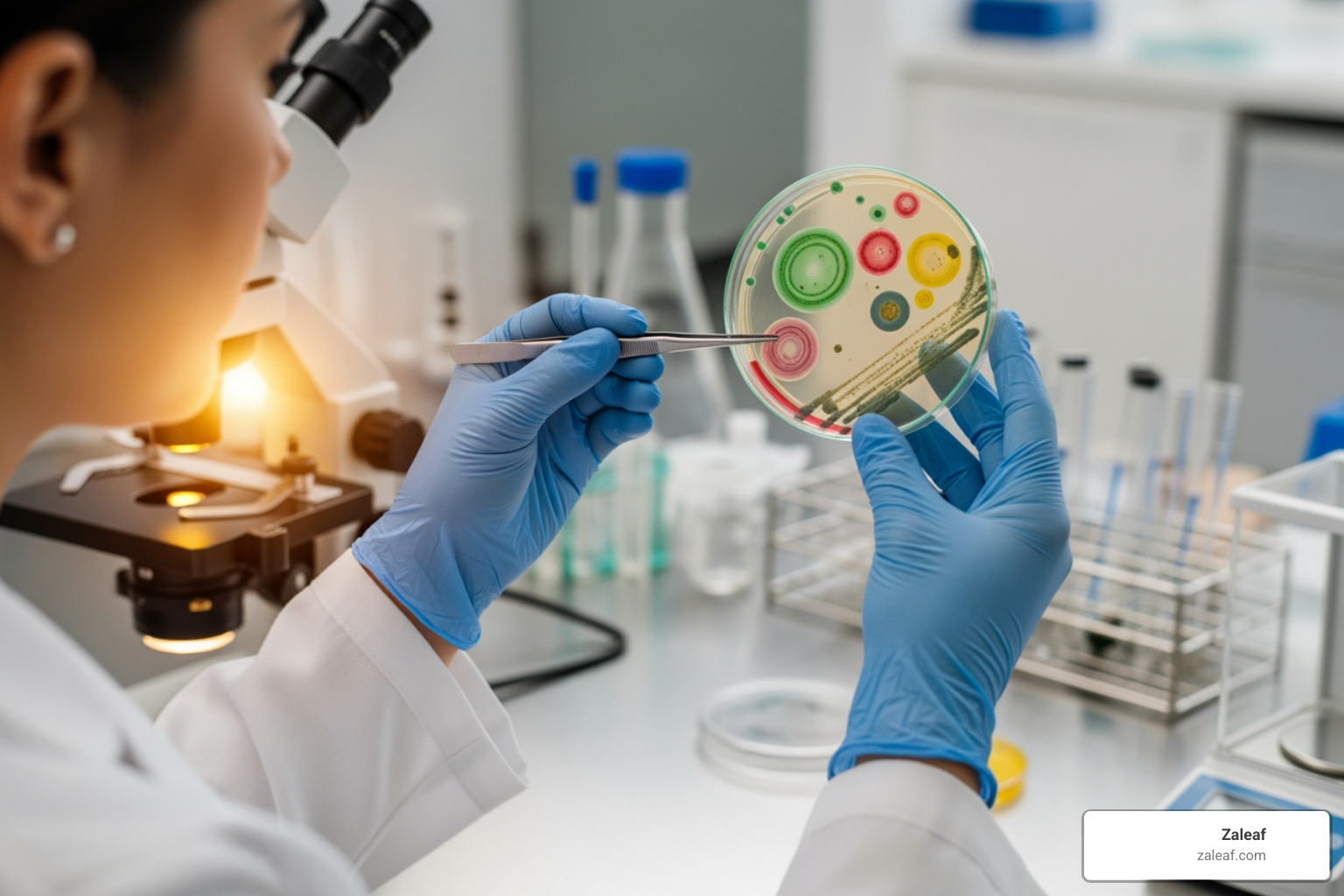
- Microbial Impurities: Unwanted mold, yeast, and bacteria (like E. coli and Salmonella) can grow on improperly stored plants and cause infections or digestive issues. Our testing ensures products are pristine.
- Mycotoxins: These are toxic compounds produced by mold. Even if the mold is gone, mycotoxins can remain and cause serious health issues like liver damage. Testing for them is a vital safety step.
- Residual Solvents: Solvents like ethanol or butane are used to create extracts. While purged during processing, trace amounts can remain. We test to ensure these are well below safe limits.
- Foreign Materials: This covers any unwanted physical contaminants like dirt, dust, or hair that indicate poor manufacturing practices. Our tests ensure products are clean.
The importance of this contaminant testing cannot be overstated. It's about protecting your health and your right to know exactly what you're putting into your body. That's why every Zaleaf product undergoes comprehensive screening, ensuring it's not only potent and effective but also pure and safe.
Decoding the Certificate of Analysis (COA)
The Certificate of Analysis (COA) is your product's report card—a detailed document from an independent lab summarizing all test results. Providing a clear, accurate COA with every Zaleaf product is a non-negotiable part of our commitment to transparency and your empowerment as a consumer.
To learn more, read Don't Get Vaped: How to Spot Third-Party Tested Full Spectrum Quality.
Key Components of a COA
While COAs can look intimidating, they follow a standard structure:
- Lab Information: Identifies the accredited third-party lab that performed the testing.
- Batch/Lot Number: A unique ID linking your product to the exact tested batch for traceability.
- Sample ID/Product Name: Clearly identifies the product tested.
- Test/Report Date: Shows when tests were performed, ensuring results are recent.
- Cannabinoid Profile: Details the concentrations of major and minor cannabinoids like THC, THCA, CBD, CBDA, CBG, and CBN.
- Terpene Profile: Lists the aromatic compounds (terpenes) that influence flavor and effects, contributing to the "entourage effect."
- Contaminant Results: Reports on the absence of harmful substances like pesticides, heavy metals, microbes, residual solvents, and mycotoxins.
- Pass/Fail Status: For each test, this indicates if the product passed based on regulatory safety limits.
Interpreting Potency and Purity
- Total Active Cannabinoids: To find a product's true potency, labs calculate the total active THC and CBD. This converts the non-active forms (THCA, CBDA) into their active counterparts (THC, CBD) to show the maximum potential effect.
- Minor Cannabinoids (CBG, CBN): Don't overlook these! Even small amounts contribute to the overall effects.
- Terpenes and Effects: The terpene section helps you understand a product's potential effects. For instance, Myrcene is often relaxing, while Limonene can be uplifting.
- Understanding "ND" or "
In the contaminant section, "Not Detected" (ND) or "Below Limit of Quantitation" (
How to Verify a COA's Authenticity
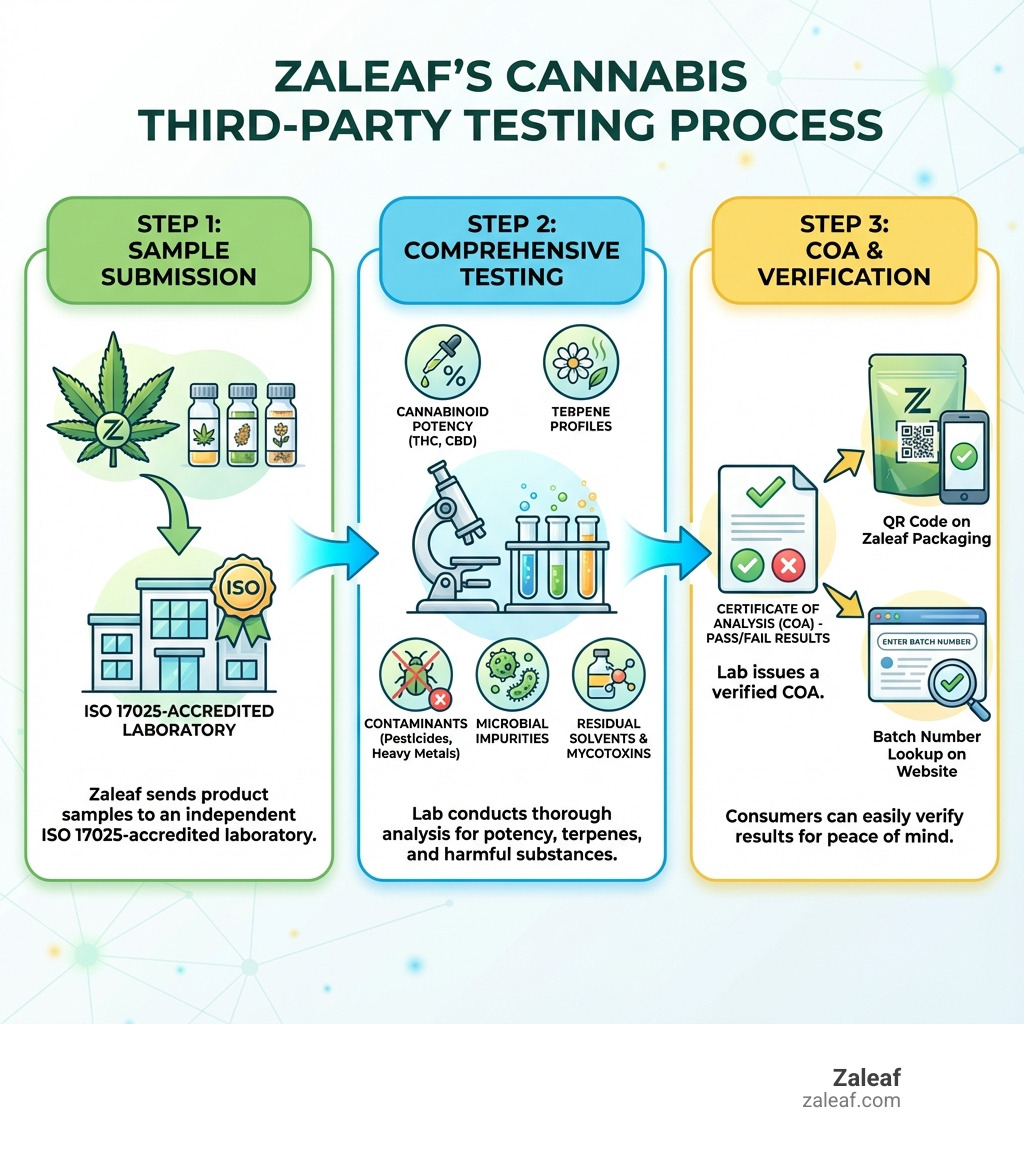
We make it easy to verify your Zaleaf product's COA:
- QR Codes: Scan the QR code on Zaleaf packaging with your smartphone to go directly to the COA.
- Batch Number Lookup: Visit our website and use our lookup tool to enter your product's batch number and find its specific COA.
- Contacting the Lab: For extra assurance, you can contact the independent lab listed on the COA to confirm the report's validity.
- Red Flags: Be wary of any COA with missing information (like lab accreditation or batch numbers), old dates, or signs of being edited.
The Pillars of Trust: Lab Accreditations and Regulations
Trustworthy cannabis third-party testing relies on stringent lab accreditations and regulations. These standards ensure lab competence and reliable data. At Zaleaf, working with accredited labs is how we guarantee the quality and legality of our products.
The Importance of ISO/IEC 17025 Accreditation
The premier international standard for testing labs is ISO/IEC 17025. Accreditation means a lab has demonstrated technical competency, impartiality, and the ability to produce reliable, accurate results. It's the gold standard for quality assurance in analytical testing, providing confidence to consumers and regulators. You can learn more about this crucial standard at Cannabis Testing Laboratory Accreditation. When you see a COA from an ISO-accredited lab for a Zaleaf product, you can trust the science.
Navigating the Patchwork of State and Federal Regulations
The regulatory landscape for cannabis testing is not uniform across the U.S. This "patchwork" approach creates different requirements depending on the state and product type.
- State-Regulated Markets: States with legal cannabis markets, like California, New Jersey, and Michigan, have rigorous and mandatory testing requirements. They mandate that all products be tested for potency and a long list of contaminants by accredited labs before being sold in licensed dispensaries.
- Federal Considerations for Hemp: The federal landscape is less clear. While the 2018 Farm Bill legalized hemp (cannabis with <0.3% Delta-9 THC), it didn't create a comprehensive regulatory framework for testing hemp-derived products. This means third-party testing is often not federally mandated.
This lack of federal oversight is precisely why Zaleaf's commitment to rigorous cannabis third-party testing is so crucial. We voluntarily adhere to the highest testing standards to fill this regulatory gap, ensuring our products are consistently safe, pure, and accurately labeled, regardless of varying state laws.
The Future of Cannabis Analysis
The world of cannabis third-party testing is a rapidly evolving field. Future advancements will further refine our understanding of cannabis, improving consumer safety and experience.
One promising area is chemometrics, which uses advanced statistics to analyze chemical data. This allows for scientific categorization based on a product's precise chemical profile, moving beyond vague terms like "Indica" and "Sativa." This leads to more personalized product recommendations for your desired mood, aligning perfectly with Zaleaf's mission.
Other developing advanced methodologies include:
- Advanced Chromatography (UPC & SFC): These cutting-edge techniques offer faster, more sensitive, and more precise analysis than traditional methods.
- Broader Profile Analysis: Future testing will likely include a wider array of minor cannabinoids and terpenes, providing a more complete picture of a product's potential effects.
- Real-Time Testing: Advancements in portable devices could soon allow for immediate, on-site screening to optimize quality from seed to sale.
At Zaleaf, we are committed to staying at the forefront of cannabis science. We continuously adopt new testing technologies that offer superior accuracy and depth of analysis. Our goal is to help set industry standards, ensuring our products are always at the cutting edge of safety and efficacy. By embracing these trends, we can continue to improve our products for a more customized experience.
Frequently Asked Questions about Cannabis Lab Testing
Here are answers to some common questions about cannabis lab testing:
Where can I find the COA for a Zaleaf product?
We make finding your product's Certificate of Analysis simple:
- QR Codes: Scan the QR code on the product packaging with your smartphone.
- Product Pages: Visit the specific product page on the Zaleaf website.
- Batch Lookup: Use the batch lookup tool on our website and enter the number from your product.
- Customer Service: If you can't find it, our customer service team is happy to help.
What's the difference between a potency test and a full-panel test?
This highlights the different levels of cannabis third-party testing:
- Potency Test: This basic test focuses on the cannabinoid and terpene profile, telling you the product's strength and potential effects.
- Full-Panel Test: This is a comprehensive analysis that includes a potency test plus crucial safety screening for contaminants like pesticides, heavy metals, microbes, residual solvents, and mycotoxins. It provides a complete picture of a product's composition and safety. Zaleaf always conducts full-panel testing to ensure the highest quality.
Is third-party testing required by law?
The legal requirement for testing varies by product and location:
- Regulated State Markets: Yes. In states with legal cannabis programs (like California or Michigan), comprehensive third-party testing is mandatory for products sold in licensed dispensaries.
- Federally Legal Hemp Products: No. For hemp-derived products sold outside of state dispensary systems, federal law does not currently mandate third-party testing. The industry is largely unregulated at the federal level.
This regulatory gap is why Zaleaf's commitment to independent cannabis third-party testing is so vital. We voluntarily adhere to the highest testing standards on all products because you deserve to know what you're consuming is safe, pure, and accurately labeled.
Conclusion: Your Right to Safe and Transparent Cannabis
Knowing what's in your cannabis shouldn't be a mystery. Cannabis third-party testing is the fundamental pillar of consumer safety, quality, and transparency. It empowers you to make informed decisions, ensuring the products you choose are effective and free from harmful contaminants.
The Certificate of Analysis (COA) is your guide to a product's potency and purity. Understanding how to read and verify it equips you to demand the transparency you deserve.
At Zaleaf, our commitment to rigorous cannabis third-party testing is unwavering because it's the right thing to do. Your peace of mind is at the heart of everything we create, from our mood-specific cannabinoid profiles to our fast, discrete shipping. Every Zaleaf product comes with the assurance of independent lab results, because we build trust through proof.
So, the next time you choose a cannabis product, remember to ask for the COA. It's your right to safe and transparent cannabis. For more insights, explore Beyond the Label: Demystifying Third-Party Testing.