

Is Your CBD Vape Pen Safe? A Deep Dive into Health and Wellness

The Truth About CBD Vape Pen Safety: What You Need to Know
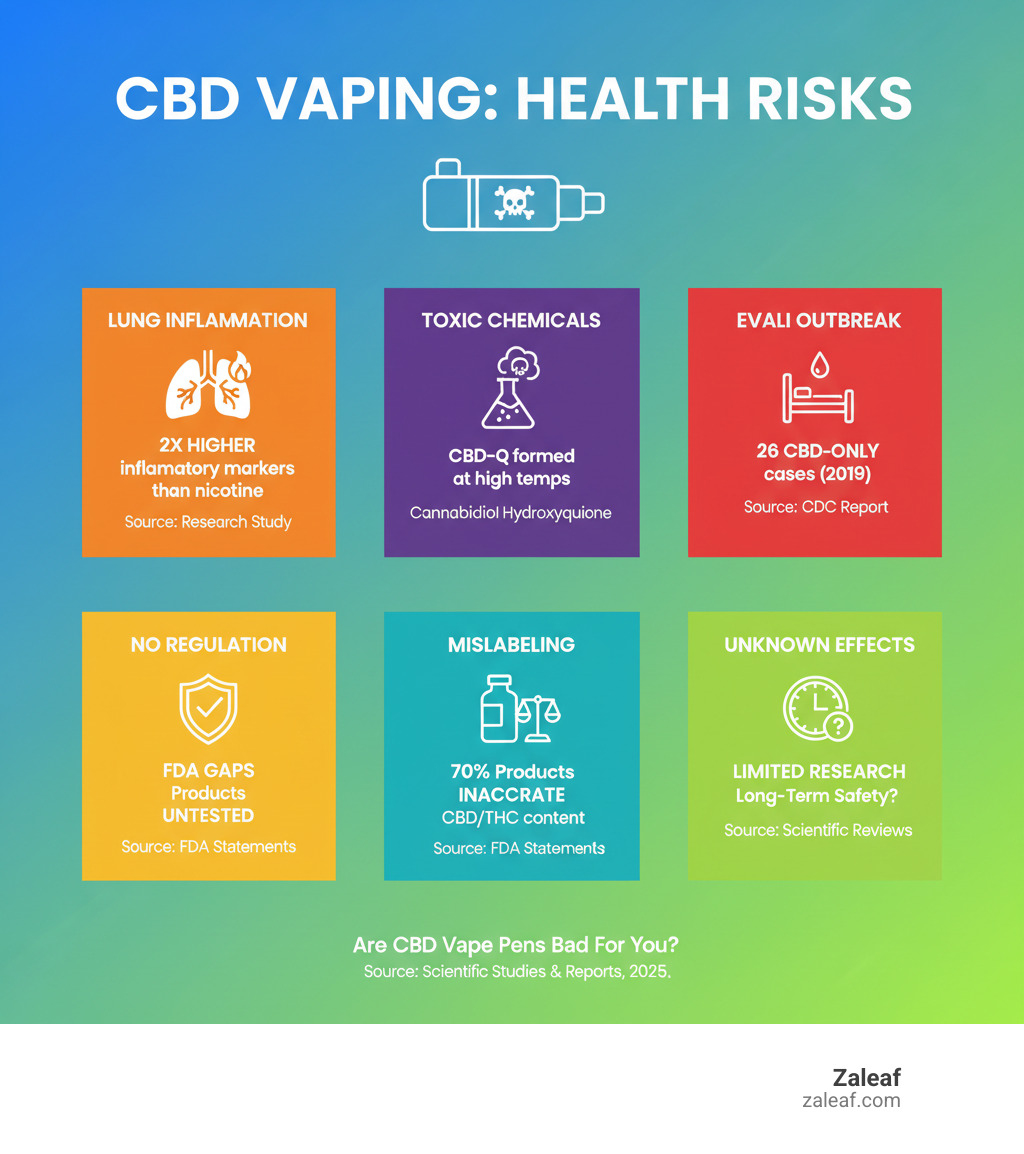
Are cbd vape pens bad for you? The short answer is: they carry significant risks. Recent studies show vaping CBD can cause more severe lung damage than vaping nicotine, while the heat can create toxic chemicals. This is compounded by an unregulated market where up to 70% of products may be mislabeled, sometimes containing harmful additives like vitamin E acetate or undisclosed THC. These risks demand serious consideration.
CBD has surged in popularity, with vaping being a common delivery method for its convenience and fast-acting effects. However, the CDC linked vaping to thousands of lung illnesses and dozens of deaths in 2019, with some cases involving only CBD. This raises urgent questions about what we are inhaling.
As Max Shemesh, Owner & CEO of Zaleaf, I've spent years navigating the cannabinoid industry. My commitment is ensuring consumers have access to accurate, science-backed information about product safety and quality standards.
The Science of Vaping: What Happens When You Inhale CBD?
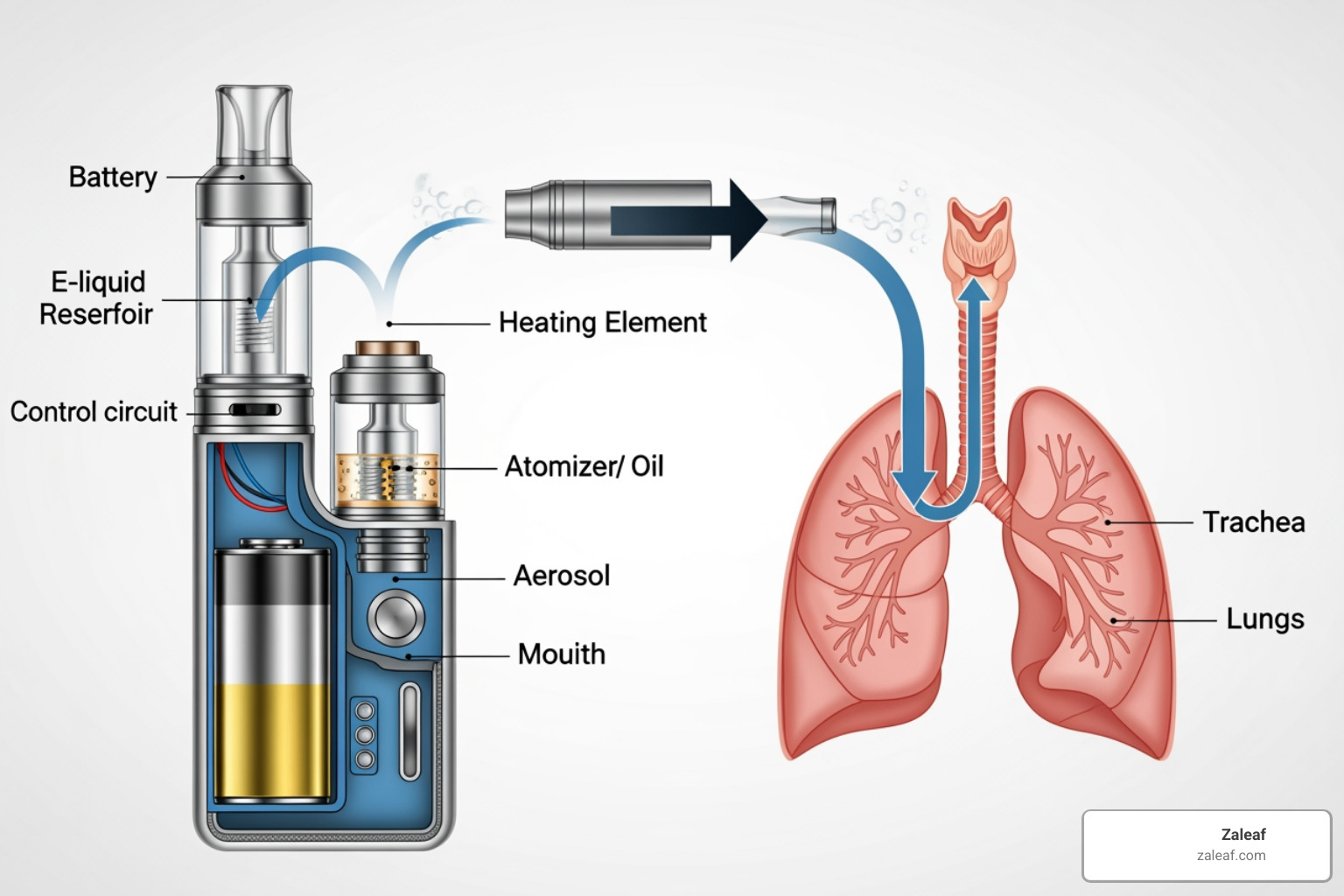
When you vape CBD, you're not inhaling harmless vapor. Vaping heats liquid into an aerosol of fine particles that go deep into your lungs. The heat itself can be dangerous. At typical vaping temperatures, CBD can break down into a toxic compound called cannabidiol hydroxyquinone (CBD-Q). In concentrated CBD oils, this chemical change is more likely, creating a significant risk not present in other consumption methods.
CBD vs. Nicotine: A Surprising Lung Damage Comparison
While many vaping concerns have focused on nicotine, recent research suggests CBD may be more harmful to the lungs. A groundbreaking study from Roswell Park Comprehensive Cancer Center found that vaping CBD triggered a more intense inflammatory response and caused more severe lung damage than vaping nicotine. The Roswell Park study findings showed CBD aerosol led to greater inflammatory changes, higher oxidative stress, and killed essential immune cells at more than double the rate of nicotine aerosols. This scientific research on pulmonary effects indicates that vaping CBD is not a harmless alternative and can be more damaging to lung tissue than nicotine.
The Specter of EVALI: A Vaping-Related Lung Injury
In 2019, an outbreak of e-cigarette and vaping-associated lung injury (EVALI) hospitalized nearly 3,000 people and caused approximately 70 deaths. The CDC investigation traced most cases to vitamin E acetate, an additive used in illicit THC vape products. However, what's crucial for CBD users is that at least 26 cases of EVALI involved people who reported vaping only CBD. This proves that CBD vape products are not exempt from causing serious harm. The EVALI outbreak serves as a harsh reminder that without proper regulation, you are trusting your lungs to unknown sources and potentially inhaling dangerous cutting agents or contaminants.
Are CBD Vape Pens Bad for You? Unpacking the Health Risks
Beyond the direct harm to your lungs, the question of are cbd vape pens bad for you involves a range of other health risks. Because vaping delivers substances directly to your bloodstream, the effects can be systemic. The long-term consequences of chronic CBD inhalation are still largely unknown, which should give consumers pause when safer alternatives exist. For more on CBD's potential benefits through safer methods, see our guide on CBD oil's potential health advantages.
Beyond the Lungs: Other Potential Side Effects of Vaping CBD
CBD is not without side effects, which can be amplified by the rapid absorption of vaping. According to SAMHSA information on CBD harms, potential side effects include:
- Drowsiness and Fatigue: Significant enough to impair driving or operating machinery.
- Liver Concerns: CBD has been associated with liver injury, particularly at higher doses.
- Drug Interactions: CBD can interfere with many common prescription medications, altering their effectiveness.
- Gastrointestinal Issues: Users report diarrhea, nausea, and stomach upset.
- Mood Changes: Some experience irritability or agitation, the opposite of the intended calming effect.
What's in Your Vape? The Danger of Additives and Contaminants
The contents of a vape cartridge are often a mystery cocktail of chemicals. Common additives and contaminants include:
- Thinning Agents: Propylene glycol (PG) and vegetable glycerin (VG) can produce formaldehyde when heated.
- Flavoring Chemicals: Some flavorings, like diacetyl, are linked to severe lung disease ("popcorn lung").
- Heavy Metals: The heating coil can degrade and release toxic metals like nickel and lead into the aerosol.
- Pesticides: Residues from the hemp plant can end up in the final product if not properly filtered.
- Synthetic Cannabinoids: Some products marketed as CBD have been found to contain dangerous synthetic marijuana.
The lack of regulation means you often have no idea what you're truly inhaling. For more on this, see The Ultimate Guide to Cannabis Vape Carts, from THC to CBD.
The Wild West of CBD: Regulation, Mislabelling, and Consumer Safety
The CBD market operates like the Wild West, with a profound lack of regulation that directly impacts consumer safety. The FDA has not established guidelines for CBD vaping products, creating a regulatory vacuum. This means sellers can sell products with minimal accountability for their contents, purity, or health claims. This lack of quality control can lead to harmful contaminants and undisclosed THC, which can cause unintended intoxication or failed drug tests.
How mislabeling affects the risks when you ask "are cbd vape pens bad for you"
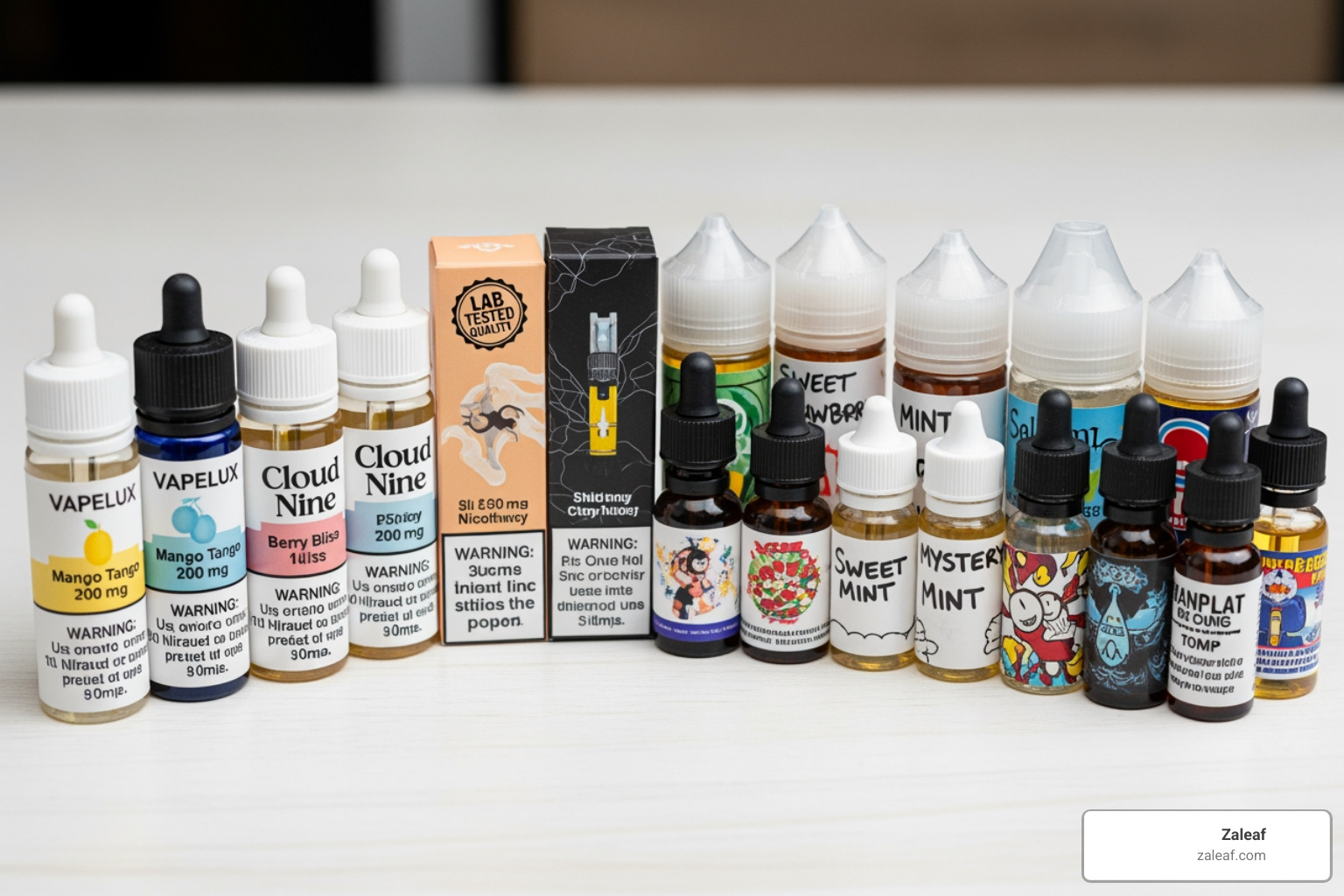
The mislabeling of CBD products is rampant. Research shows that up to 70% of CBD products sold online are mislabeled. A JAMA study found only 31% of tested products were accurately labeled for CBD content. Worse, an Associated Press investigation found that some vape products contained no CBD at all. The presence of unlabeled THC is also a major issue, with one study finding over 21% of extracts containing THC that could cause a high. Most alarmingly, some tested vapes contained synthetic marijuana, a dangerous substance with severe health risks. This pervasive dishonesty means consumers are gambling with their health. For more, see the FDA consumer update on CBD products and our guide on The Safe & Legal Vape: Navigating Regulations and Quality.
Risks for Specific Groups: Adolescents and Service Members
The risks of CBD vaping are not equal for everyone.
- Adolescents: With brains still developing, teens are vulnerable to the potential long-term cognitive and mental health effects of cannabinoids and vape chemicals.
- Military Service Members: CBD use is strictly prohibited. Due to rampant mislabeling, using a CBD vape pen could lead to a positive THC test and career-ending disciplinary action, including discharge. See information on risks for Service members for more details.
Safer Ways to Enjoy CBD's Benefits
After learning about the risks of vaping, it's natural to seek safer ways to enjoy CBD's potential benefits, which we explore in Unlocking Wellness: The Top CBD Benefits Explained. While vaping is fast-acting, other methods provide a more controlled and predictable experience without compromising your lung health. The best method for you depends on factors like how quickly you want to feel effects (onset time) and how long you want them to last (duration).
| Method | Onset Time | Duration | Bioavailability | Safety Profile |
|---|---|---|---|---|
| Vaping | 5-15 minutes | 2-4 hours | 34-56% | High risk: lung inflammation, toxic byproducts, contaminants |
| Edibles | 30-90 minutes | 6-8 hours | 4-20% | Low risk: passes through digestive system, predictable dosing |
| Tinctures | 15-45 minutes | 4-6 hours | 12-35% | Low risk: sublingual absorption bypasses lungs entirely |
| Topicals | 15-45 minutes | 2-4 hours | Localized | Very low risk: doesn't enter bloodstream, targets specific areas |
Exploring Alternatives: Are there safer ways to take CBD?
Yes, several excellent options avoid the risks of inhalation.
CBD Edibles: Products like CBD gummies and CBD chocolate offer precise, consistent dosing and long-lasting effects (6-8 hours), making them ideal for sustained relief. Explore your options in our guides to finding the right CBD gummies and CBD chocolate.
CBD Tinctures: Taken under the tongue, tinctures absorb quickly (15-45 minutes) without involving the lungs. They offer precise dosage control.
Topical CBD: Creams and balms are applied to the skin for targeted, localized relief of muscle or joint pain without entering the bloodstream.
At Zaleaf, we believe in options that don't compromise your health, which is why our products undergo rigorous third-party testing.
The Science of Vaping: What Happens When You Inhale CBD?
What you inhale from a vape pen is an aerosol made of microscopic droplets and particles, not water vapor. That aerosol can carry CBD along with solvents, flavorings, metals from the heating coil, and any contaminants present in the oil. The high internal temperatures inside a device can drive chemical reactions, including oxidation of CBD into cannabidiol hydroxyquinone (CBD-Q), a reactive compound that raises safety concerns when inhaled.
If you choose to vape despite the risks, lowering exposure is critical: avoid products with cutting agents or flavorings, do not use oils intended for oral use, steer clear of any product with vitamin E acetate, and only use cartridges with recent third-party lab reports tied to a batch/QR code.
CBD vs. Nicotine: A Surprising Lung Damage Comparison
While nicotine e-liquids have known risks, emerging evidence suggests CBD aerosols may provoke stronger lung inflammation. Findings from Roswell Park Comprehensive Cancer Center indicated that, under experimental conditions, CBD aerosols produced more intense inflammatory responses and tissue injury than nicotine aerosols. See the scientific research on pulmonary effects and the summary of the Roswell Park study findings.
The Specter of EVALI: A Vaping-Related Lung Injury
During the 2019 EVALI outbreak, most cases were linked to vitamin E acetate in illicit THC products, but at least 26 patients reported vaping only CBD. In an unregulated market, cutting agents and contaminants can appear in any type of cartridge. This underscores why rigorous sourcing and independent testing matter when inhalation is involved.
Are CBD Vape Pens Bad for You? Unpacking the Health Risks
Vaping delivers compounds rapidly to the bloodstream and deep into the lungs, bypassing many of the body’s natural filters. While CBD itself is being studied for potential benefits, the inhalation route adds distinct risks and unknowns compared to oral or topical use. For a safer overview of non-inhaled options, see our guide to CBD oil's potential health advantages.
Beyond the Lungs: Other Potential Side Effects of Vaping CBD
According to the SAMHSA information on CBD harms, reported effects include:
- Drowsiness or fatigue that can impair attention and driving.
- Liver-related concerns, including liftd enzymes at some doses.
- Drug–drug interactions via CYP450 pathways (for example, with anticoagulants or certain antidepressants).
- Gastrointestinal upset such as diarrhea or nausea.
- Mood or appetite changes in some users.
What's in Your Vape? The Danger of Additives and Contaminants
Because inhalation magnifies exposure risks, what’s inside the cartridge matters.
- Thinning agents (PG/VG/MCT) can degrade at heat, forming irritants like formaldehyde and other carbonyls, and oil-based diluents have been implicated in lipoid pneumonia.
- Flavoring chemicals (e.g., diacetyl) have been associated with severe lung disease.
- Heavy metals (lead, nickel, chromium) can leach from coils and be carried in the aerosol.
- Residual solvents, pesticides, or microbial contaminants may be present in poorly made products.
- Cutting agents such as vitamin E acetate and mislabeled synthetics have been detected in some vapes.
Transparency is essential. Learn more in The Ultimate Guide to Cannabis Vape Carts, from THC to CBD.
The Wild West of CBD: Regulation, Mislabelling, and Consumer Safety
CBD vape products exist in a regulatory gray zone. The FDA has stated it has not yet determined how to regulate CBD vaping products effectively, which leaves uneven quality controls across the market and increases the chance of contaminants or undisclosed cannabinoids. This makes independent, ISO-accredited third-party testing and verifiable Certificates of Analysis (COAs) essential for any inhalable product.
How mislabeling affects the risks when you ask "are cbd vape pens bad for you"
Mislabeling is widespread enough to materially change risk. Research has repeatedly found label inaccuracies for CBD content, and some products contain compounds not listed on the label. A JAMA analysis reported low overall labeling accuracy for CBD amounts, and an Associated Press investigation highlighted serious discrepancies:
- Eight of 30 tested vapes had no detectable CBD.
- Several products had CBD/THC levels that differed markedly from the label.
- Ten of the 30 vapes contained synthetic marijuana.
For guidance on safer purchasing, see the FDA consumer update on CBD products and our guide to The Safe & Legal Vape: Navigating Regulations and Quality.
Risks for Specific Groups: Adolescents and Service Members
- Adolescents: The developing brain is vulnerable, and exposure to cannabinoids and aerosol constituents raises concerns for cognition and mental health.
- Military Service Members: CBD use is prohibited. Mislabeling (including undeclared THC) can trigger a positive test and severe consequences. See information on risks for Service members.
Safer Ways to Enjoy CBD's Benefits
If rapid onset is not essential, non-inhaled formats can reduce risk while still providing meaningful effects. We cover the potential advantages of non-vape options in Unlocking Wellness: The Top CBD Benefits Explained. Two key considerations when choosing a format are onset time and bioavailability.
| Method | Onset Time | Duration | Bioavailability | Safety Profile |
|---|---|---|---|---|
| Vaping | 5-15 minutes | 2-4 hours | 34-56% | High risk: lung inflammation, toxic chemical formation, contaminants |
| Edibles | 30-90 minutes | 4-8 hours | 4-20% | Lower risk: bypasses lungs, predictable dosing |
| Tinctures | 15-45 minutes | 4-6 hours | 12-35% | Moderate risk: avoids lungs, quality varies |
| Topicals | 15-45 minutes | 2-4 hours (local) | Minimal systemic | Lowest risk: doesn't enter bloodstream, targeted relief |
Exploring Alternatives: Are there safer ways to take CBD?
- CBD Edibles: Gummies and chocolate allow precise, simple dosing with long-lasting effects. Explore options in our guides to CBD gummies and CBD chocolate.
- CBD Tinctures: Sublingual use provides relatively fast onset without involving the lungs and allows fine-tuned dose adjustments.
- CBD Topicals: Applied directly to skin for localized support, with minimal systemic exposure.
At Zaleaf, every product undergoes rigorous third-party testing so you can choose alternatives to vaping with confidence.